
High on the peaks of Stirling Range National Park, known as Koi Kyeunu-ruff to Goreng and Menang Traditional Owners, some of the country’s rarest flora cling to life above the clouds. Victims of a drying and warming climate, these plant species are retreating to cooler mountaintops in Western Australia’s South West. But with Phytophthora dieback an ever-present threat and fires becoming more common, some 34 species are threatened and, of these, 18 are critically endangered and barely clinging to life.
Not that you’d guess it as an uninformed observer. Make the trek to the top of Bluff Knoll at the right time of year and it’s as if you’re climbing through a garden of wildflowers. Some 1500 plant species occur in the national park, around 80 of which are endemic to the area. Whimsical mountain bells (Darwinia sp.) swing daintily in the breeze, a whole suite of grevilleas and hakeas enliven the bushscape, and 138 species of orchids hide in the undergrowth.
But Parks and Wildlife Service Flora Conservation Officer Sarah Barrett knows better. She’s climbed these mountaintops for years and, despite her best efforts, witnessed species by species all but disappear from their heights.
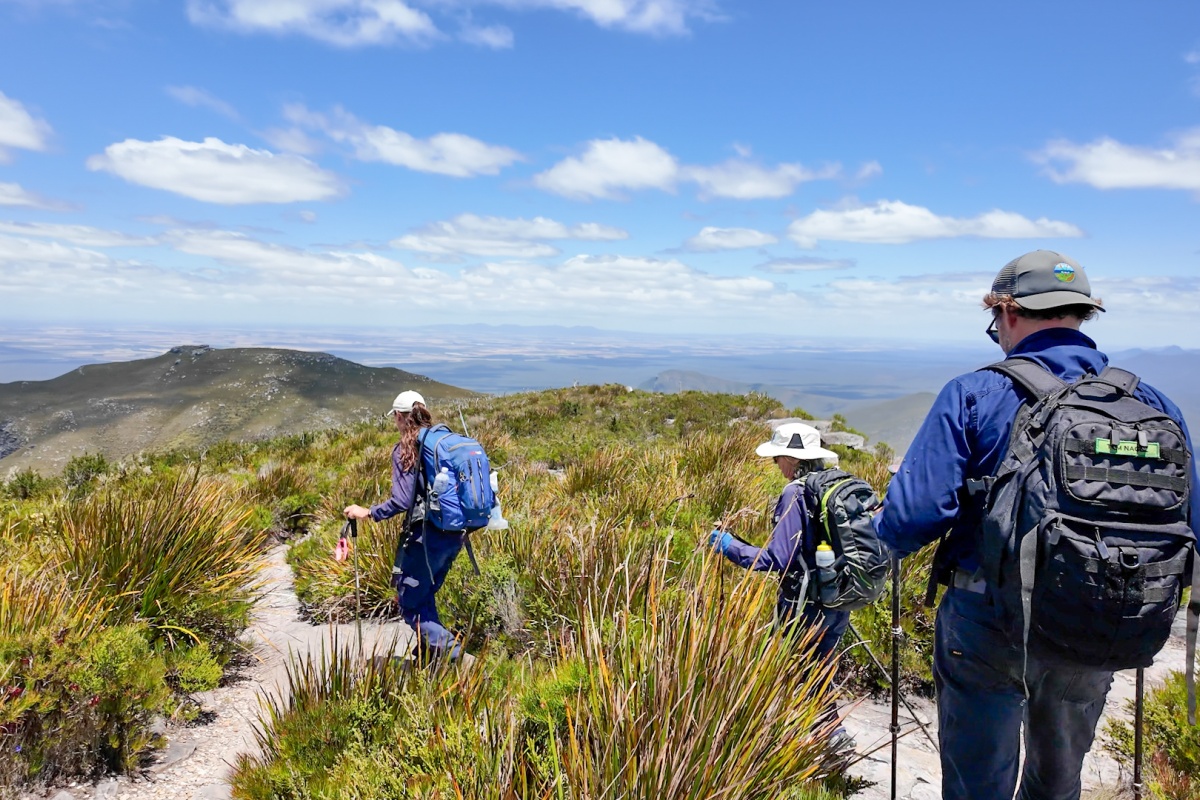
Monitoring threatened flora in the Stirling Range requires gruelling treks to the mountaintops. Photo – Samille Mitchell/DBCA
In the 1960s, Banksia brownii, Banksia solandri and Isopogon latifolius were common sights on the Bluff Knoll upper plateau, the range’s most well-known peak. But since 1994, not a single specimen has been sighted and they are now regarded as locally extinct. Other species, like Banksia montana, common on Bluff Knoll up until the 1980s, faced a similar fate. Before 2018, there were just 37 mature plants left. Their decline was accelerated due to many Proteaceae and Ericaceae species’ high susceptibility to the introduced 'root-rot' water mould, Phytophthora cinnamomi, which had spread across the peaks. By the early 1990s, much of the Stirling Range was already extensively infested.
So when fire ripped through the area in 2018 and again in 2019 (each fire mostly burning different parts of the range), Ms Barrett and her colleagues despaired. Was this the death knell for Banksia montana and some of the other most critical species?
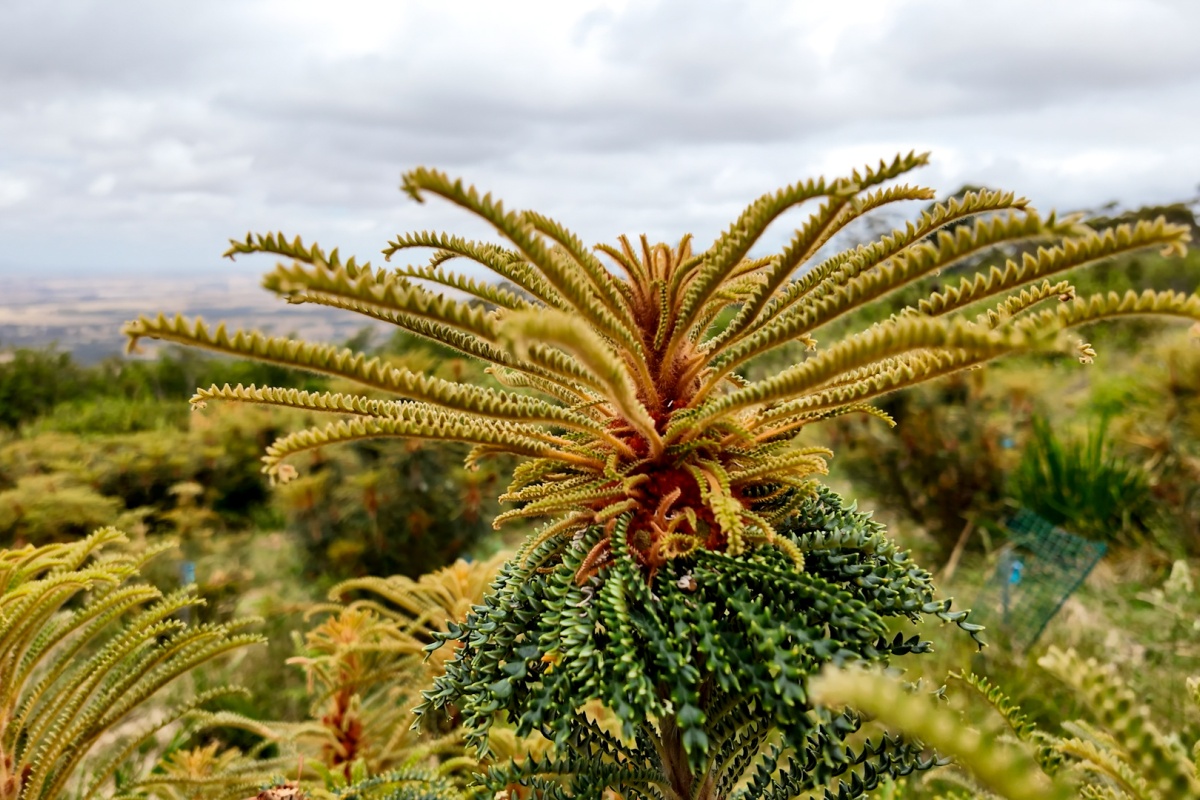
Banksia montana. Photo – Samille Mitchell/DBCA
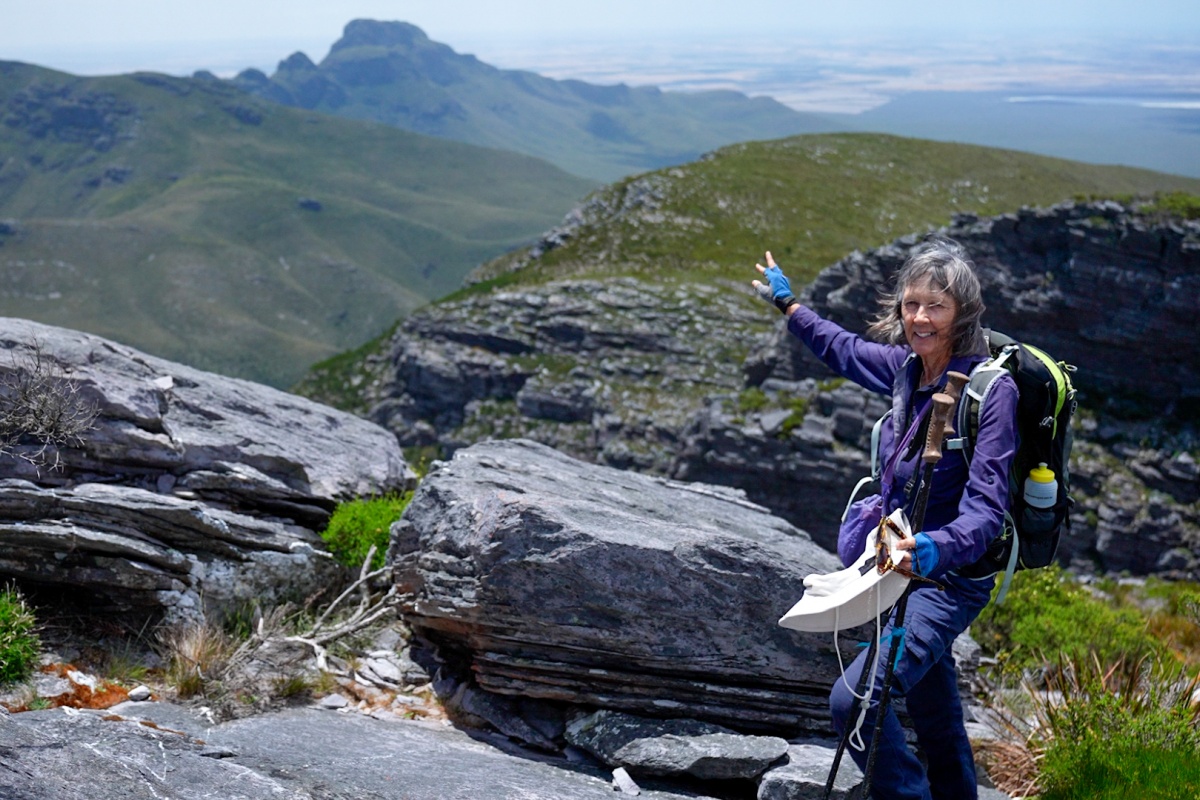
Perhaps no-one knows the flora of the Stirling Range better than DBCA Flora Conservation Officer Sarah Barrett, who has worked to save rare flora here for decades. Photo – Samille Mitchell/DBCA
Fire takes its toll
The fires of 2018 and 2019 swept through virtually the entire eastern range, impacting a Threatened Ecological Community known as Eastern Stirling Range Montane Heath and Thicket and impacting 26 threatened flora species, including 14 critically endangered species. For 10 of these species, no adult plants survived in the wild. Ms Barrett and her colleagues sprang into action.
“After the fire, we started immediately looking for little cotyledons and tiny plants. We literally fenced just about every seedling of Banksia montana that we could find because vertebrates such as quokka or rabbits can eat the little young seedlings. We also sprayed them with phosphite to help them against dieback,” she said.
But they feared this would not be enough. The drying climate made seedlings vulnerable to drought and increased the likelihood of future fires. These threatened species would need more drastic action to survive.
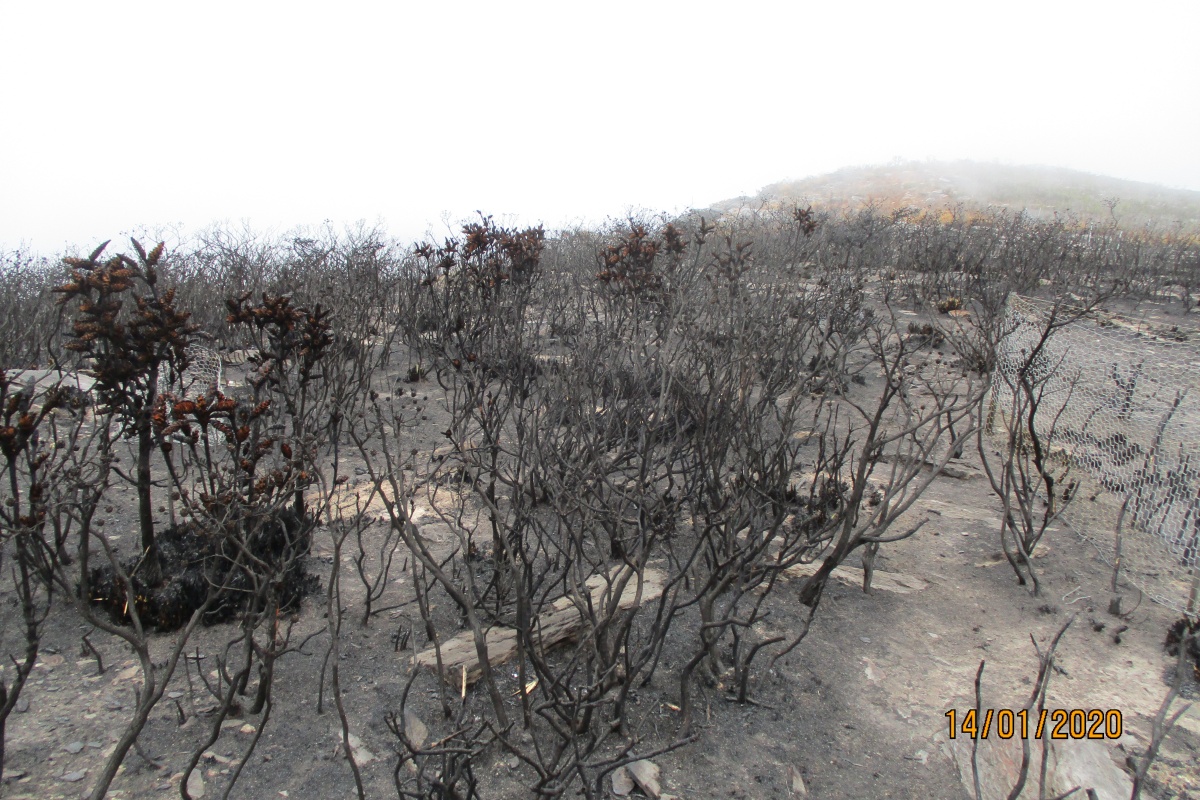
Fire-killed, at-risk flora species in Stirling Range National Park in 2019. Photo – Sarah Barrett/DBCA
Lifeline
Thankfully, seeds from these plant species had already been collected and stored at the WA Seed Centre at DBCA in Kensington. The Seed Centre is designed for exactly this purpose—to act as a Noah’s Ark of plant species should their natural populations suffer in the wild.
Using these seeds, staff were able to germinate seedlings from 14 critically endangered species. With funding, originally from the Commonwealth Government’s Bushfire Wildlife and Habitat Recovery program, and more recently the Saving Native Species program delivered by South Coast Natural Resource Management, they were able to transplant the seedlings into seed production areas at two new and carefully chosen sites—one in Porongurup National Park and another in Redmond State Forest. Both sites are close to the Stirling Range and receive similar rainfall but have less threat from dieback.
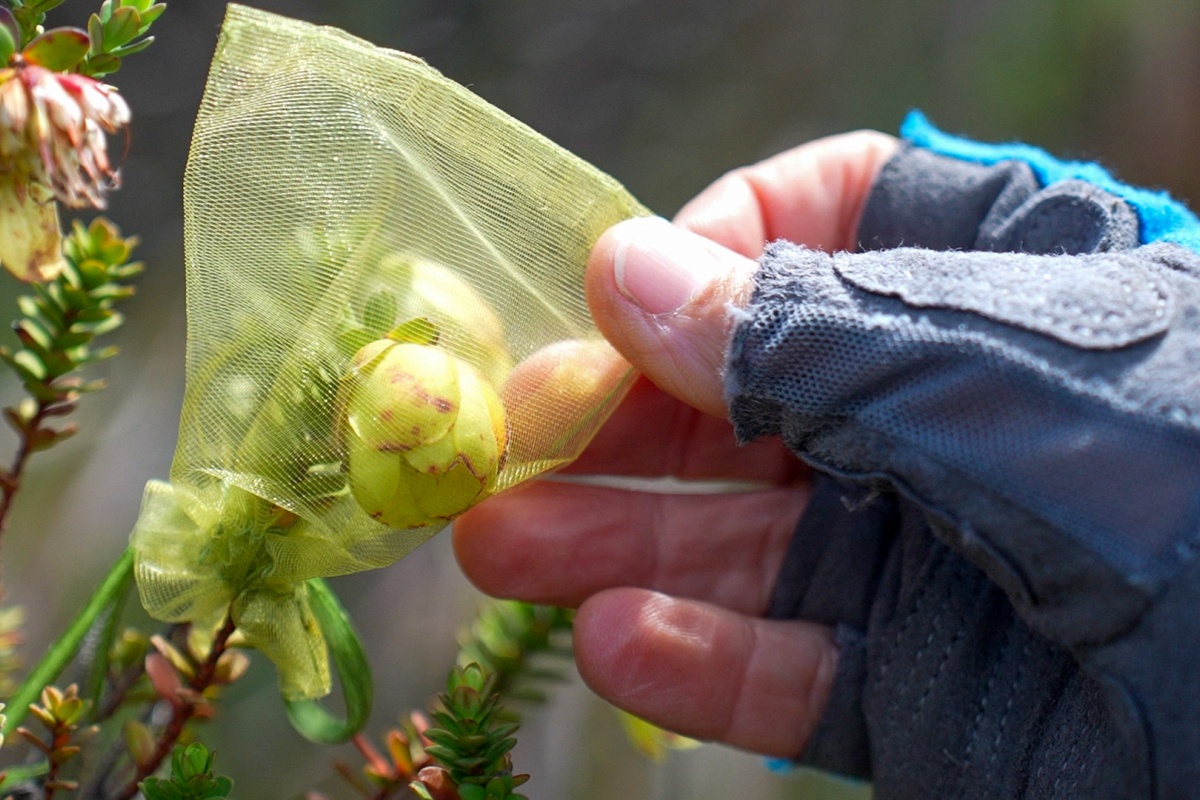
Capturing seeds of the Darwinia collina for future restoration work. Photo – Samille Mitchell
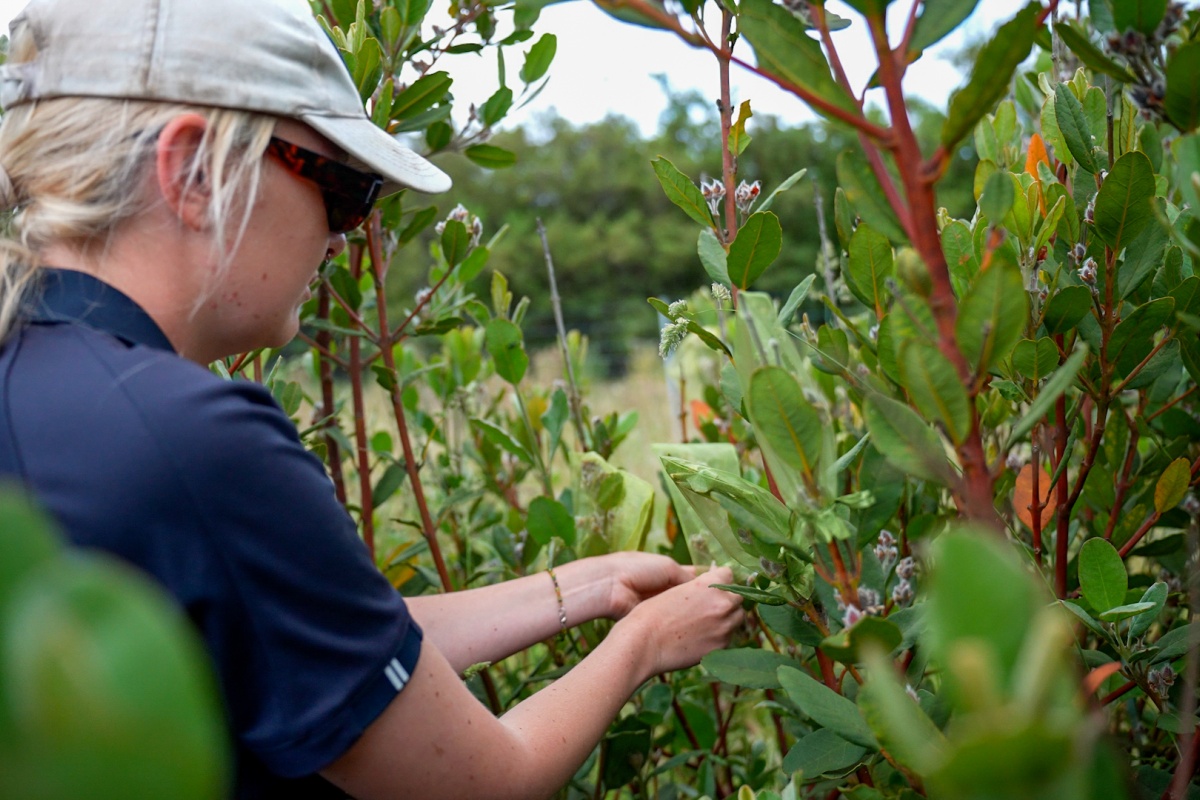
At work in the Porongurup seed production area capturing seeds of threatened flora. Photo – Samille Mitchell/DBCA
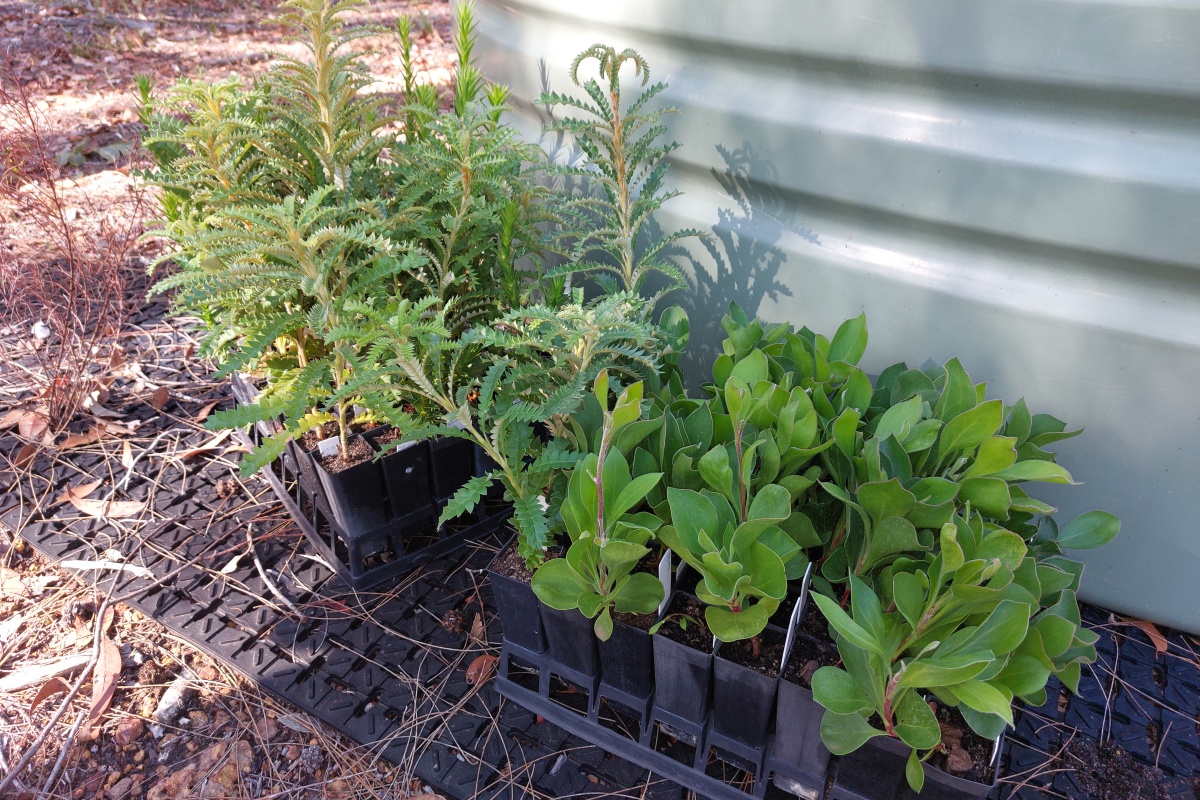
Banksia montana and Persoonia micranthera seedlings ready to be planted. Photo – Bec Dillon
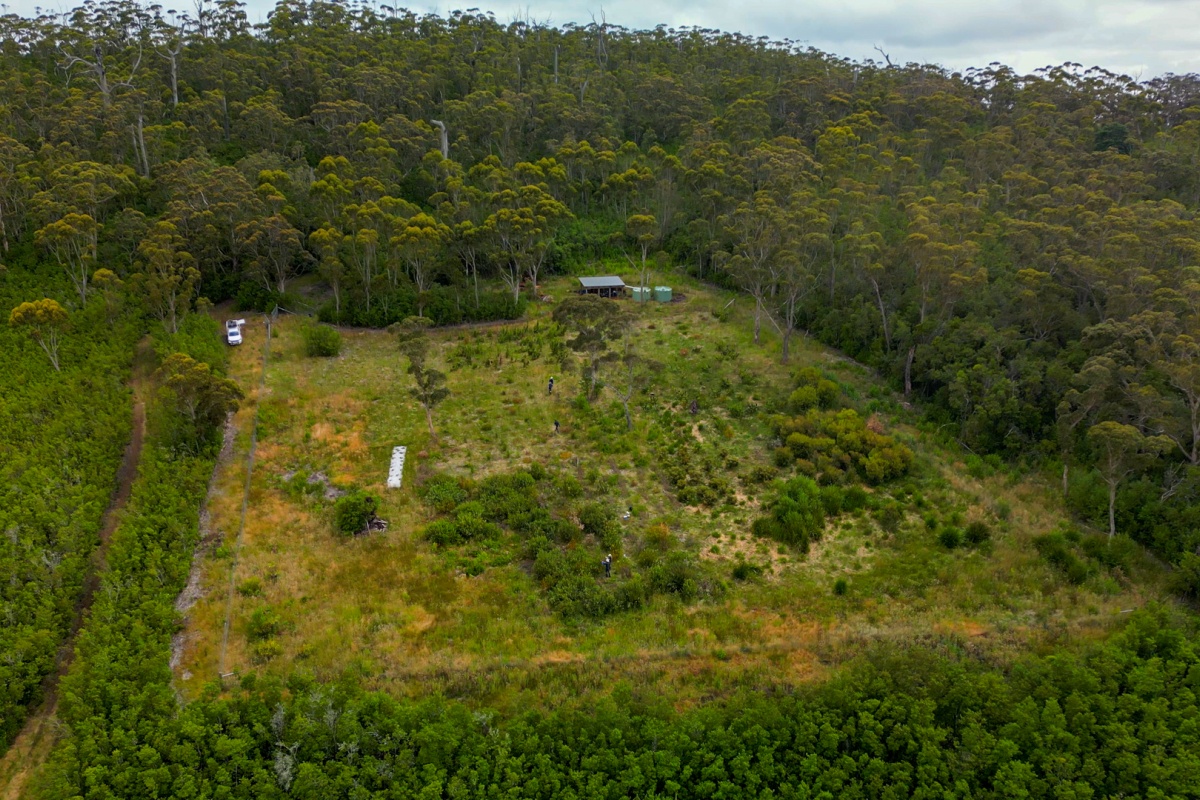
The Porongurup seed production facility is growing threatened species at risk in the nearby Stirling Range National Park. Photo: Samille Mitchell/DBCA
They started translocations in 2021, and the 14 species of plants translocated in stage one of the project are now flourishing. Overseeing the work is Biodiversity and Conservation Science Research Scientist Bec Dillon.
“There are about 1000 plants at each site at the moment,” she said, overlooking the Porongurup seed production area. “It’s going really well. They’ve all taken to the sites. All the conditions they need are here, so the plants are established and most of them are actually flowering and producing fruit already.
“For example, for Banksia montana, we have zero mature plants in the wild because, in the montane environment, they are slow growing and are still in the juvenile stage after the fires. In comparison, here we have approximately 100 mature plants growing at these sites, with this number expected to almost triple in the next year or so.”
Staff and volunteers can now collect seed from mature plants at the seed orchards to use for future recovery efforts.
“Our aim is to collect all the seed they produce and put it into storage at the WA Seed Centre in Kensington, so it’s available as an ex-situ safeguard and also for future recovery efforts,” Ms Dillon said.
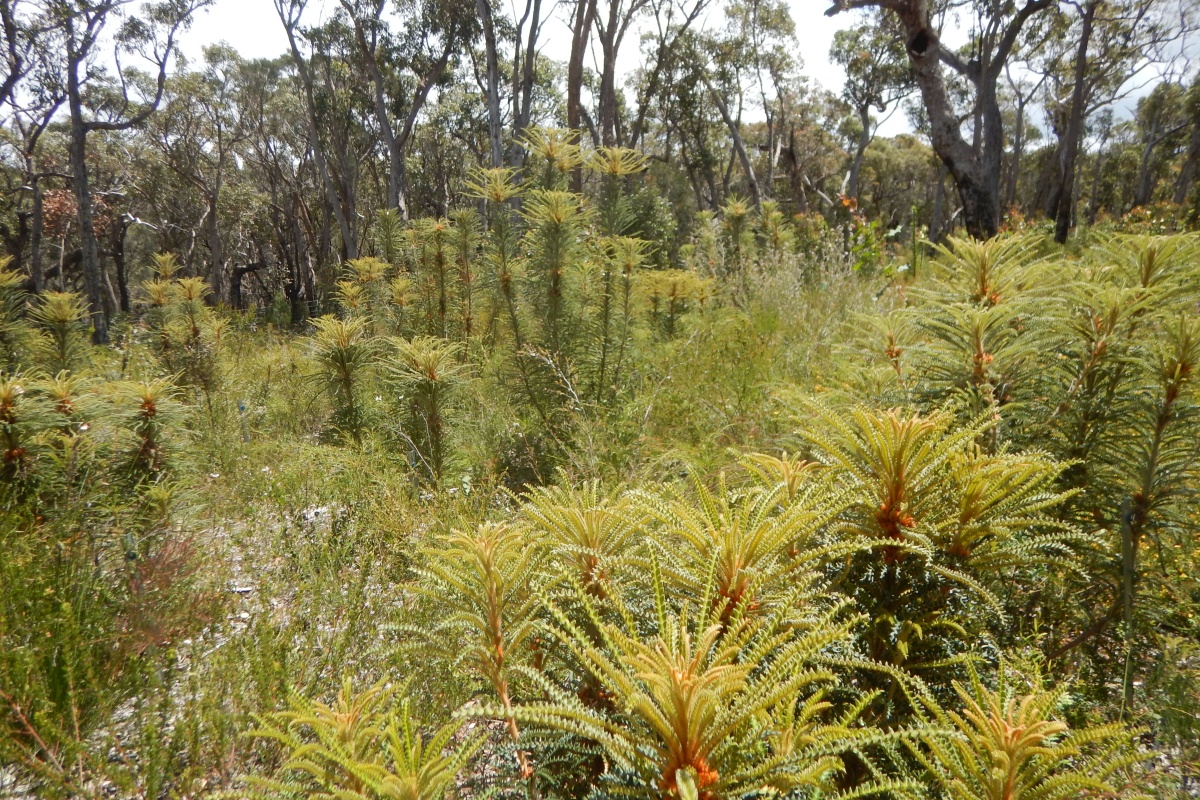
Banksia montana translocated and flourishing in Redmond State Forest. Photo – Bec Dillon
Hope endures
For Ms Barrett and her colleague Meg Dilly, who’ve spent countless hours trekking gruelling kilometres to nurture wild populations in the Stirling Range, seeing the threatened species flourishing in the seed production areas is deeply gratifying.
“It’s really nice to come here and see these plants, which are the same age as the plants on Bluff Knoll now, and here they’re flowering, they’re setting seed, they’re very healthy. So it’s very encouraging,” Ms Barrett said.
“I’ve been involved with Stirling Range species for 30-odd years, so naturally you do get attached to them — particularly species like Banksia montana that are so attractive with such beautiful foliage. It is nice to be involved in growing them, collecting seed and working with a great team of people.”
Ms Dilly agreed. “We are in this amazing, floristically diverse area that is so at risk,” she said. “As hard as it is, and despite how many obstacles we face, we just keep plugging away and doing what we can.”
Even for those not directly involved in the work, the results are reason for hope. Tom Nagle works for South Coast Natural Resource Management, which has delivered funding to support the seed production areas.
“These species are hanging on literally by a thread and it’s amazing to see the work that’s being done here,” Mr Nagle said.
“But without projects like this—developing insurance populations through seed collection, maintaining ex situ populations and keeping an eye on them post-fire—it’s unlikely my kids would ever know of their existence.
“There are really passionate people working here, and it’s just incredible to see these insurance populations, because they’ve got it pretty tough in the wild.”
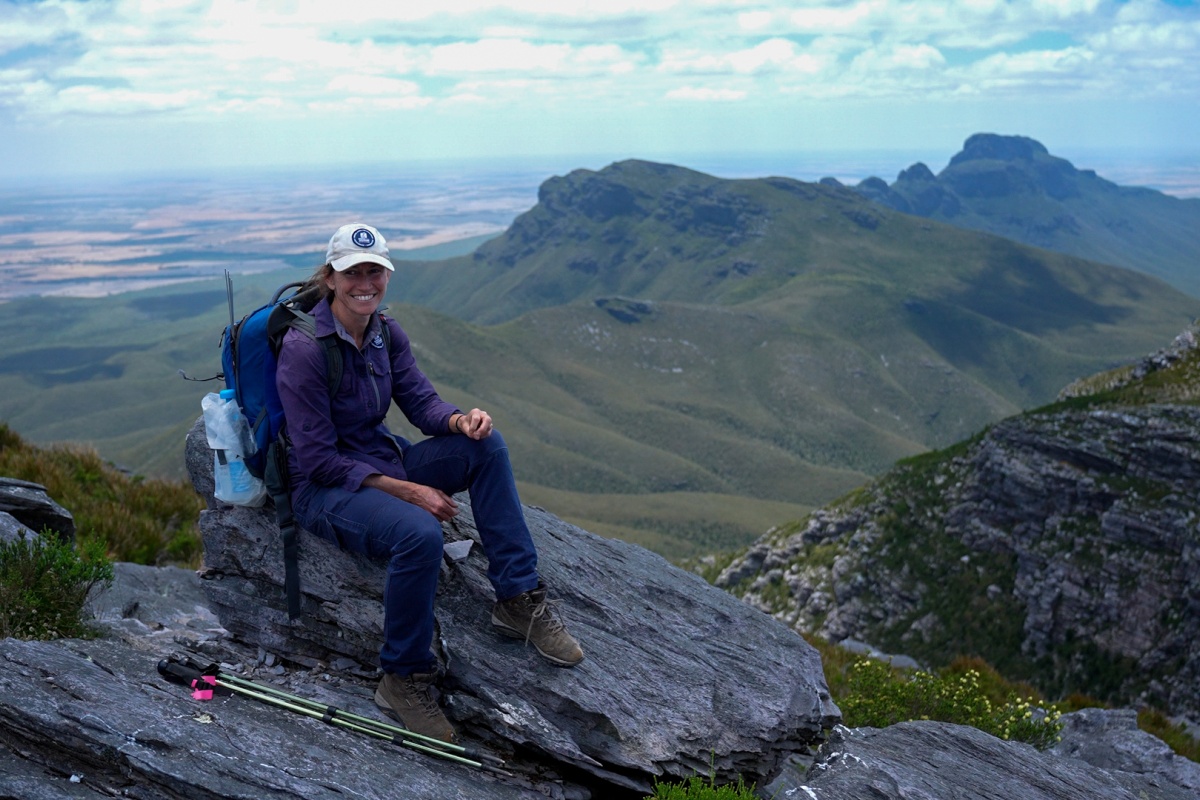
DBCA flora conservation officer Megan Dilly near the peak of Bluff Knoll in Stirling Range National Park. Photo – Samille Mitchell
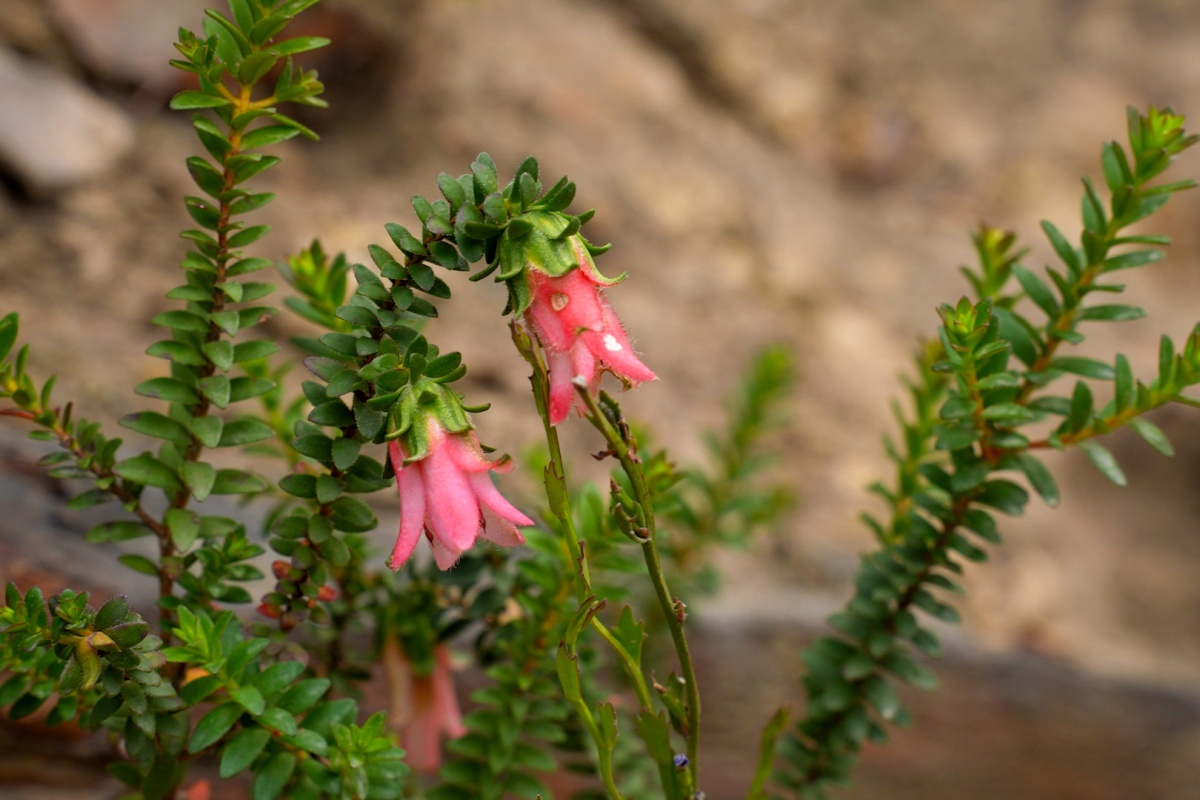
Darwinia squarrosa. Photo – Samille Mitchell/DBCA
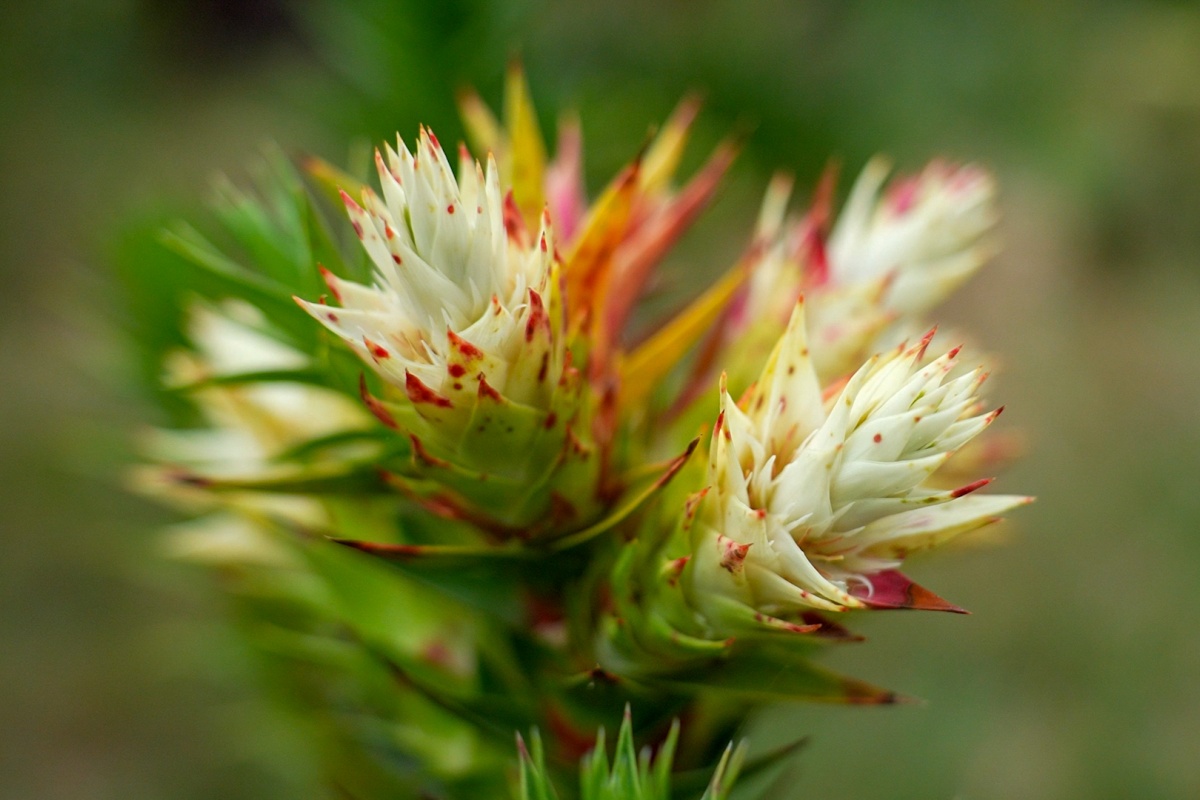
Andersonia axilliflora. Photo – Samille Mitchell/DBCA
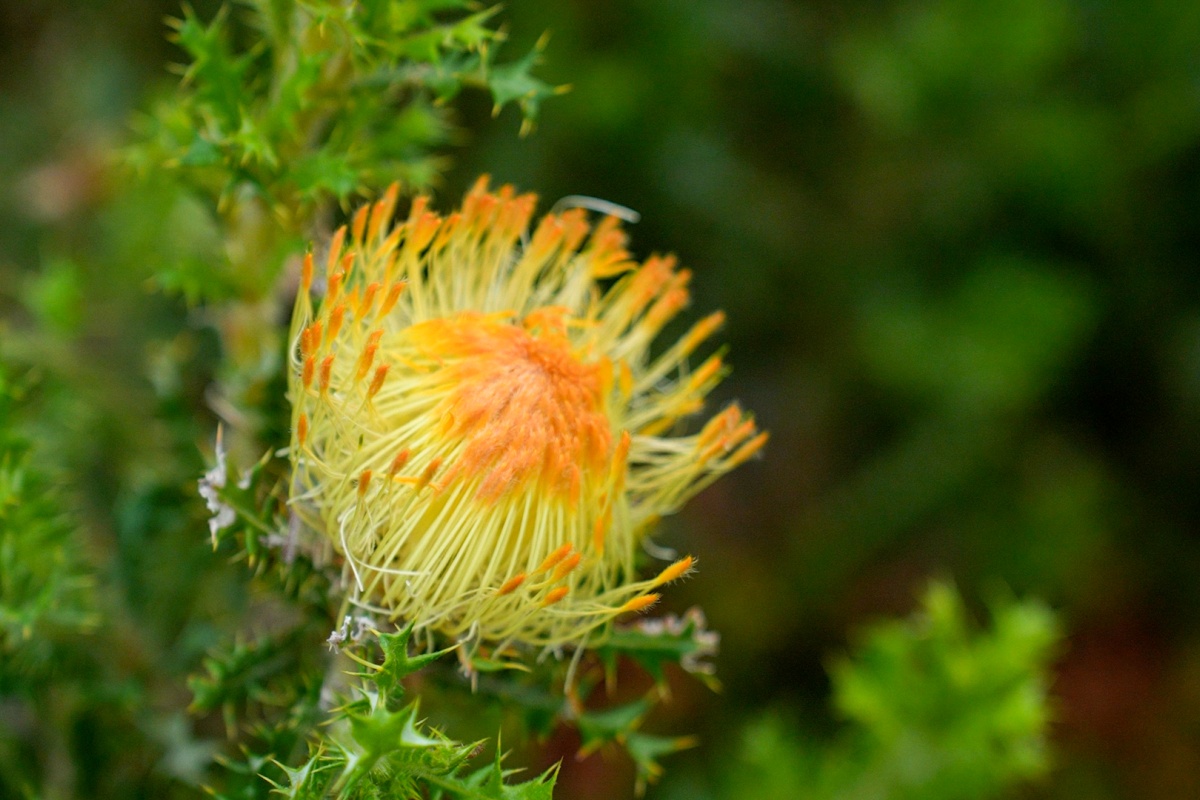
Banksia anatona. Photo – Samille Mitchell/DBCA
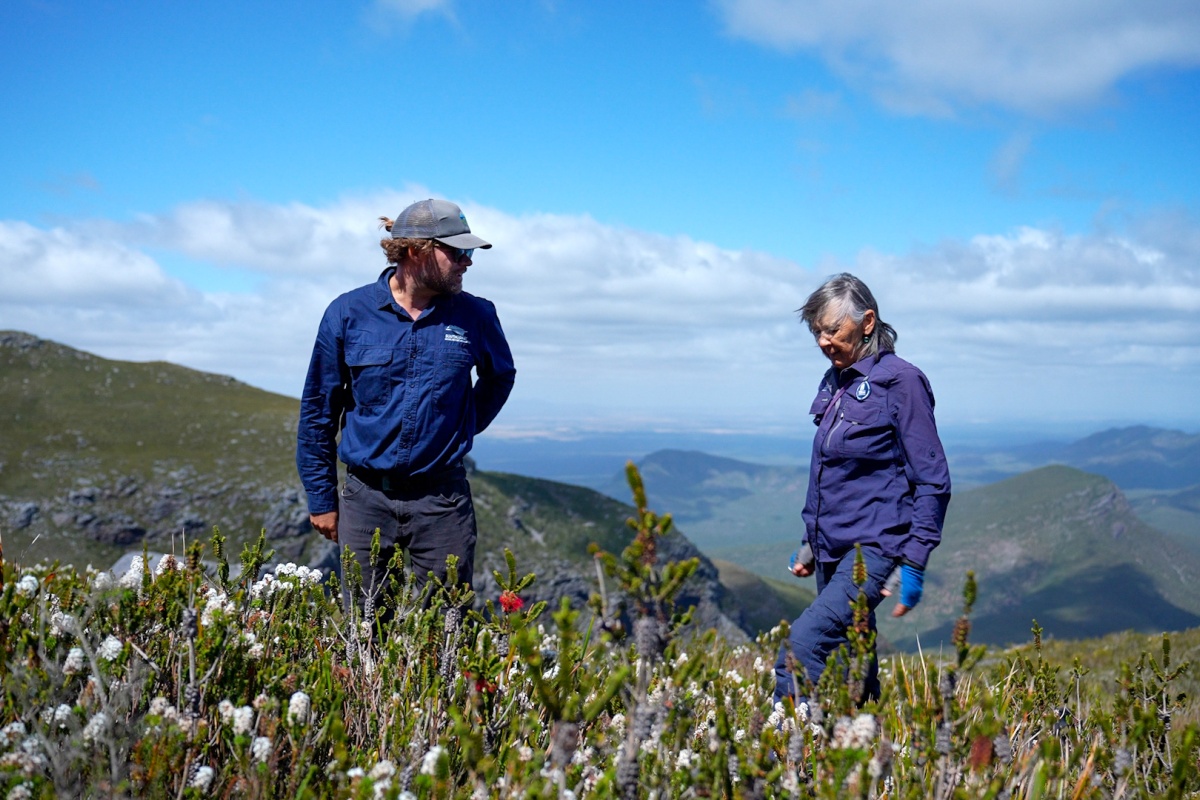
South Coast Natural Resource Management’s Tom Nagle with DBCA Flora Conservation Officer Sarah Barrett inspecting rare flora near the top of Bluff Knoll. Photo – Samille Mitchell/DBCA
This project was funded by the Australian Government Bushfire Wildlife and Habitat Recovery – State Government Emergency Actions, with current funding under the Saving Native Species Program, South Coast NRM, a member of the Regional Delivery Partners panel, in collaboration with DBCA.
Special thanks to Sarah Barrett, Bec Dillon and Megan Dilly for their help with this article.