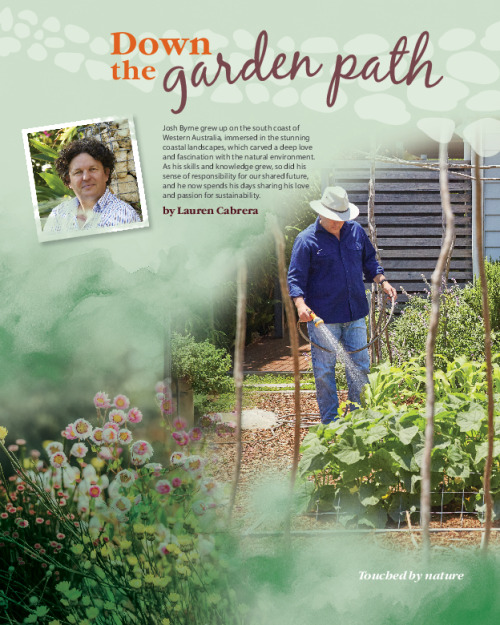
A childhood spent immersed in nature had a deep impact on a young Josh Byrne. Growing up by the magnificent coast and hinterland near Esperance, Josh was fascinated by nature, which developed into a deep respect and a strong desire to take care of the natural environment.
His father was a keen sailor, so many days were spent out on the picturesque waters of the south coast of Western Australia visiting islands and being immersed in the outdoors.
In between childhood and his early teen years, his love for nature developed into an interest in how things grow. After moving to the suburbs of Perth, he was lucky enough to be surrounded by large backyards and has fond memories of helping his father look after their garden and herb collection.
Setting up roots
What is an arguably uncommon pastime for a teenager, Josh would spend much of his spare time in his backyard growing and propagating plants.
“It was part of my list of chores to look after the herbs and I quickly became riveted by the process of watching them grow and keeping them flourishing,” Josh said.
“I started my own vegetable garden at age 14 and after a few years it had taken over the backyard.”
Josh’s father was a keen book collector and Josh pored over the pages of Australian literature about permaculture and gardening, reading the books cover to cover and putting into practice what he’d learned.
All the while, as he learned more and more, he was constantly thinking ‘how can we do things better?’, ‘how can our homes and gardens be less wasteful?’.
His brain was well and truly switched on to the notion of sustainability, which led him to enrol in an Environmental Science course at Murdoch University.
While studying, Josh rented a rundown quarter-acre block in Dalkeith with a wonderful old garden.
“I chose the house because of the garden, and over the next six years I fixed it up and restored the old fruit trees and hen sheds,” Josh said.
“We had chickens, pigeons and quail, as well as frog ponds. Essentially creating our own little ecosystem, all on a student budget.”
“It was self-led apprenticeship in gardening and permaculture, and I started studying short courses in horticulture and permaculture to learn as much as I could.”
Parties would end up back at the house and revelers would be fascinated by the extensive garden and Josh found himself conducting late night garden tours past the bathtub ponds and thriving vegetation.
“The whole place was alive with sounds and smells, and the entire property became a well-managed permaculture project, with native gardens out the front and food growing out the back.
“It was all made out of salvaged materials, but it had a good aesthetic and was very functional. It was a little bit wild but very, very special.”
It was a deep immersion for Josh, and he was fortunate to meet a keen group of researchers at university who were involved in setting up a demonstration site on campus called the Environmental Technology Centre.
The group looked at environmental technology for remote communities, including things like composting toilets, small scale renewable energy systems and sustainable building materials.
“It was an opportunity for someone with a background in gardening and permaculture to look at how it all fits together.
“I found myself with a part-time job while studying and maintaining my home garden.”
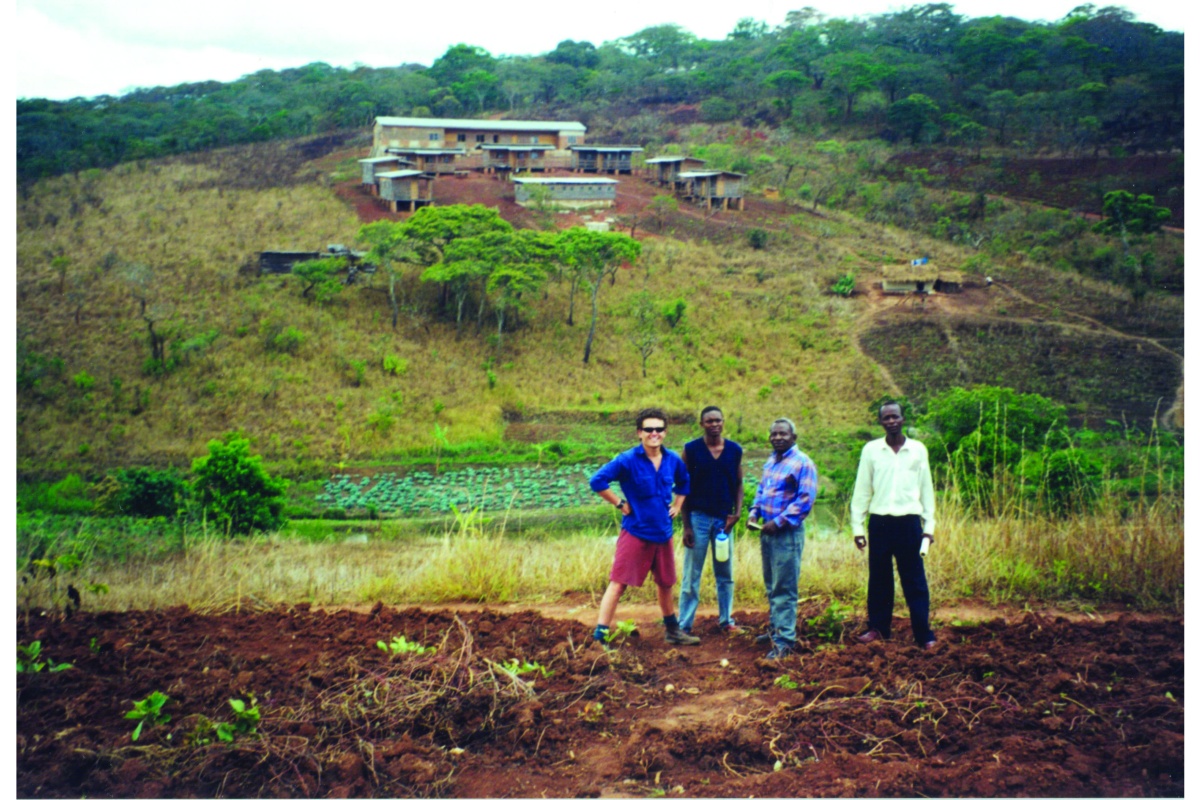
Josh in Malawi
Paving the path
Word soon got out about the group of bachelor students with the amazing permaculture garden. A small article in the local paper turned into the story being picked up by The West Australian newspaper and an interview with Channel 7’s Today Tonight.
“I couldn’t believe I had Monika Koss from Today Tonight in my backyard at one point,” Josh said. “Then Neville Passmore from ABC did a two-part story, which led to a job offer on ABC TV’s Gardening Australia at age 25!”
As excited as he was for a job with the ABC, Josh chose to finish his undergraduate degree and do volunteer work on a permaculture demonstration farm in Malawi. He then went on to a kibbutz in Israel to learn about efficient irrigation and wastewater re-use before he accepted the job while finishing his PhD.
The approach for Josh’s part in Gardening Australia played directly to his strengths. He would set up a series of gardens in rental properties, drawing from his own first-hand experience.
Amongst all this, he always made sure he took time out to spend in nature. Reconnecting with the natural world reminded him why it is so important to protect our natural systems.

Josh with the team from Gardening Australia
Branching out
Josh’s passion only intensified as the years passed, as did his interest in aesthetic landscape design that mixes function and beauty.
“I find a lot of positivity and creativity through gardening and landscaping. It helps balance out the frustrations by creating something beautiful and functional.”
Josh established his own company in 2005 and today provides consulting and design services to commercial, civic and community projects. He takes an integrated approach to landscape architecture and urban design, drawing on all those years of experience and an unwavering desire to create sustainable living spaces.
On a community level, Josh has been running Riverwise Garden workshops since 2016 directly to keen, or often frustrated, gardeners who are trying to do the right thing when it comes to their gardens.
The workshops are run as part of the Department of Biodiversity, Conservation and Attractions’ River Guardians program and are all about helping the community to support the health of the Swan-Canning river system.
“For those who live close to the river, fertiliser runoff can get into stormwater drains and then directly into the Swan- Canning river system,” Josh said.
“For those further from the river, over fertilising on sandy soils can also have an impact, with nutrients leaching past the root zone and into the groundwater, then into waterways.”
“I explain how to improve soil to hold onto nutrients, encourage the use of river-friendly fertilisers and demonstrate ways to be water efficient and improve biodiversity. It’s about taking a balanced approach so you can have the garden you want and still support the health of our waterways.”
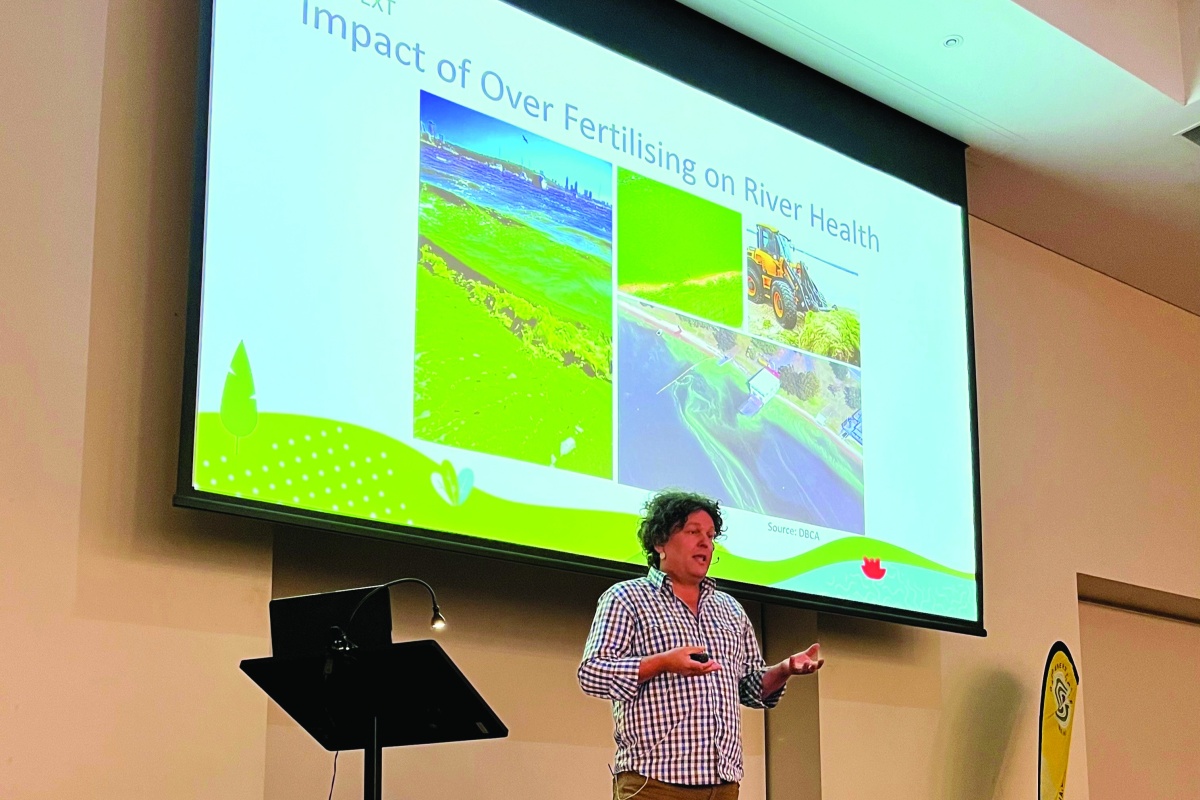
Josh presenting RiverWise workshop. Photo - Jason Menzies/DBCA
Encouraging positive change
The course of Josh’s life is testament to the well-documented notion that a childhood spent immersed in nature and developing a connection to the natural world is deeply impactful on behaviour, health and wellbeing.
“My great love of nature keeps me motivated and constantly seeing the potential for positive change,” Josh said.
Josh finds opportunities for positive change in all aspects of his work—from Gardening Australia to his professorial role at Curtin University as the Dean of Sustainable Futures, to delivering community education programs, and his consulting and design practice.
“The penny has dropped. We don’t need to spend so much time convincing people about the challenges facing the environment and most people want to know what they can do, in their own small way, to help.
“The challenge is to help people connect with what that is, even if it’s as simple as being more mindful of how you fertilise to support a healthy river system. These small things add up and make a real difference.”