
My way was blocked—all I could see in front of me was an impenetrable wall of the tall spiky shrub, Banksia heliantha. After hours of forcing my way through dense thickets of tough, sclerophyllous Proteaceae, mallee eucalypts, and other unyielding vegetation, I was exhausted, and we still had a long way to go. It was late 2025, and just a few hours earlier we had been dropped by helicopter into the remote wilderness of Fitzgerald River National Park on Western Australia’s south coast. Our goal was to reach several populations of threatened flora that we needed to monitor to assess their health and identify any emerging threats. Getting to them, however, was anything but straightforward. With no tracks or roads, we had to battle through vast stretches of dense shrubland between sites.
The Fitzgerald River National Park is the third largest national park in Western Australia at 297,244 hectares, and the largest in the south-west, stretching from near Bremer Bay in the west to close to Hopetoun in the east. While the majority of the park is comprised of a gently undulating plain, it does house a surprising diversity of landscapes, including quartzite peaks and ridges, upland plains, a marine plain of deep sand cut through by deeply incised river valleys, spongelite breakaway communities and limestone ridges and dunes on the coast. In fact, it is one of the most important conservation areas in the world. These conservation values were formally recognised by UNESCO in 1978 when the park and surrounding area were declared the Fitzgerald Biosphere Reserve under the UNESCO Man and the Biosphere Programme. The recognition was due to the biosphere’s relatively pristine state and its high biological diversity, especially of its flora.
We were in the Barren Range—a rugged chain of jagged quartzite hills rising along the coastal side of the park, named by Matthew Flinders as he passed by them at sea because he thought they had a barren appearance. From a distance he could not appreciate the density of the shrublands that covered the mountains, the richness of the flora and the uniqueness of many of the plants.
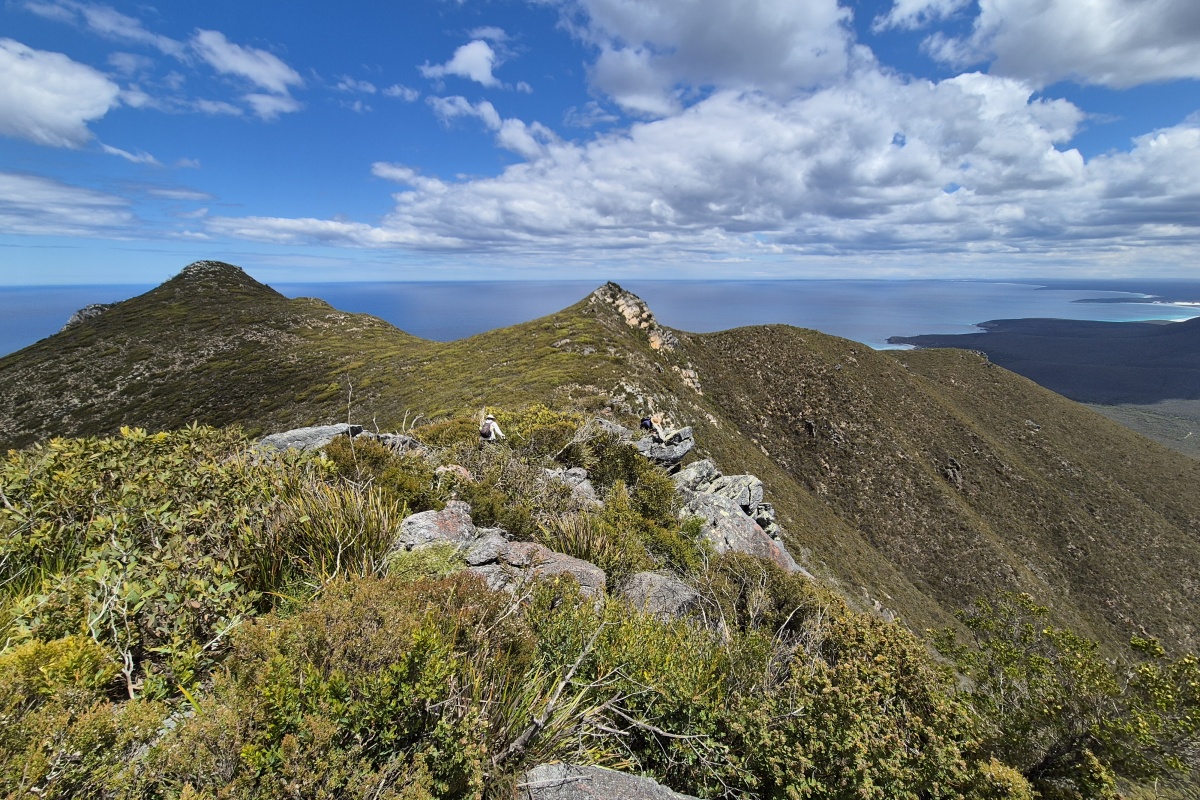
The ranges of the Fitzgerald River National Park. Photo – DBCA/Megan Dilly
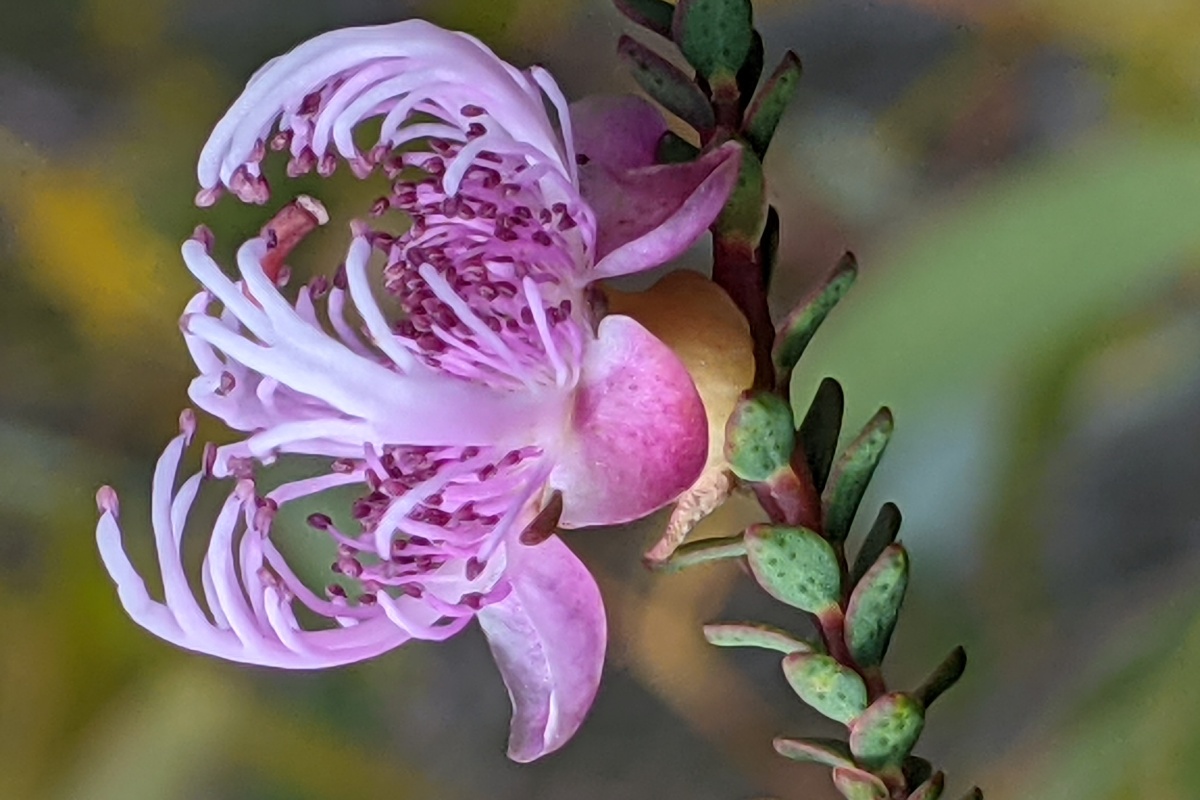
Melaleuca pulchella (Claw Flower), Fitzgerald River National Park. Photo – DBCA Megan Dilly
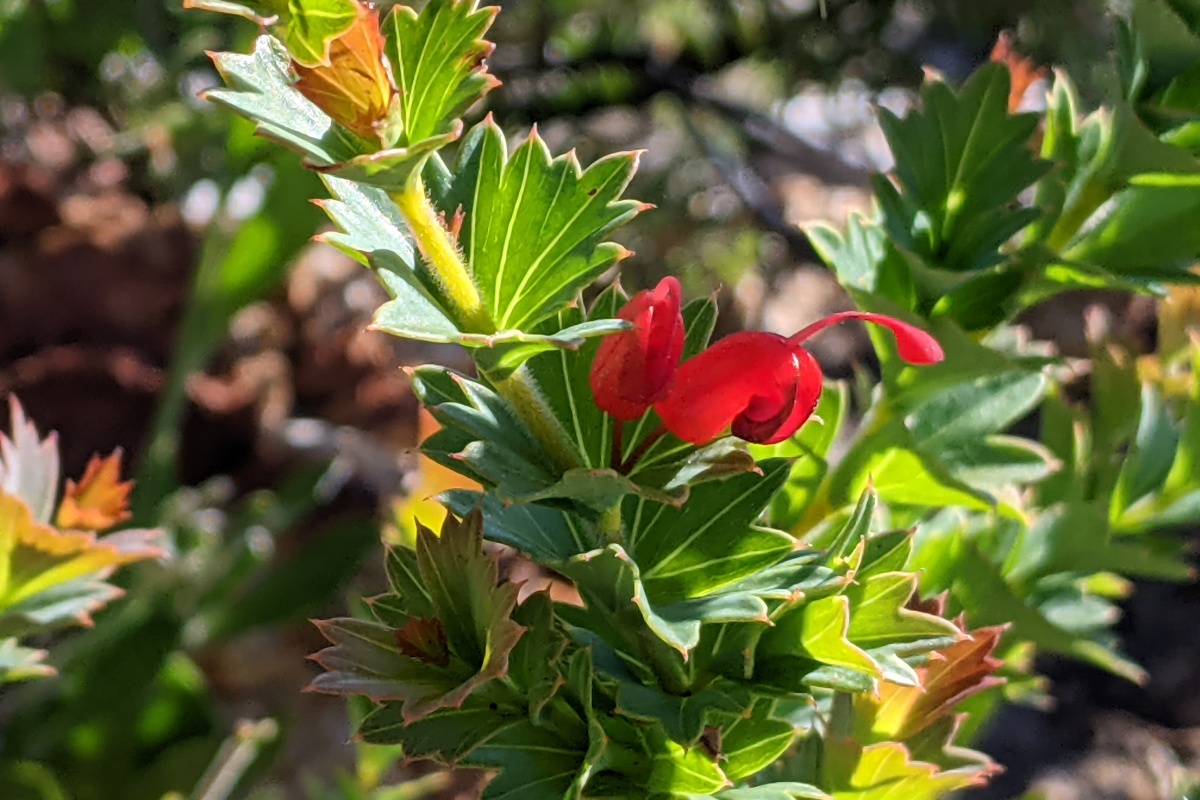
Grevillea infundibularis (Fan-leaved Grevillea). Photo – DBCA Megan Dilly
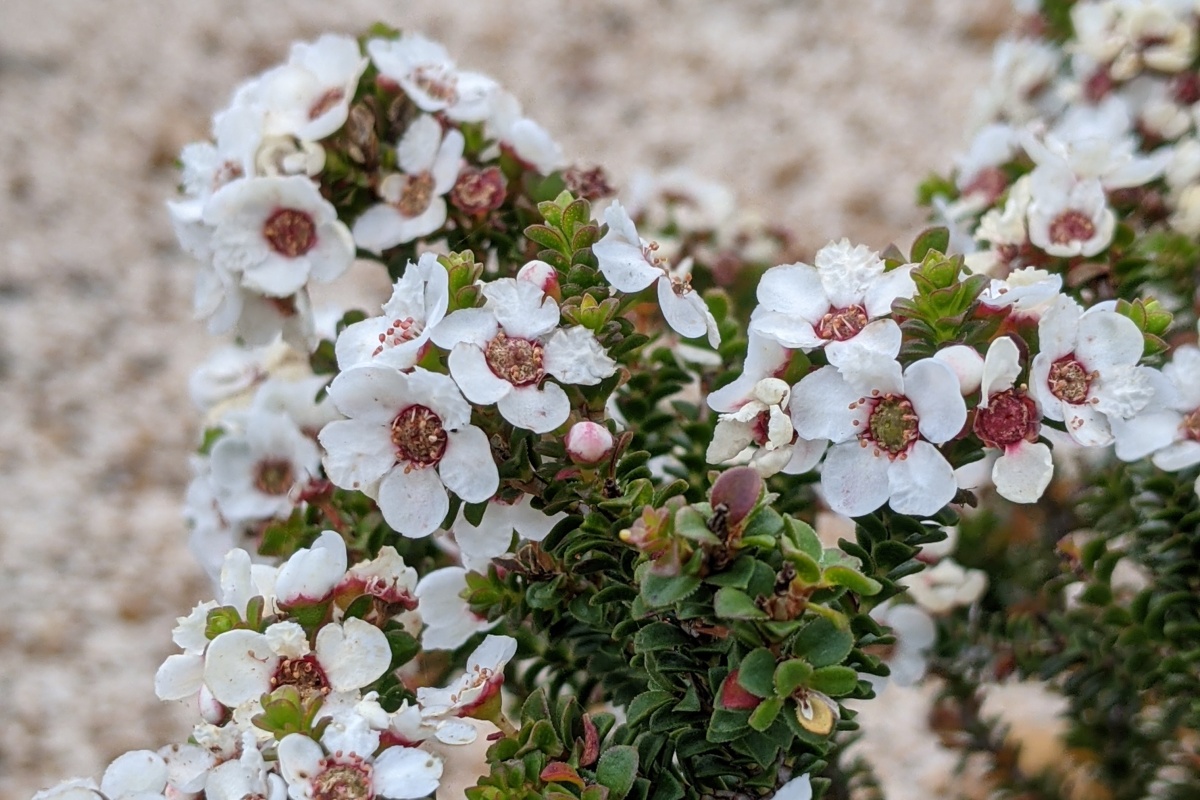
Anticoryne ovalifolia. Photo – DBCA Megan Dilly
A WONDERLAND FOR BIODIVERSITY
The park is renowned for its floristic diversity and includes one of the areas of highest plant diversity within the south-west of Western Australia—an area itself identified as a global biodiversity hotspot. The park contains 1748 recorded flora species, at least 75 of which are endemic, which means they occur nowhere else in the world. Eighteen of these species have been listed as Threatened flora. More than 120 plants are listed as Priority species, meaning they are restricted in their distribution and may also meet the criteria to be listed as Threatened, however there haven’t been sufficient surveys to see how rare or threatened they are. The park is rich in species of the Proteaceae family (Banksia, Hakea including the spectacular Royal Hakea), the Myrtaceae family (such as Eucalyptus and Melaleuca), the Fabaceae family (pea, Acacia) and the Ericaceae family (heath).
There are several reasons for the outstanding species diversity and endemism of this area, including its long geologic and climatic stability, isolation, diversity of habitats and nutrient deficiency of the soils. These factors have led to the persistence of ancient lineages and a high degree of speciation and specialisation in response to edaphic factors (the chemical and physical properties of soils).
One of the fascinating features of the mountain flora of the Fitzgerald River National Park is that some of the species also occur on the mountains of Stirling Range National Park, more than 100 kilometres to the west, but nowhere else. This indicates that the populations of these species were previously connected, possibly once being more widespread in the south coast region. As the climate changed, they were left isolated on disjunct ranges, showing the highly important role the mountains play as refugia for flora species.
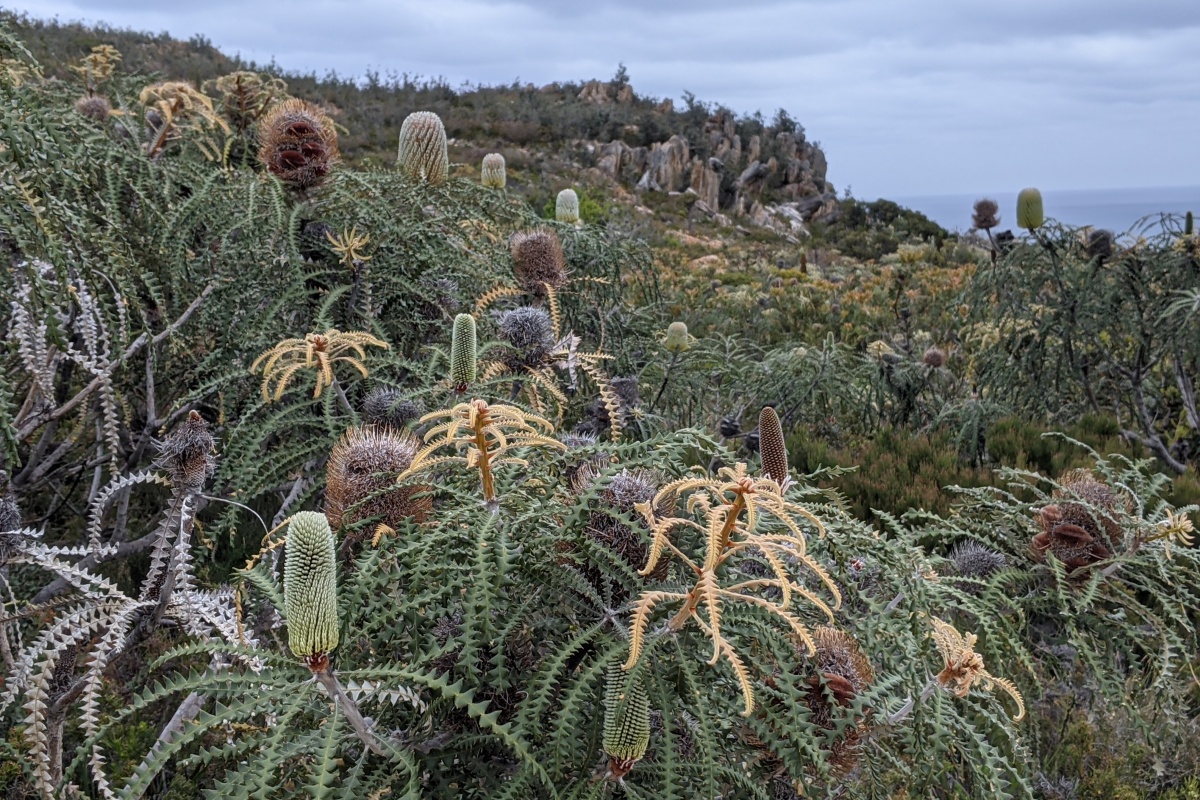
Banksia speciosa, Showy Banksia. Photo – DBCA/Megan Dilly
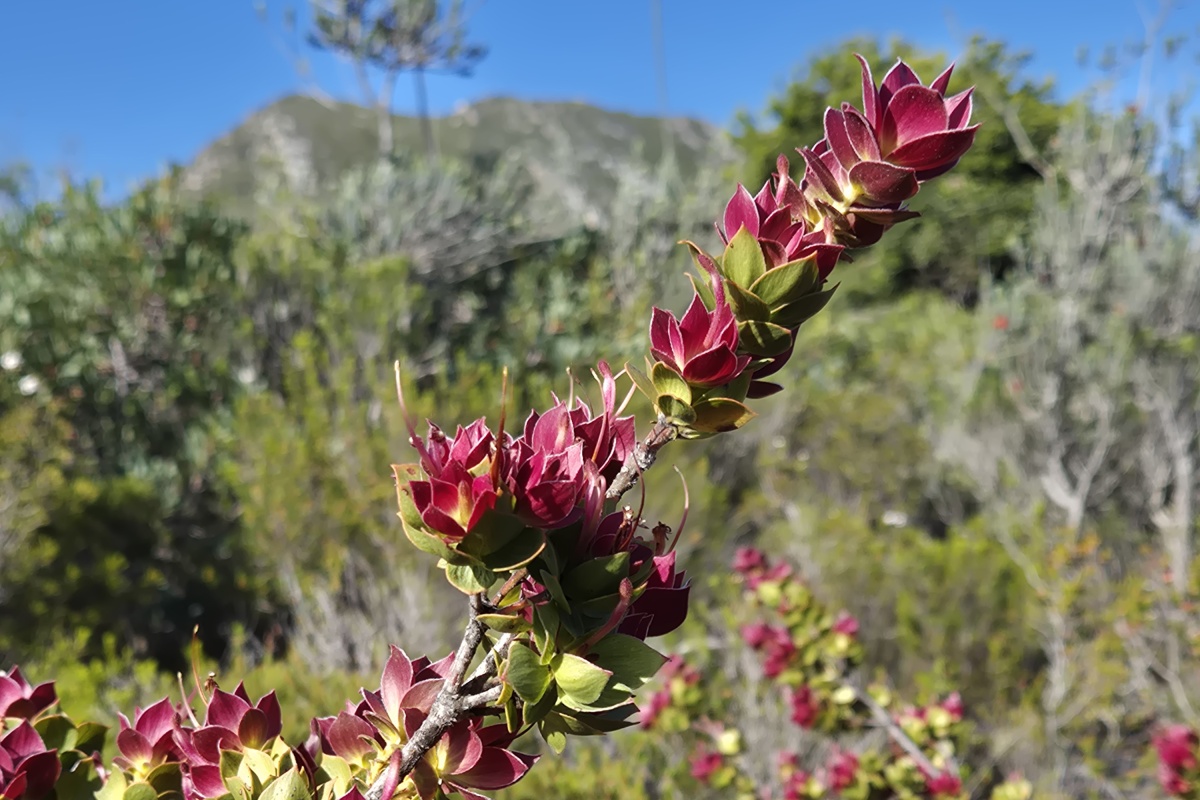
Adenanthos venosus, Fitzgerald River National Park. Photo – DBCA/Megan Dilly
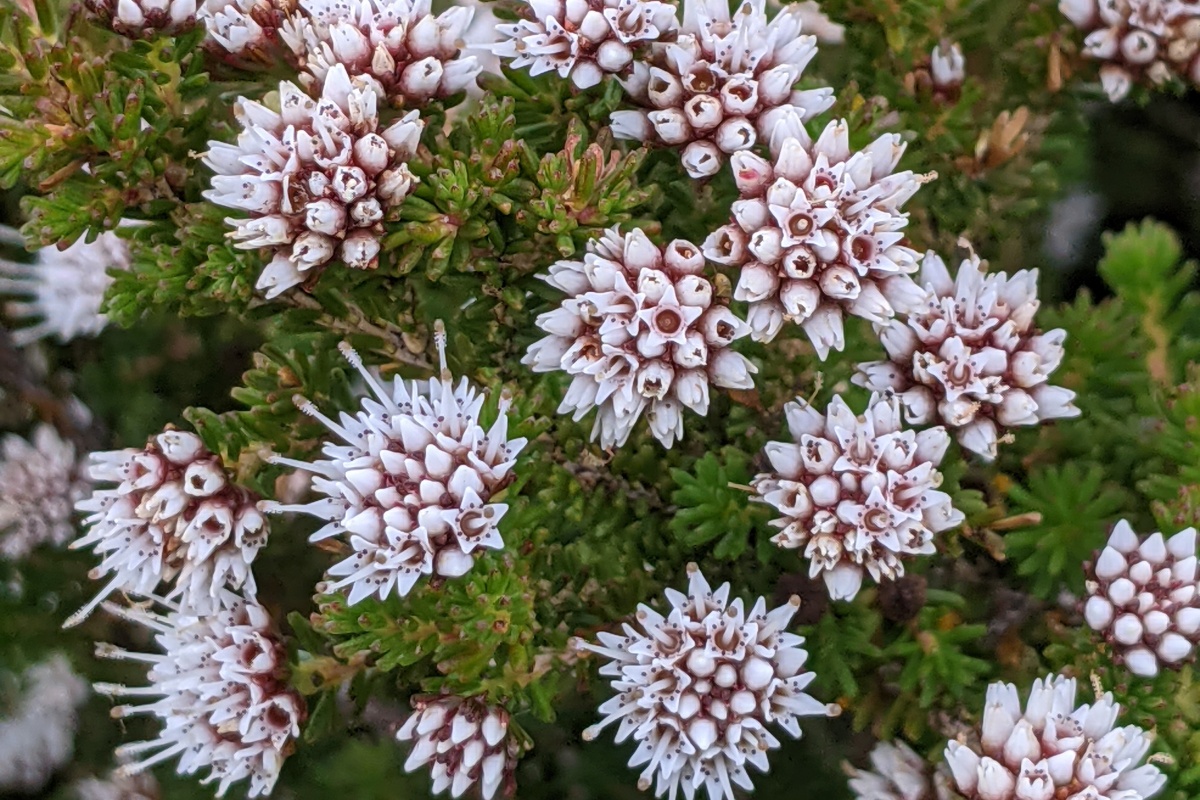
Darwinia diosmoides, Fitzgerald River National Park. Photo – DBCA/Megan Dilly
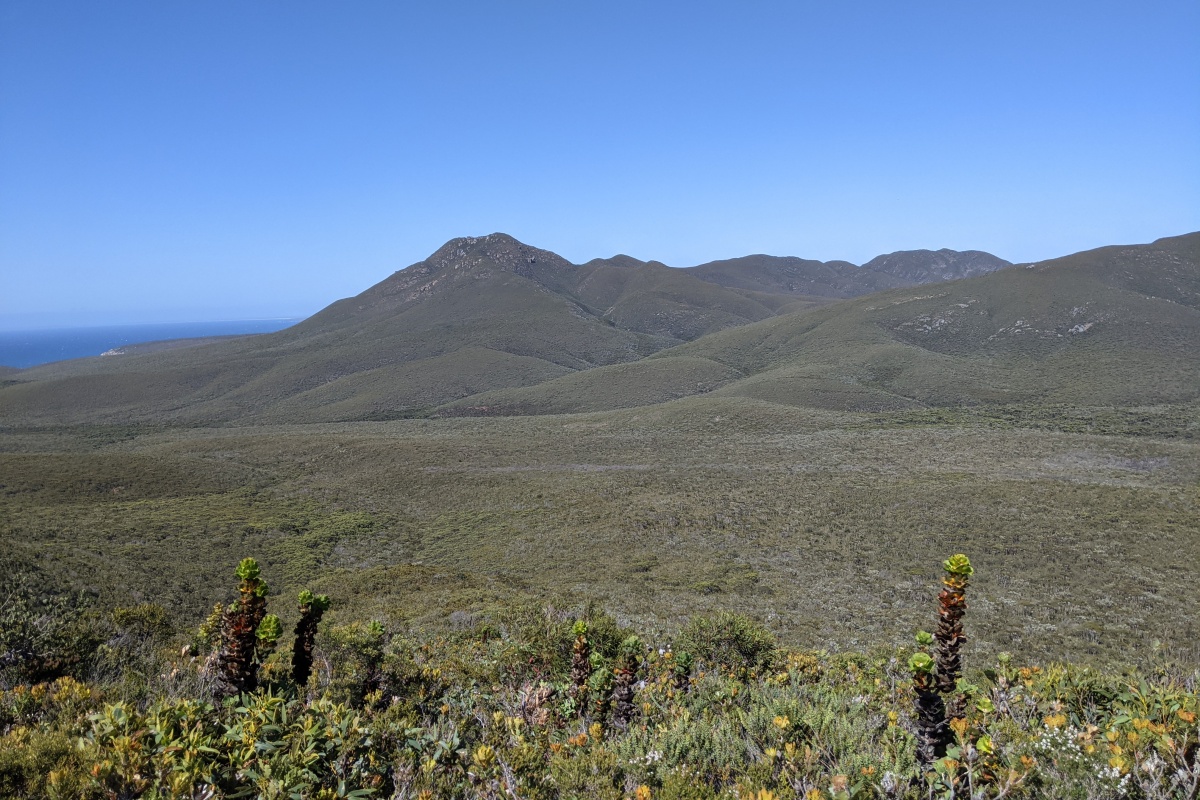
Mountains and undulating plains of the Fitzgerald River National Park. Photo – DBCA/Megan Dilly
The fascinating adaptations of some of these species, in particular those from the Proteaceae, has enabled them to survive in a nutrient poor landscape but also makes them vulnerable to the root pathogen, Phytophthora dieback (Phytophthora cinnamomi) which causes widespread death of susceptible species. There is no way to eradicate Phytophthora dieback once it is introduced.
I knew about Phytophthora dieback having studied it at university and working in the ecological field in WA for 20 years. The devastation that it can cause never really hit home until I had spent years working in the Stirling Range National Park, where the disease has spread throughout much of the park over many decades. The susceptible species of the Stirling Range, which were once common across the mountains, now occur only as scattered individuals and are close to extinction on many of the peaks. There are few examples of extensive healthy Proteaceous shrublands left, and I had only seen what the healthy and diverse mountains should look like in small patches or in historical photographs.
Luckily, the Fitzgerald River National Park was still largely free of Phytophthora dieback when the disease became recognised as one of the major threats to the biodiversity of this area and management measures were implemented to prevent its introduction and spread. Statutory protection for the core, central area of the national park was enacted under the Fitzgerald River National Park Management Plan in 1991, which included limiting access to this wilderness area to prevent the introduction and spread of Phytophthora dieback.
The first time I visited the Fitzgerald River National Park it finally hit home what a healthy south coast Proteaceous landscape should look like. All those Proteaceous thickets that were causing us such grief to walk through were a sign of a healthy and thriving landscape.
FIRE STRIKES
Of course, there are other pressures beside Phytophthora dieback. The drying and warming climate is taking its toll, causing drought events resulting in mass plant deaths through the park. The warming and drying climate is also likely to change fire regimes, potentially leading to more frequent and higher severity fires. While plant species in this region have adaptations that assist in recovery from fire, frequent and intense fires can cause population declines and potentially extinctions.
Two months after our trip into the wilderness area in late 2025, lightning strikes ignited fires in the remote and inaccessible central part of the park, very close to where we had been monitoring. The bushfire burnt intensely during its first week and took three and a half weeks before it was fully contained, with elevated and variable fire weather conditions hindering suppression efforts.
The fire ended up burning approximately 170,000 hectares, which included 145,800 hectares, or around 50 per cent, of the Fitzgerald River National Park.
It was hard to hear the stories and see the images of the size and severity of the fire, and to think of all the species impacted that were already so restricted. Eleven Threatened flora species were impacted by the fire in some way, with four of these largely restricted to the area of the fire, meaning that almost all of their populations were affected. Seventy-three priority flora species, of which 30 are endemic or near endemic to the park, occurred within the burnt area. All known occurrences of the Eucalyptus acies Threatened Ecological Community fall within the fire boundary and are also likely to have been significantly impacted. Substantial areas of the Proteaceae dominated Kwongkan shrubland Threatened Ecological Community were also impacted by the fire.
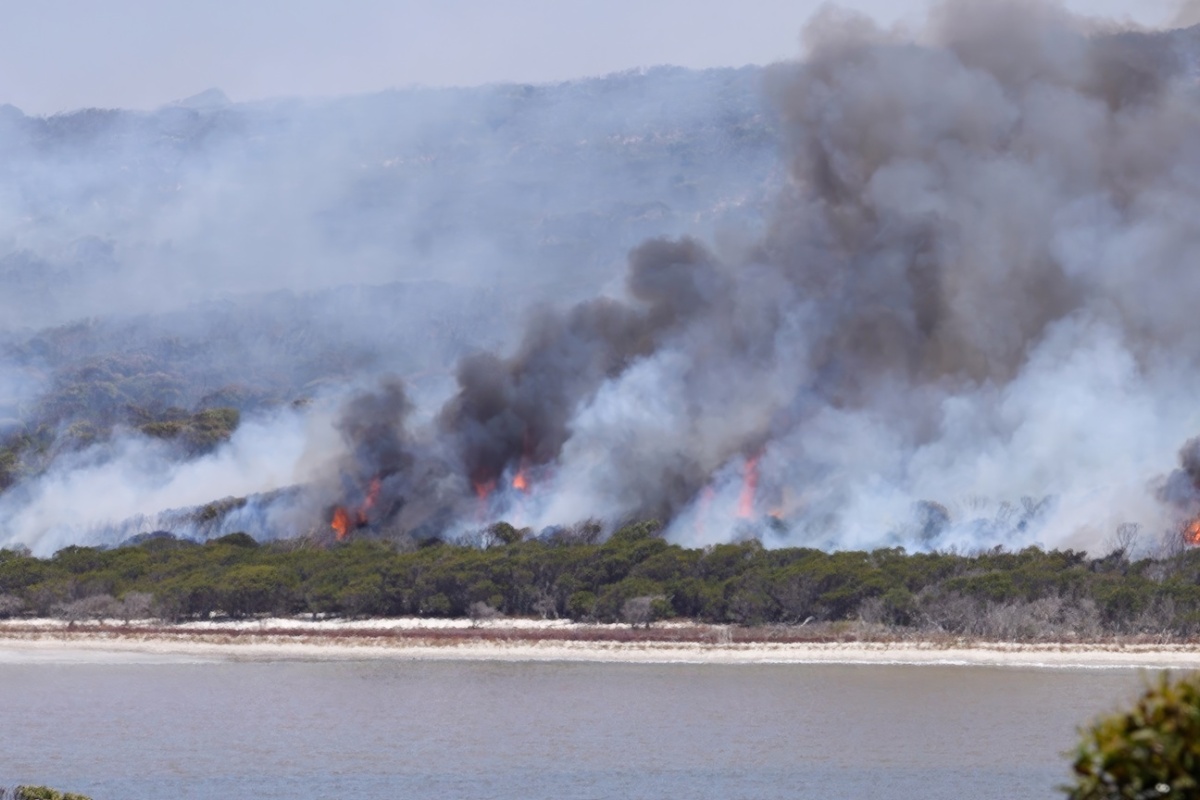
The large-scale bushfire in Fitzgerald River National Park in February 2026. Photo – DBCA
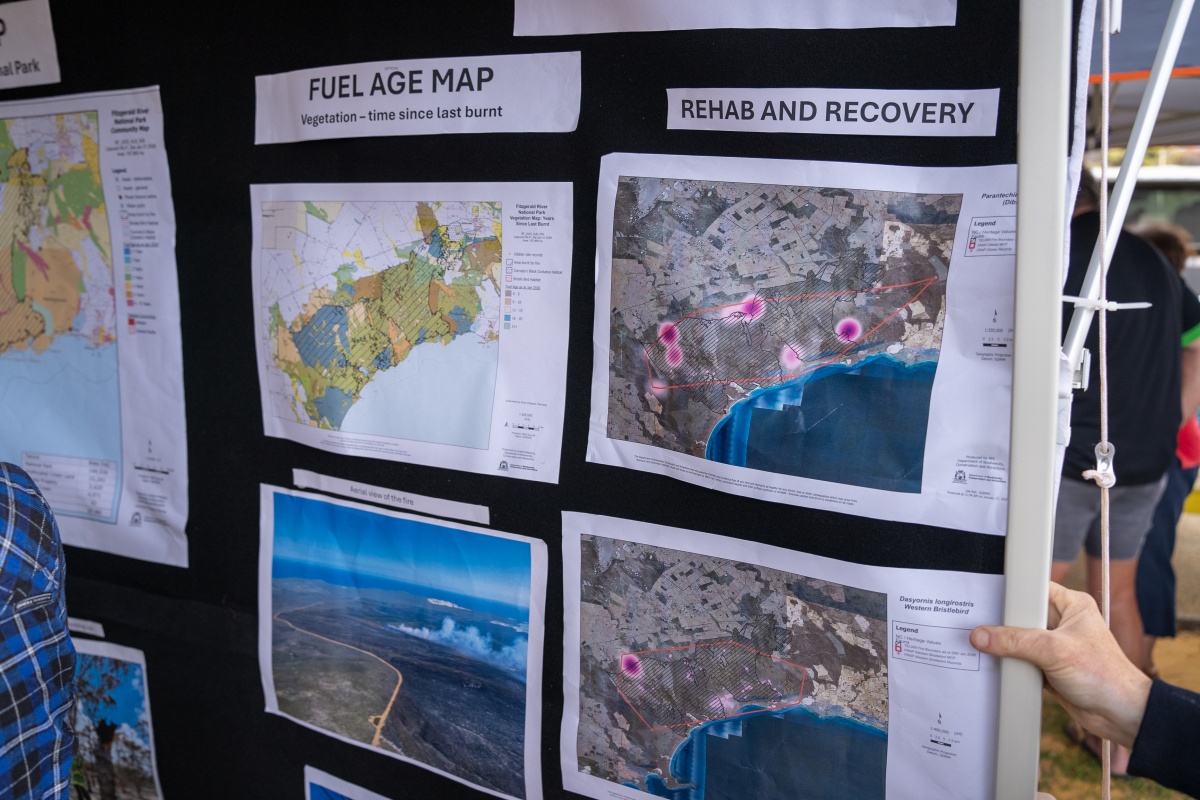
Mapping out potential rehabilitation sites post-fire. Photo – DBCA
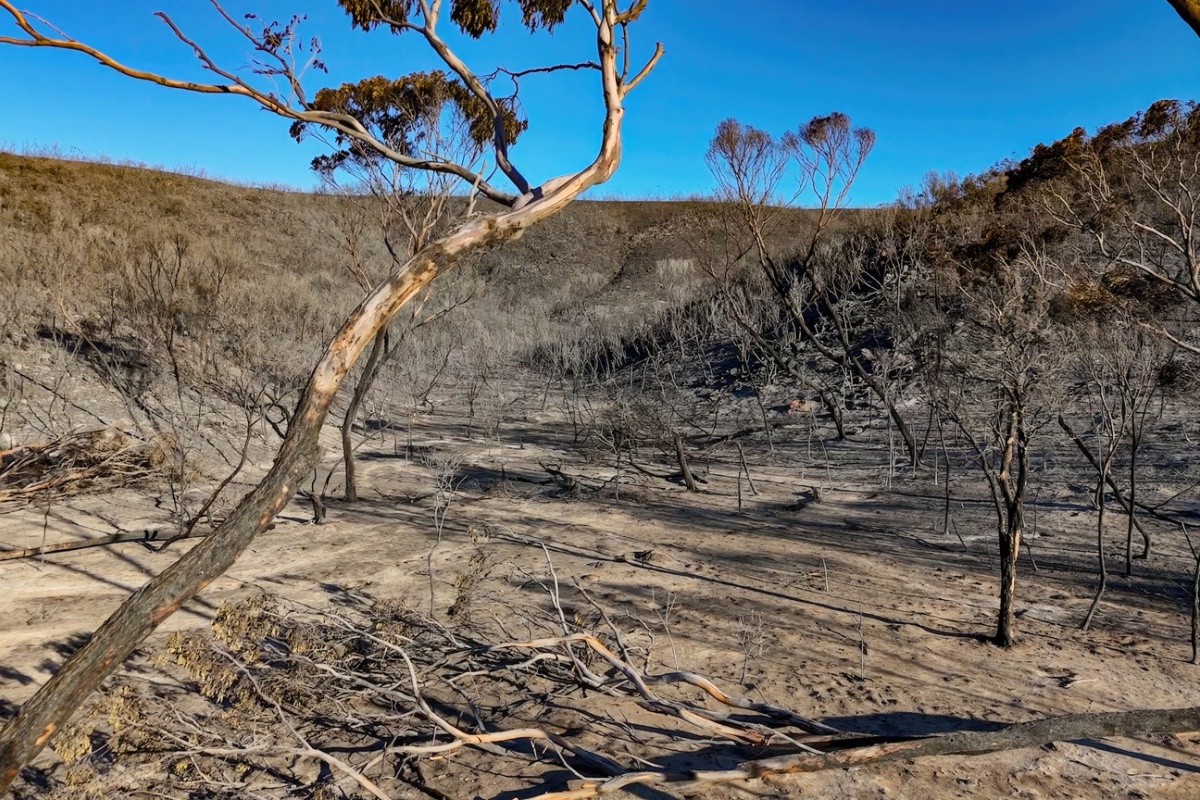
The fire burned more than half of the entire national park. Photo – DBCA
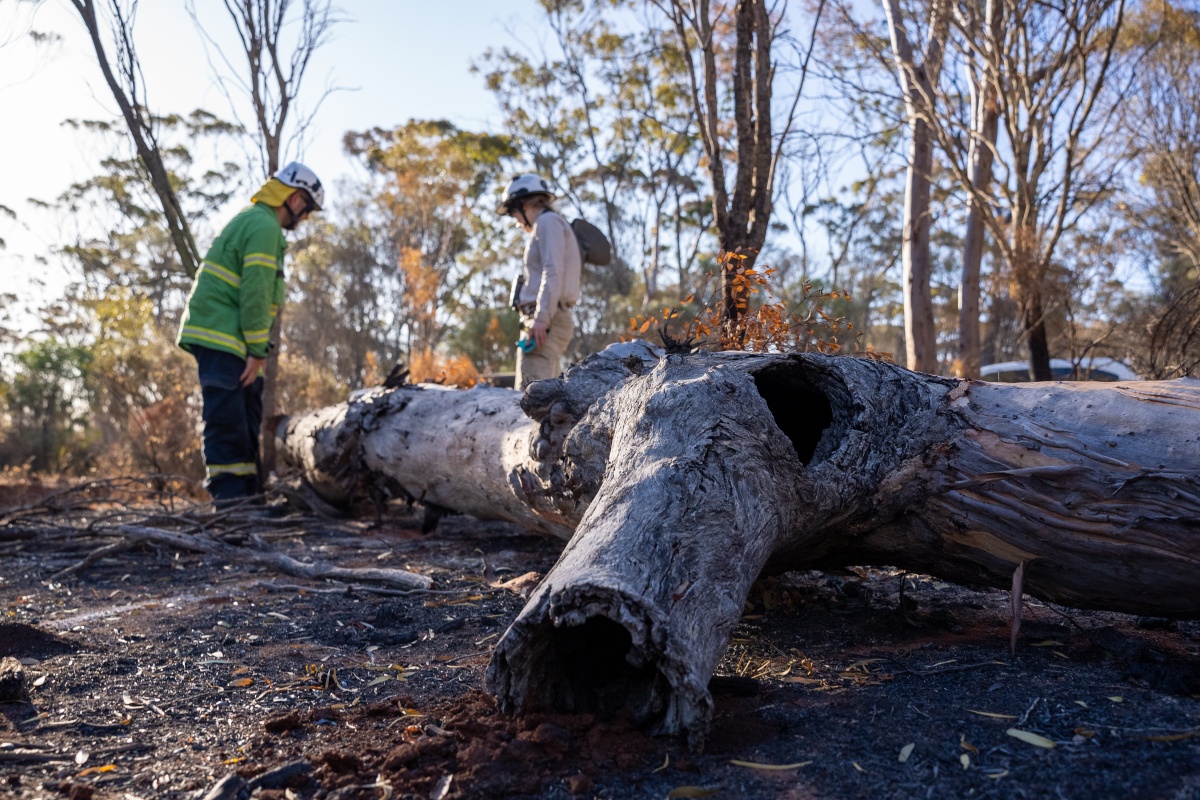
DBCA staff assessing the area post-fire. Photo – DBCA
Some plants can resprout following a fire but there are numerous species within the Fitzgerald biosphere (particularly on the mountains) that are killed by fire and will instead have a flush of seedlings that germinate following fire. There are also many plants that will respond to fire with a flush of flowering, and the fire will stimulate growth of a number of fire ephemeral species. But there is a long way to go for recovery. The young plants will have to survive drought, grazing by hungry herbivores, competition, disease and many more dangers before those incredibly diverse shrublands and heaths can reach maturity.
We need to do everything we can to make sure that Phytophthora dieback is not one of those pressures. So far, Phytophthora dieback has been excluded from the mountain tops in the wilderness areas. Prior to the fire, spot infestations had been identified in several locations on the sandplain, but these infestations have so far been mostly contained. However, the fire has impacted a huge area and made the spread of this disease a much higher risk. From increased human access to increased water run-off, the scorched wilderness area is now much more vulnerable than ever.
On our trip in late 2025, we did eventually reach our Threatened flora population and completed our monitoring. It felt like an achievement just getting there, but we didn’t realise just how important it was at the time. Now the fire has gone through, the data we gathered on the pre-fire populations will be very important in assessing the recovery of these threatened flora and communities after the fire.
While the potential impacts that such a fire has on the ecology of the park are significant, we must remain optimistic. If, there is good rainfall in the coming seasons, short interval fires are prevented, and Phytophthora dieback is managed to prevent its introduction into healthy habitat, in a few years the wilderness area will once more be back to hiding its rich biodiverse secrets behind swathes of colourful, spiky and impenetrable plants.
Visiting
The Barren Ranges and many of their fascinating plant species can be seen at the accessible western and eastern ends of the range at West Mount Barren and East Mount Barren. Along the walk trails you can see some of the iconic Fitzgerald species such as the barrens regelia (Regelia velutina), royal hakea (Hakea victoria), yellow lantern banksia (Banksia lemanniana), the Qualup bell (Pimelea physodes) and mountain banksia (Banksia oreophila).
Remember to stay on the tracks and make sure you clean your shoes at the boot cleaning stations at the start of the trails to prevent spread of diseases such as Phytophythora dieback.
Fauna
The Fitzgerald Biosphere is also a significant refuge for native fauna with the diverse vegetation communities providing significant habitat for a suite of native species. Many of these are largely endemic, with the biosphere containing populations key to their ongoing survival. This includes eight threatened fauna species. The biosphere contains the only known natural mainland population of the dibbler (Parantechinus apicalis) with this species sparsely distributed and often found with the two known centres of the sympatric booderitj/western bristlebird (Dasyornis longirostris) and dayang (heath mouse). Also found in this part of the world is an important population of chuditch/western quoll (Dasyurus geoffroii), genetically distinct from other areas in the state. Mounds of the gnow/malleefowl (Leipoa ocellata) are scattered throughout the Biosphere.
In the north-west of the biosphere is Cocanarup Timber Reserve and surrounding unallocated reserves and private property that contain majestic stands of Salmon gums. These trees provide the hollows required as nesting habitat for one of the most significant breeding sites for Ngoorlark/Carnaby’s Black Cockatoo (Zanda latirostris). The floristically rich heath surrounding Cocanarup provides important foraging ground for these iconic birds year-round, which are particularly important during the breeding season when they are feeding chicks.
Among the significant impacts of the 2026 bushfire on fauna is the loss of approximately half of the known habitat of the western bristlebird and the dibbler, two species reliant on long unburnt and dieback free habitat. Post-bushfire monitoring has also identified significant impacts on Carnaby’s cockatoo nesting trees and adjacent foraging habitat within the Cocanarup Timber Reserve and surrounding areas.
Recovery
The impacts of this fire on the amazing flora, fauna and vegetation communities in the biosphere are unprecedented. Recovery will be slow, but many individuals and partners are supporting this work. A rehabilitation plan has been written and is being implemented, and a longer-term recovery plan is being drafted in collaboration with Traditional Owners, stakeholders and community groups. Initial monitoring has been undertaken in some of the accessible areas of the biosphere and fieldtrips into the core wilderness area will commence this Spring/Summer when conditions are right to prevent potential adverse impacts, such as spread of Phytophthora dieback.
Funding acknowledgement
The flora fieldwork mentioned was funded by the Australian Government under the Saving Native Species Program and South Coast Natural Resource Management as a member of the Commonwealth Regional Delivery Partners panel and was conducted by DBCA.
WA Naturally publications
WA Naturally has a wonderful range of publications available to help you enjoy and learn more about Western Australia's parks and wildlife.
Choose from recreation guides, pocket-sized Bush Books, children's storybooks and much more. Visit our online shop.
WA Naturally publications are also available from good bookshops, visitor centre and adventure stores across WA.
Proceeds from your purchase go towards managing and conserving WA's plants, animals and natural environment.