
Throughout the vast landscapes of Western Australia, from arid deserts in the Mid-West, majestic karri forests in the South West, to cascading waterfalls in the Kimberley, the Department of Biodiversity, Conservation and Attractions (DBCA) has the enormous privilege to protect, conserve and celebrate Western Australia’s natural treasures. This is no easy feat, with dedicated and brilliant staff at the frontlines of conservation efforts, focusing on landscape management, threatened flora and fauna, fire management, sustainable tourism, and safeguarding cultural values.
But such a diverse and expansive responsibility demands its own challenge—how do you adequately prioritise conservation work across nine regions, throughout 34 million hectares of land and water?
This responsibility has grown significantly in the last five years, with over five million hectares added to the conservation estate under the State Government’s Plan for Our Parks initiative. The result has been a stunning 28 per cent increase, equivalent to the size of Tasmania. In addition, the department has responsibility across a further 91 million hectares of unallocated Crown land and unmanaged Crown reserves, for fire preparedness, feral animals and declared weeds.
So, in 2019, DBCA embarked on a comprehensive process to create a new and coordinated way of supporting the planning and delivery of conservation actions. This was through developing Regional Conservation Plans, using the same methodology across the State, establishing a comprehensive, repeatable and transparent process.
It has taken six years of hard work, over 240 people including department and external experts, and a shared passion for conservation that has culminated in DBCA’s suite of Regional Conservation Plans. Ultimately, it was an opportunity for staff to pause and plan together, share knowledge, and forge ahead with greater confidence.
Connecting the dots
Priority planning and conservation work have always happened with great care and responsiveness to local needs and conditions. However, this has not always been consistent or well-documented across all regions, with differing views on the best approach to prioritisation. It was time to develop a process where all regions could make decisions about which conservation actions would deliver the greatest benefit.
“Western Australia is a massive State with diverse landscapes, species and ecological communities, ranging from Kimberley savannah to south-west jarrah forests, bilbies to turtles, wattles to microbial communities, all requiring management for conservation,” said Renee Evans, Regional Leader Conservation for the Swan Region, and architect of the regional conservation planning prioritisation process.
“Our management is informed by large datasets from decades of monitoring, surveys and research programs as well as operational experience. Finding a perfect approach was always going to be a challenge.
“It was important to develop and commit to a structured process that includes the wealth of knowledge within the department and drive of staff to achieve positive conservation outcomes.”
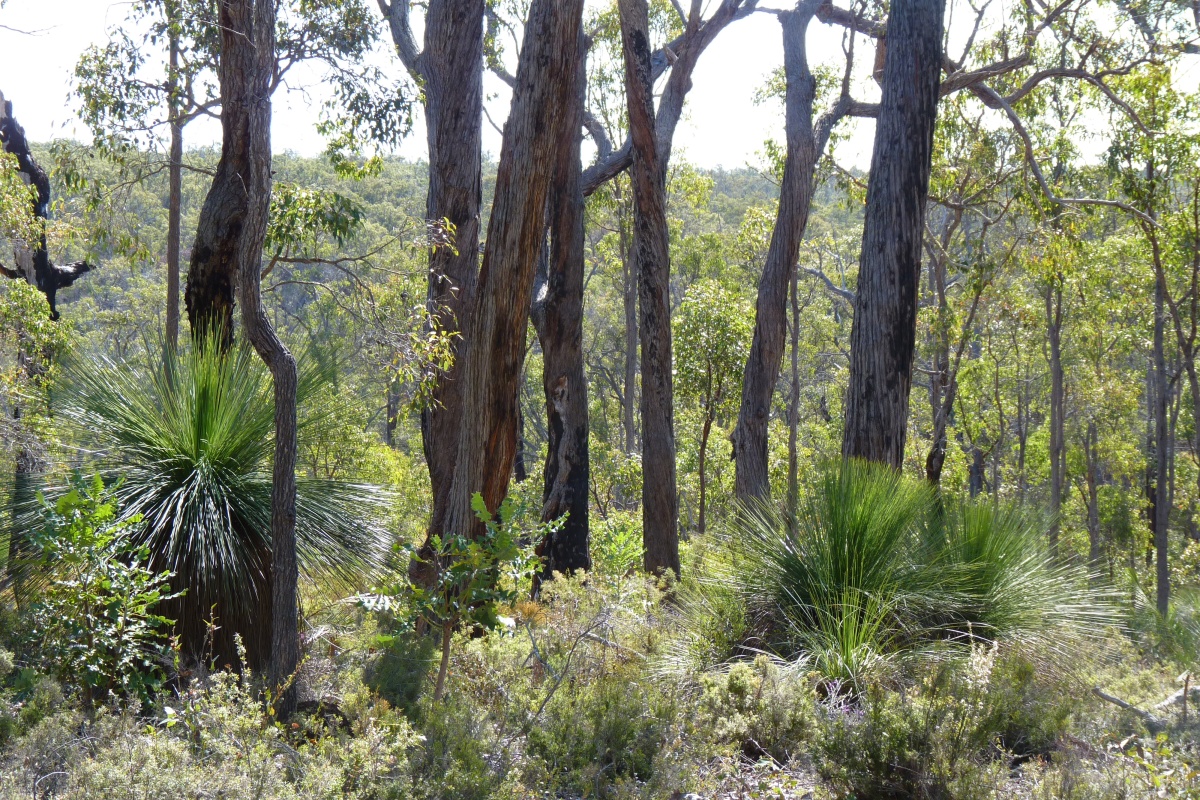
Tone-Perup Nature Reserve in the Warren Region. Photo - Bron Anderson/DBCA
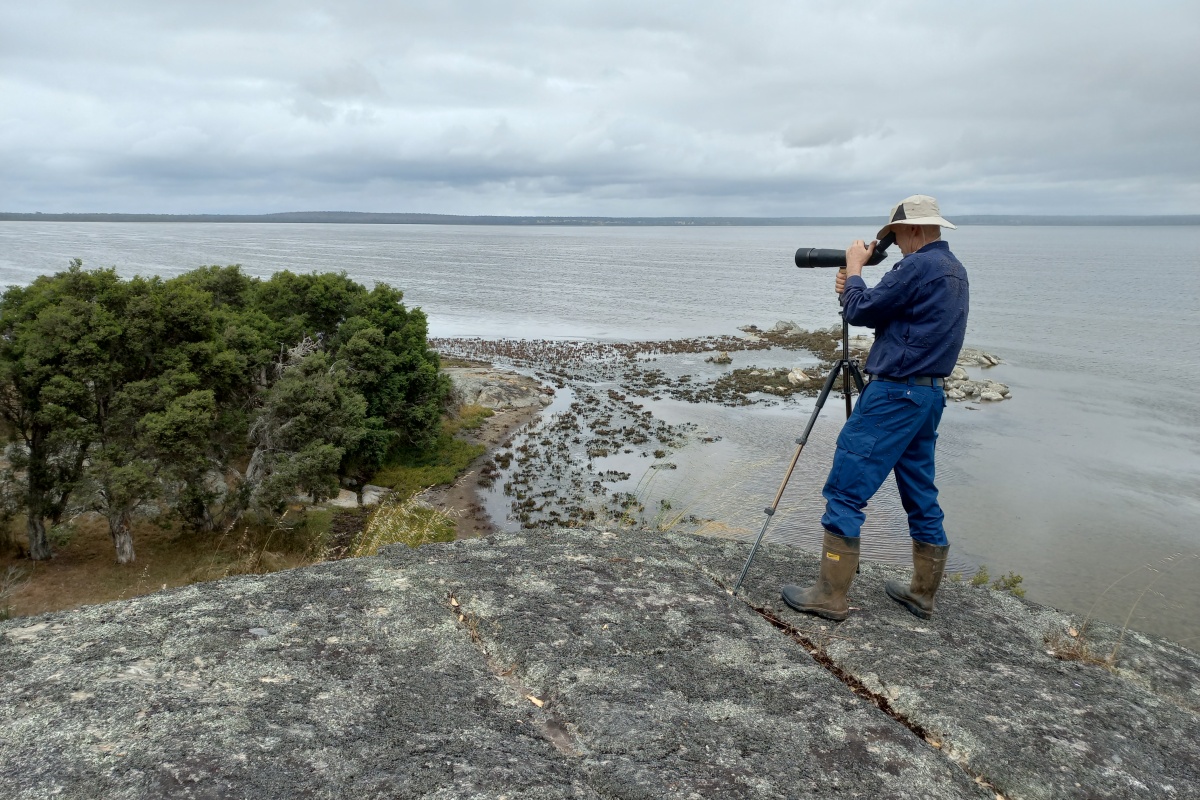
Bird monitoring in the South Coast Region
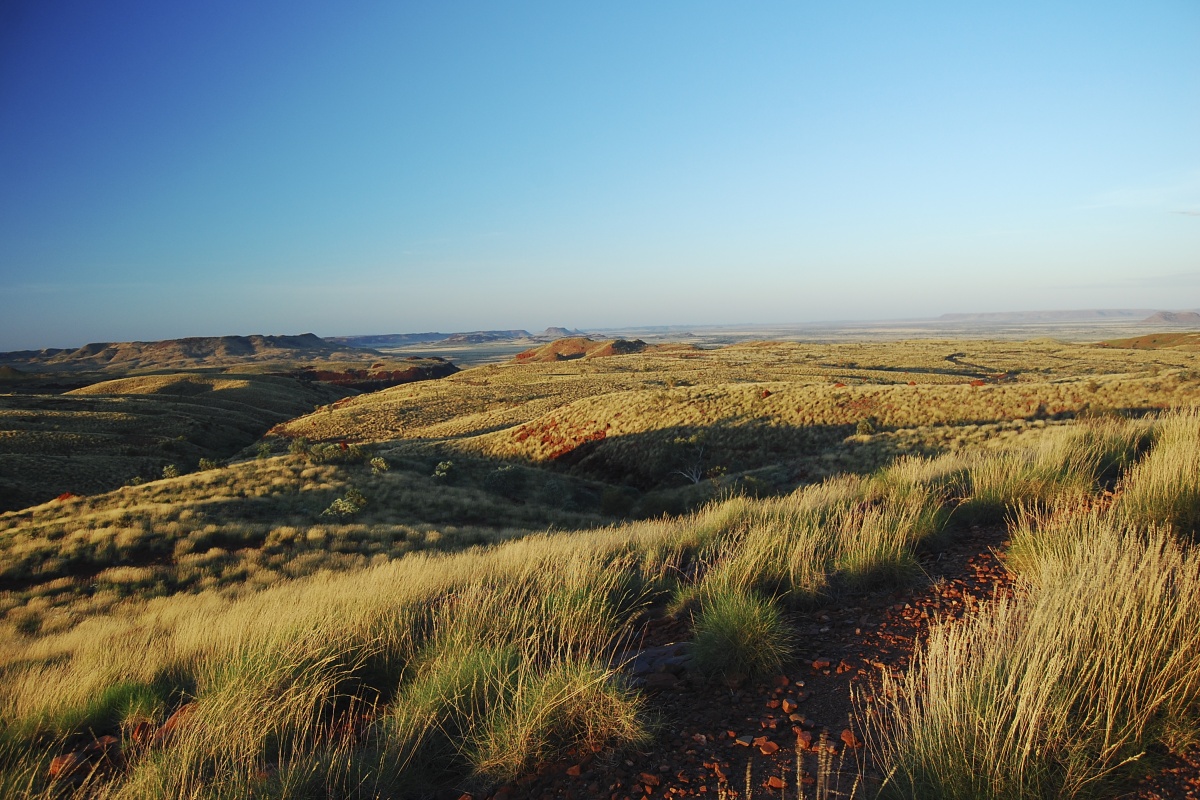
View from Mt Herbert in the Pilbara Region. Photo - Scott Godley/DBCA
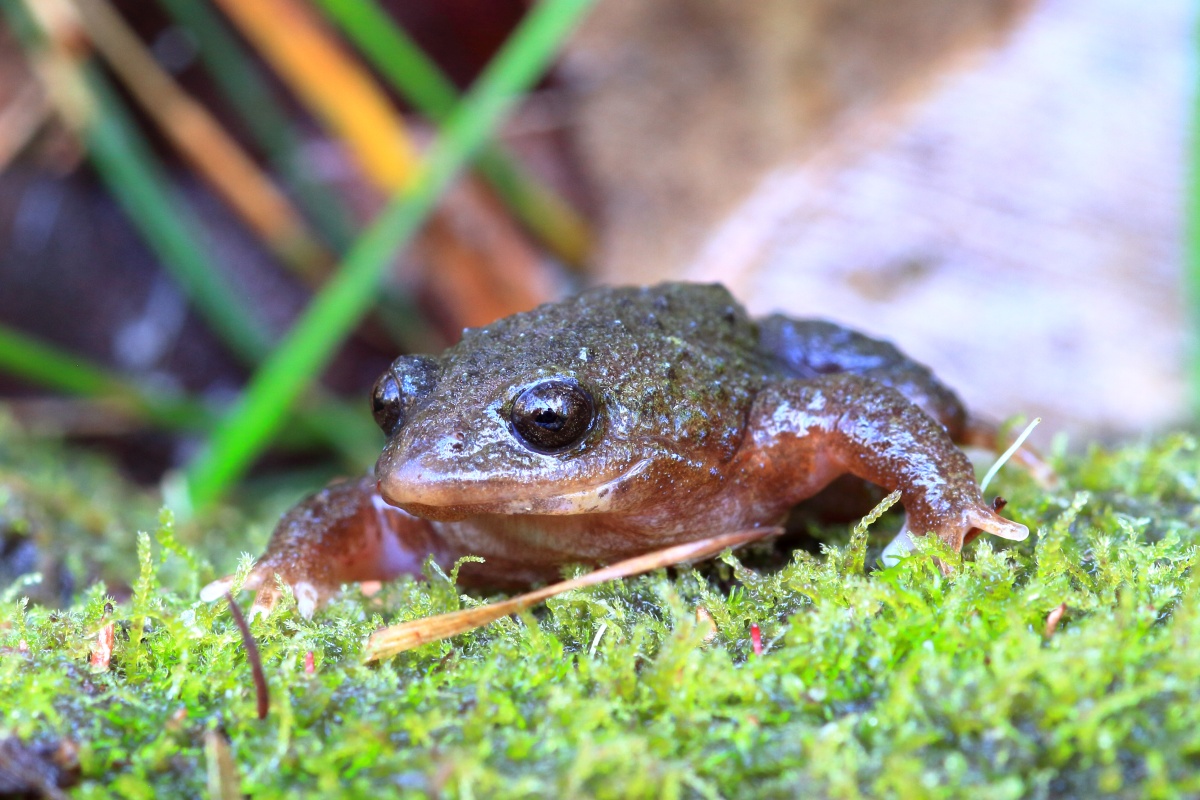
White-bellied frog (Anstisia alba). Photo - Kim Williams/DBCA
Through years of collaboration, refinement and consultation, each of the nine regions used a consistent process to:
- Identify priority reserves, landscapes and threat mitigation actions at a regional level
- Identify threatened and priority species and ecological communities
- Screen these landscapes, species and ecological communities into various management categories
- Develop conservation management actions and identify key knowledge gaps for investigation
- Prioritise these actions and knowledge gaps using benefit-cost, risk assessment and value of information analyses
- Undertake a review and refinement process to ensure the plans were fit-for-purpose
“It was a comprehensive process requiring an incredible level of coordination, subject matter expertise and data wrangling. We utilised existing departmental data and incorporated local knowledge and scientific expertise to identify management actions and prioritise them,” said Renee.
“We are grateful to everyone who contributed, including experts from within and external to the department. A highlight for many of the participants was having so many experts around one table to discuss a particular threatened species or ecological community and share their knowledge.
“Making these connections has built relationships and opened up collaboration opportunities that cannot be understated.”
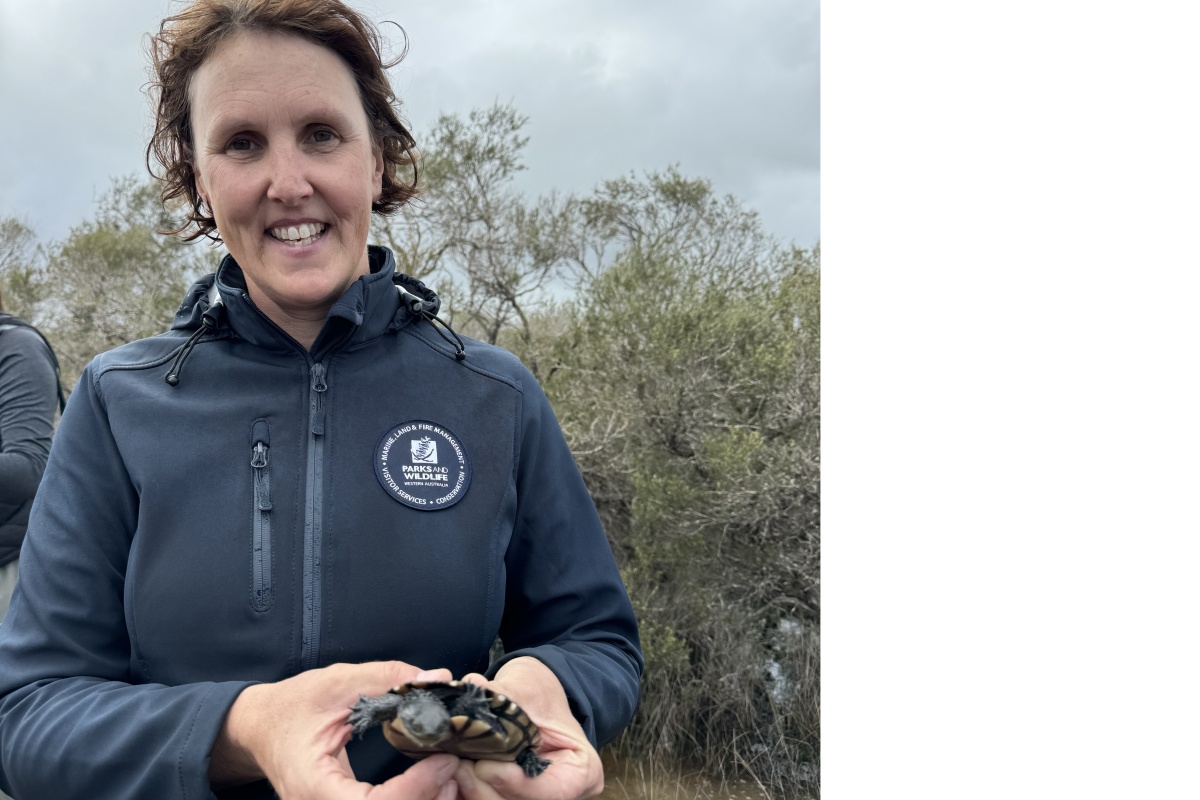
Renee Evans with a Western swamp tortoise, one of the highest priority threatened species in the conservation plans. Photo – DBCA
What’s next? From planning to action
Whilst the completion of the plans is an achievement worthy of celebration, the learnings along the way have been informing regional works programs and research projects since the process began.
The information underpinning the plans has also supported the establishment of exciting partnerships, like the recent Watheroo Region Conservation Program and Pilbara Conservation Program.
“A key driver for developing the Regional Conservation Plans has been to provide a basis for future strategic business planning and to help align potential funding opportunities, including through collaboration and partnerships,” said Jason Foster, Executive Director Regional and Fire Management Services, who has overseen the development of the plans since their inception.
“The dedication of our staff to see this process through is something I’m really proud of. The plans provide confidence to government, stakeholders and the community that we are prioritising conservation efforts and allocating our resources effectively.”
For the team behind this process, there’s always more to do and learn. The department takes an adaptive management and evidence-based approach to biodiversity conservation. Adaptive management enables information to feed back into and improve the way management is undertaken over time. Monitoring, evaluation and reporting are essential parts of this process to provide accountability and support continuous improvement. Importantly, it’s about understanding how regional conservation actions deliver on the overall biodiversity outcomes.
“Plans are static in time, so the next step is to develop systems to support incorporating new information to constantly inform our planning, management, monitoring and learning. This includes tracking and reporting on our progress,” said Kimberly Onton, Divisional Leader Regional Services, who helped to coordinate delivery of the plans.
“For me, the main motivation has been to support our dedicated and passionate staff who work hard to protect the biodiversity values that we all care about,” said Kim.
“It can be an overwhelming task. These plans enable everyone to see the scale and diversity of the conservation work undertaken by our staff and partners and provide a roadmap to support decision-making, to help us achieve significant conservation outcomes.”
“We look forward to continuing to foster the relationships developed through the planning process and work collaboratively to make the greatest impact for the benefit of Western Australia.”
You can learn more about the regional conservation plans and the Biodiversity Conservation Framework, and see how DBCA teams across Western Australia are turning regional conservation priorities into on-ground outcomes, by visiting DBCA’s website.
Regional conservation plans are structured to demonstrate how regional conservation actions contribute to achieving delivery of the department’s overarching conservation strategies as outlined in the Biodiversity Conservation Framework.
- Landscape actions focus on the reserve system managed by the department and landscape-scale threat mitigation programs to benefit multiple conservation values.
- Targeted actions consider threatened and Priority species and ecological communities that require targeted management intervention because they are under identifiable threat and where management programs and conservation actions applied at the reserve or landscape scale are not adequately addressing threats.
- Learn actions consider the threatened and Priority species and ecological communities that require monitoring, survey, threat assessment, research or other science engagement to address information requirements. Addressing these information requirements will enable management through the development of Landscape or Targeted actions.
Actions from a particular management category can inform, complement or evolve into actions from another category. For example:
- Addressing an information requirement (Learn action) may inform the development of Targeted or Landscape actions.
- Undertaking a Targeted action for a threatened species or ecological community may enable its ongoing management to be addressed by a Landscape action that benefits multiple species and ecological communities. Alternatively, it may highlight additional information needed to support effective management (Learn action).
- Through undertaking a Landscape action, it may become evident that a Targeted action or Learn action is required for a threatened species or ecological community within the landscape.
Map of DBCA regions
Use the map to find your region of interest and download the overarching Regional Conservation Planning Approach and regional conservation plans.
WA Naturally publications
WA Naturally has a wonderful range of publications available to help you enjoy and learn more about Western Australia's parks and wildlife.
Choose from recreation guides, pocket-sized Bush Books, children's storybooks and much more. Visit our online shop.
WA Naturally publications are also available from good bookshops, visitor centre and adventure stores across WA.
Proceeds from your purchase go towards managing and conserving WA's plants, animals and natural environment.