Australian Government Saving Native Species Project
The Department of Biodiversity, Conservation and Attractions (DBCA), funded by the Australian Government Saving Native Species Program, is leading a project to investigate and facilitate the use of dieback detector dogs across Australia. This project builds on promising pilot studies completed in 2022 by the New South Wales (NSW) National Parks and Wildlife Service and TATE Animals, funded through the NSW Government’s Saving Our Species program.
The project will support existing dieback detector dog capacity in New South Wales and develop new capacity in Tasmania and Western Australia until March 2026.
The project aims to help prevent the spread of dieback across the country and support recovery of threatened species and ecosystems impacted by dieback by supporting mapping, detection and management. The project also aims to reinvigorate industry and community engagement in stopping the spread of dieback.
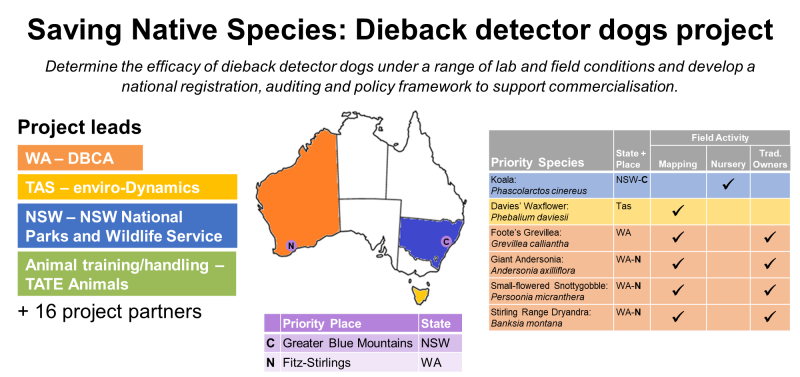
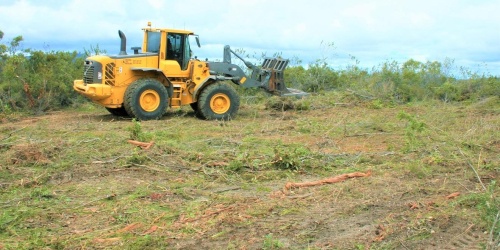
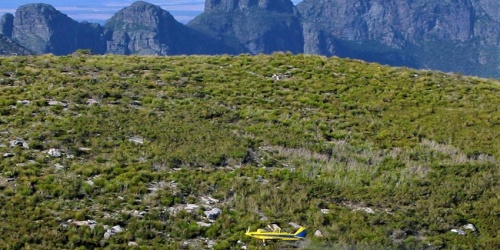
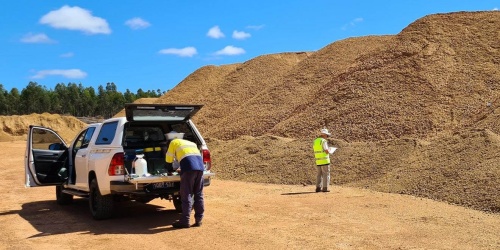
In Western Australia, detector dogs will assess the dieback status of translocation sites for several Critically Endangered species, including Foote’s Grevillea, Giant Andersonia, Small-flowered Snottygobble and Stirling Range Dryandra. The dogs will also support hygiene testing of nursery stock, soil stockpiles, basic raw materials such as gravel, and machinery on mine sites.
In New South Wales, detector dogs will assess the dieback status of nursery stock intended for revegetation projects to prevent the spread of Phytophthora into koala habitat.
In Tasmania, detector dogs will assess the dieback status of translocation sites for the Critically Endangered Davies’ Waxflower. They will also be trialled for quarry inspections to assess the dieback status of roading materials.
Leaderships and partnerships
The dieback detector dog consortium and Saving Native Species project is led by DBCA, with animal handling leadership from TATE Animals, New South Wales leadership from NSW National Parks and Wildlife Service, and Tasmanian leadership from Enviro-dynamics.
In addition, 16 project partners from across Traditional Owner, government, community and industry sectors are involved. Partners include: Ancient Connection Canine Services, Binalup Aboriginal Corporation, Bush Heritage Australia, Department of Natural Resources and Environment Tasmania, Dieback Working Group, Gondwana Link, Greening Australia, Greater Sydney Local Land Services, Greenlife Industry Australia, Newmont Australia, PlantClinic (Botanic Gardens of Sydney), Premier Coal, Quarry Clean, Terrestrial Ecosystems, The University of Sydney and Yued Aboriginal Corporation.
How do I engage the services of a dieback detector dog?
Dieback detector dog handlers can be engaged directly on a fee-for-service basis.
A list of providers and their contact details can be found in the downloads section below.
Western Australian dog handlers
DBCA ran a competitive grant process in 2025 to identify and award suitable dog handlers with two WA dieback detector dogs trained by TATE Animals as a part of the Australian Government Saving Native Species Program Project
We are pleased to announce that Megan Barnes from Detection for Good and Liam Brown and Danica Delaporte from Glevan Consulting were the successful applicants for the grant, joining the Dieback Detector Dog project as WA dog handlers.
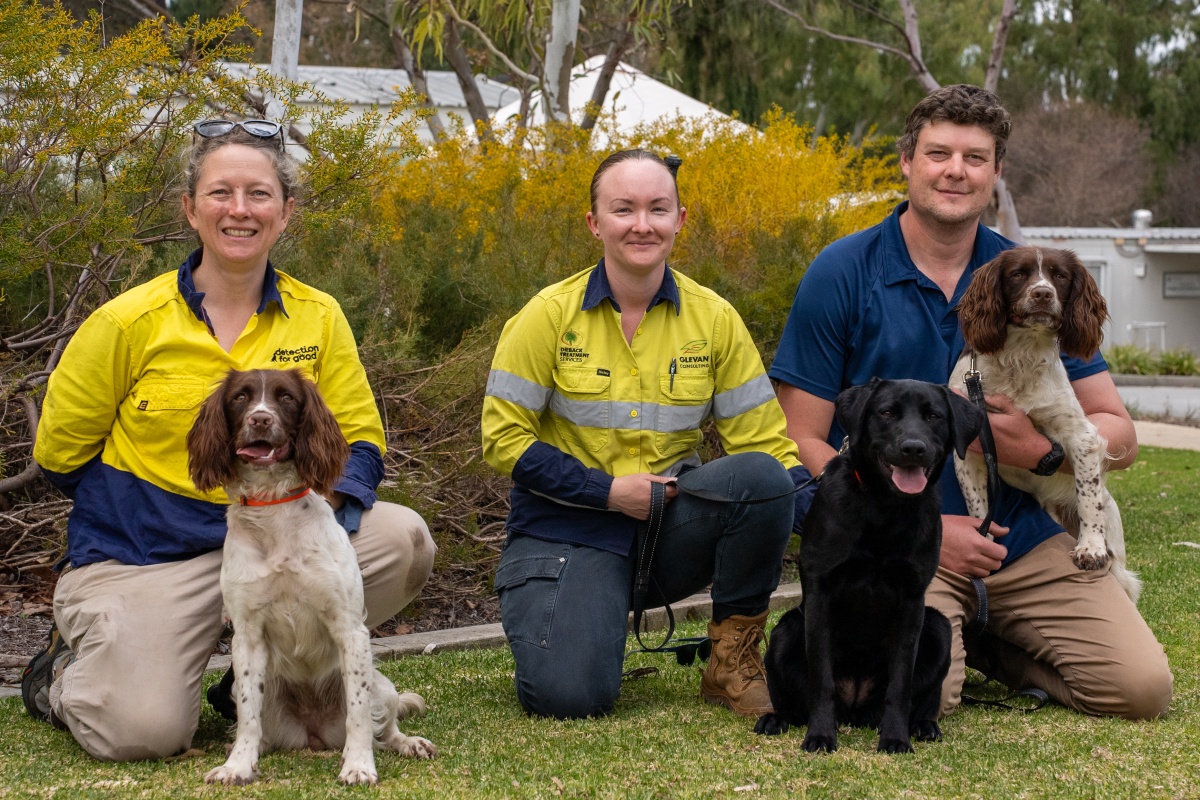
WA Dieback Detector Dogs and their Handlers - Megan Barnes and Kelly from Detection for Good (left), and Danica Delaporte and Squid (centre) and Liam Brown and Milo (right) from Glevan Consulting.
Megan Barnes handles Kelly, an English springer spaniel. Megan is the CEO of Detection for Good, a specialist conservation detection dog company based in Perth. She is a skilled and experienced handler with a strong science background.
Liam Brown handles Milo, an English springer spaniel. Liam is the Manager of Glevan Consulting, a specialist dieback mapping consultancy based in Pinjarra. Glevan’s Operations Manager Danica Delaporte handles Squid, a black labrador. Squid was purchased by Glevan from TATE Animals, bringing the total number of dieback detector dogs in WA to three. Liam and Danica are skilled and experienced registered dieback interpreters, with a strong understanding of the mapping and management of Phytophthora dieback in WA.
New South Wales and Tasmanian dog handlers
Ryan Tate from TATE Animals trained Kelly, Milo and Squid for deployment to WA. Ryan is also the trainer and a handler of Alice - Australia’s first Phytophthora detection dog - also an English springer spaniel. Dave Wilkin also handles Alice. Avery Keller from Apex Canine handles Echo, a Brittany spaniel. TATE Animals will continue to mentor and train the WA handlers to ensure a smooth and effective transition for all dogs and handlers.
Morgan McPherson handles Pippa, an English springer spaniel. Morgan trained Pippa in Tasmania under the mentorship of Ryan Tate. Morgan and Pippa are from Enviro-dynamics, a Hobart based environmental consultancy.
Both TATE Animals and Enviro-dynamics have supported dieback detection work in WA and NSW, travelling when a larger team of detection dogs are required.
Contact us
For media enquiries regarding the dieback detector dogs’ work with the plant diseases team, please contact DBCA Media on 08 9219 9999 or by emailing media@dbca.wa.gov.au
Project or partnership enquiries can be directed to the Plant Diseases Program by emailing plantdiseases@dbca.wa.gov.au
Enquiries to engage dogs and the handlers should be directed to the providers listed in the dieback detector dog contact list in the download section below.
Downloads