
In the high-stakes world of bushfire management, decisions often need to be made in minutes, meaning strong and decisive leadership is crucial.
Prior to this year, the role of incident controller for Western Australian bushfires classified as level 3 – the most complex bushfire incidents under the Australasian Inter-service Incident Management System (AIIMS) –had only ever been held by males.
But in late-2024, Allison Donovan became the first Western Australian female, from any agency, to be accredited as a level 3 incident controller.
“Level 3 is the most complex incident to manage,” Allison explained. “These are the large bushfires with lots of potential impact on community.
“It’s a challenging space. It’s very fast-paced. There’s a lot going on and there are a lot of decisions to be made. You have to enjoy that fast pace of working in an incident space.
“But it’s a team environment, and there are people working all for a common good.”
WHAT IS A LEVEL 3 INCIDENT?
Bushfires, as well as other incidents requiring an emergency response, are classified into three levels under AIIMS – 1, 2 or 3.
The classification indicates the complexity and potential consequences of the incident and provides a trigger for actions including who needs to be notified and the level of resources that will be required. A level 3 incident – the highest level – will require resources from across the State and will be highly complex.
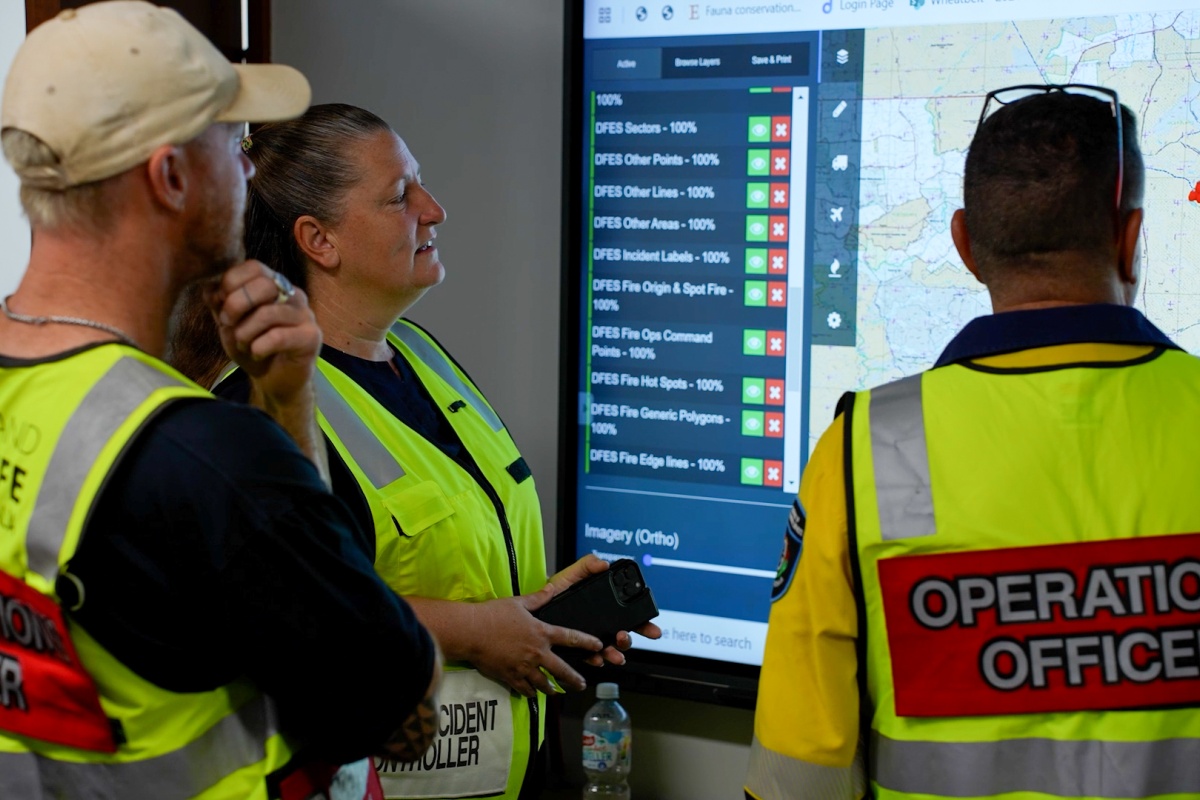
The Incident Management Team assessing the Donnelly Complex bushfires in March 2025. Photo – DBCA.
Level 3 incidents often involve multiple agencies, extended durations, and significant threats to communities and infrastructure.
“Being an incident controller, the biggest concern obviously is life and property,” Allison said.
“When you're faced with the potential for a town to be impacted, it is challenging. But the team works together to put strategies in place to ensure the most likely outcome is a limited impact on people.
“It’s very rewarding when the plans you put in place come to fruition and towns aren’t impacted.”

Allison Donovan as Incident Controller with Alison Raper who was Regional Duty Officer during a fire incident. Photo – DBCA
THE PATHWAY TO LEVEL 3 ACCREDITATION
Gaining accreditation as a level 3 incident controller requires experience and formal training and qualifications, and potential candidates need to be nominated and supported by their home agency or jurisdiction.
Nominees need to have at least two years’ experience as an incident controller managing moderate to high-impact and complexity events and must have successfully completed an accredited preparatory course.
Allison is a seasoned fire management professional with almost 25 years of experience she draws upon when managing complex bushfire incidents.
Since joining the Department of Biodiversity, Conservation and Attractions in 2001, she has worked in roles across the state based in Collie, Walpole, Jurien Bay and now Geraldton, where she has lived with her family since 2022.
DBCA Manager Fire Management Services Stefan de Haan recognised that Allison’s skills and experience matched those required to be a level 3 incident controller and, acknowledging the importance of developing talent and ensuring succession planning in such an important position, nominated her for level 3 accreditation.
“Ally is a senior leader in the organisation and had filled the shadow incident controller role in the Charlie Interagency Bushfire Pre-Formed Team over previous seasons,” Stefan said.
“She has significant fire experience having worked across different regions from Warren to the Midwest. In more recent times she’s been the Frankland District Manager, Turquoise Coast District Manager and now the Regional Manager in the Midwest Region.
“These managerial roles combined with her fire experience make Ally ideally suited to being an incident controller as she is used to consuming lots of information, analysing it and often having to make difficult decisions in pressurised situations, much as you find in a bushfire scenario.
“She is also a great communicator, has excellent people skills and is very empathetic, which makes her a very good leader.”
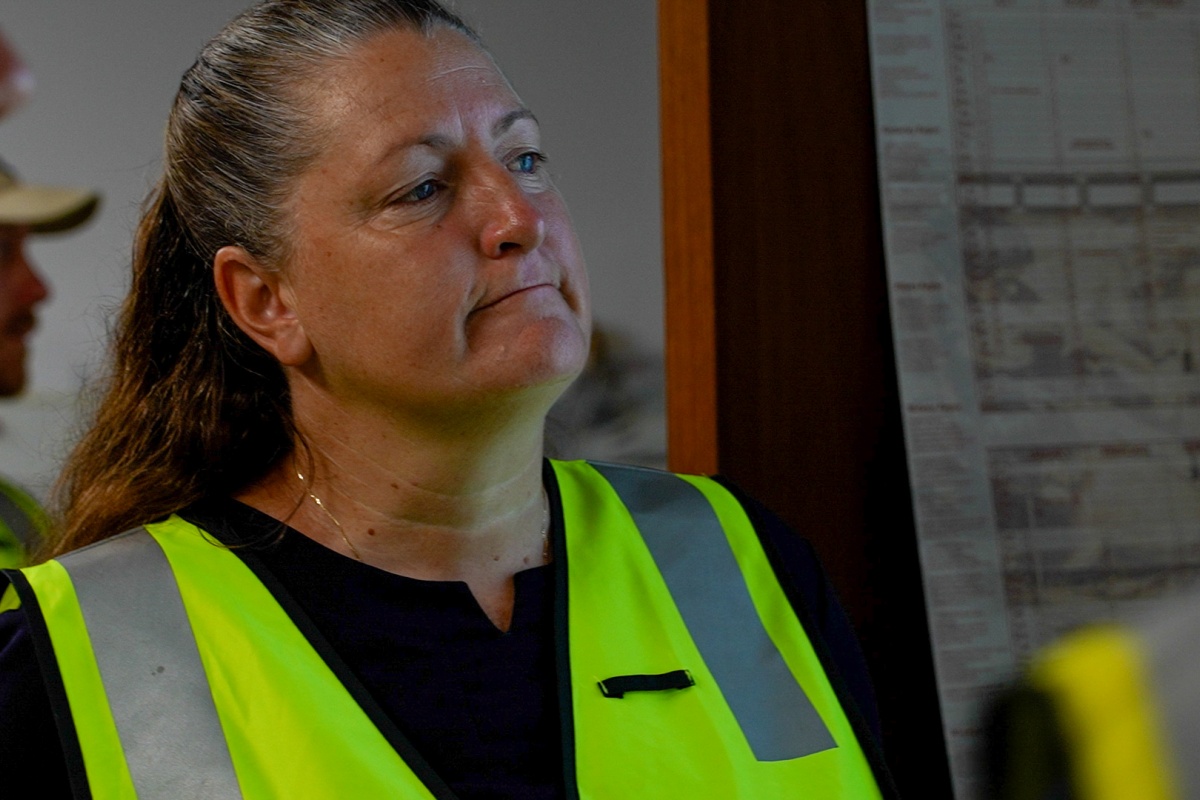
Allison draws on her extensive fire management experience and leadership skills to make difficult decisions under pressure. Photo – DBCA
To help develop emerging level 3 incident controllers like Allison, Stefan and the Fire Management Services team created a shadow incident controller role for DBCA staff in pre-form teams and provided mentoring opportunities during deployments to serious bushfire incidents, providing them with experience in addition to filling level 1 and level 2 incident controller roles outside of the pre-form team space.
Allison was also given the opportunity to be involved in ongoing discussions as part of an interagency incident controller network and was involved in pre-season forums that included current and other developing level 3 incident controllers.
Prior to achieving her level 3 Incident Controller accreditation, Allison had shadowed incident controllers on level 3 incidents including the serious Cervantes bushfire in November 2024, gaining firsthand insight into the complexities of top-tier incident management.
In February 2025, she was one of the incident controllers for the level 2 bushfires that burned for more than a month and threatened several townsites in the Shire of Manjimup.
Allison was also part of a month-long study tour to Canada and the United States in late-2024 alongside fire management leaders from across Australia and New Zealand.
The tour offered a global perspective on bushfire management and response and reinforced the importance of adaptive leadership in a changing climate.
“It was really interesting to see how comparable incident management is between different countries and how we are all struggling with similar challenges,” Allison said
“It was obvious that we have learnt a lot from each other over the years, which was really refreshing”
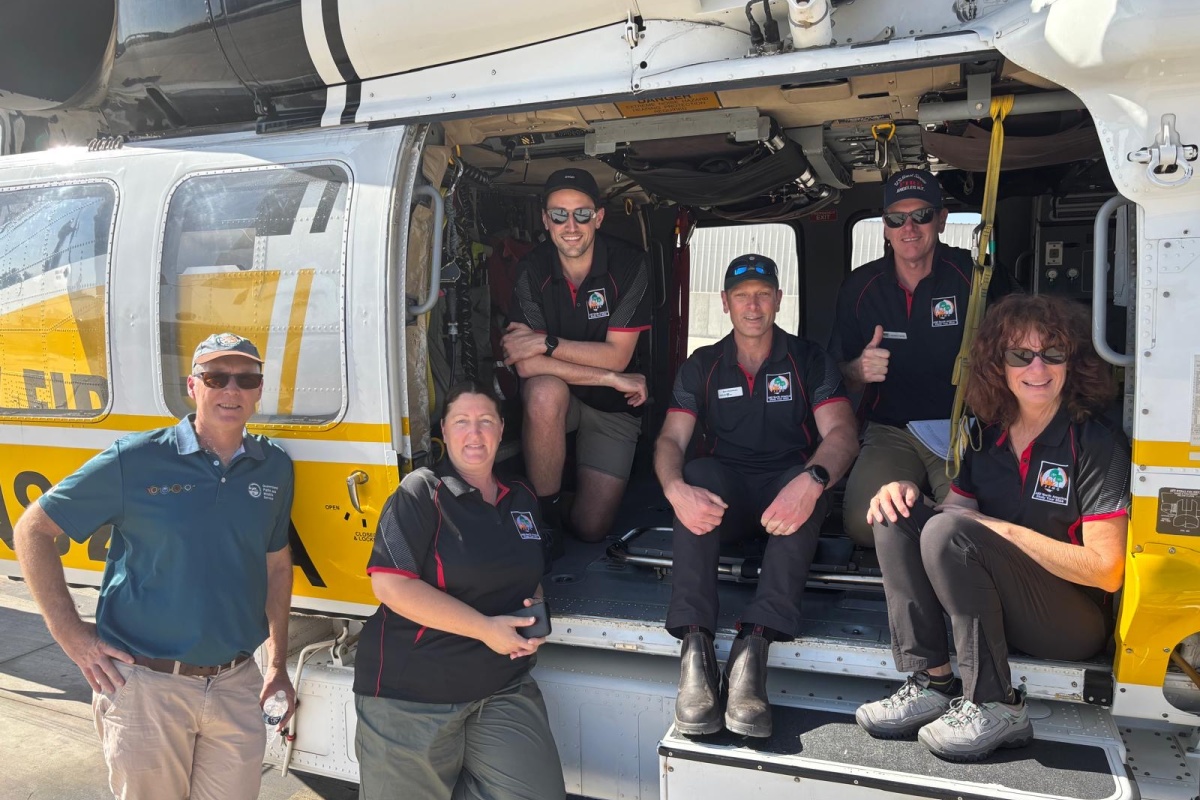
Allison on deployment to assist with Canadian bushfires in 2025.
NOT JUST ABOUT BUSHIFIRE
For Allison, being an incident controller is not just about bushfire, it’s also about people.
“I’m really passionate about people,” she said.
“The people side of it is what inspires me to be an incident controller. You have the opportunity to talk with the community and keep them informed; so that’s something that really attracts me to the space.”
But she’s also deeply aware the stakes are high and that the loss of property, including people’s homes, is a possibility.
“There's also a whole heap of responsibilities in terms of ensuring that the community knows what's going on and making sure that they are safe.”
“You have to be aware that losing houses could be an outcome. But if you can keep people safe, that’s what is most important.”
Stefan de Haan praised Allison’s people skills and the positive impact they have when managing a team through a high-pressure situation.
“Ally has a very outgoing personality and a very upbeat manner which is really good in pressurised situation working with a large team as that just lowers stress levels of those around her,” he said.
“She is also excellent in empowering her team to undertake work and make decisions.”
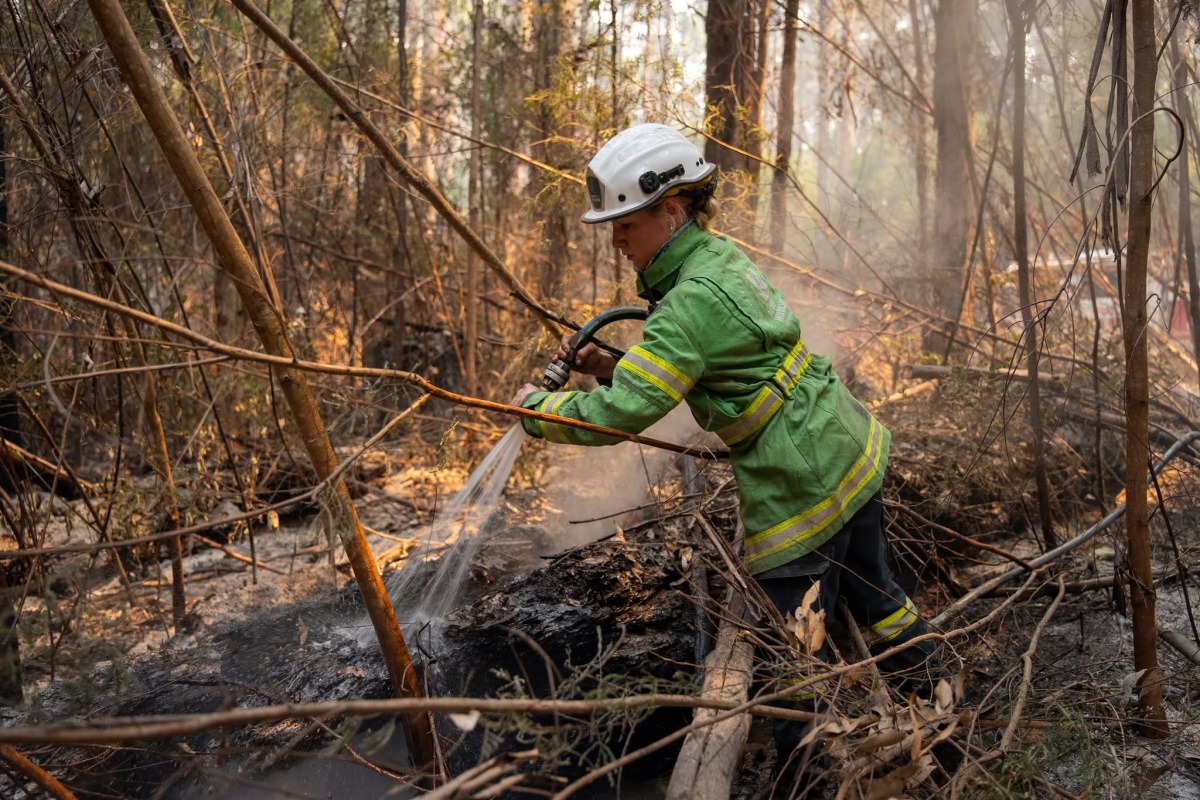
Caption: Women work in all areas of fire management, including on the fire ground. Photo – DBCA.
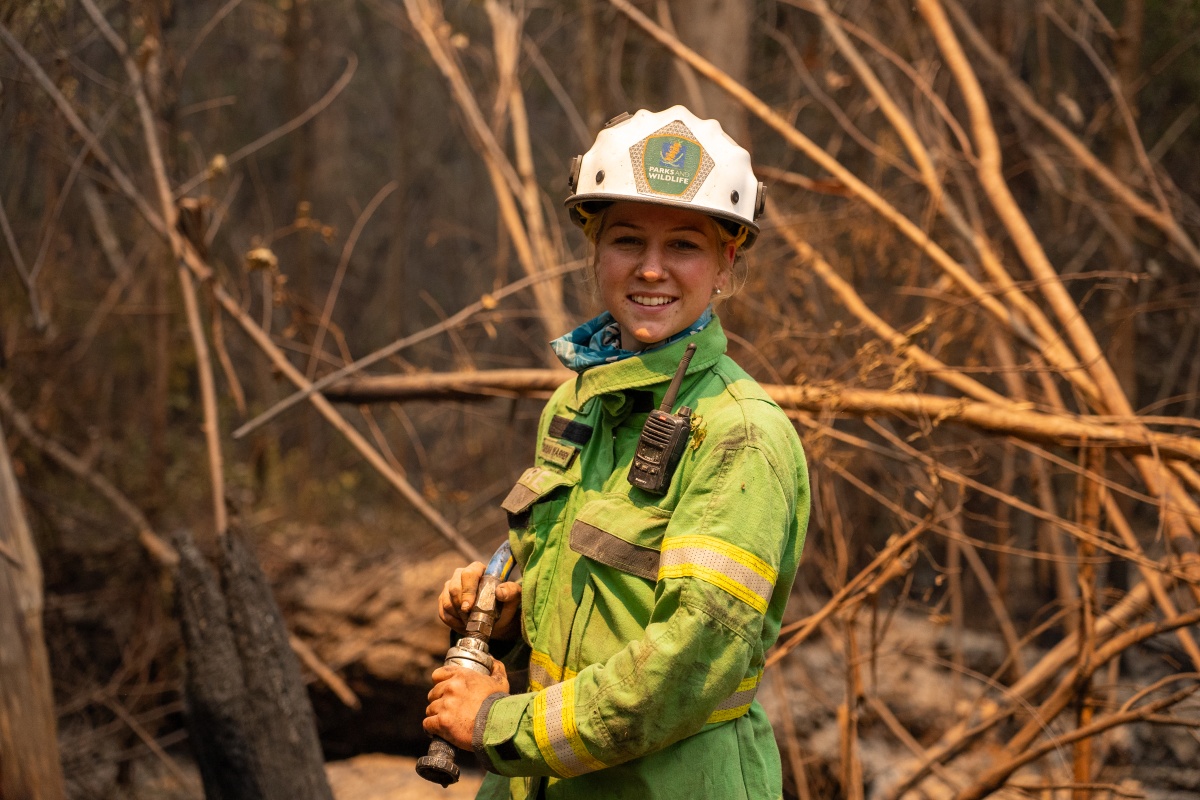
Caption: Women work in all areas of fire management, including on the fire ground. Photo – DBCA.
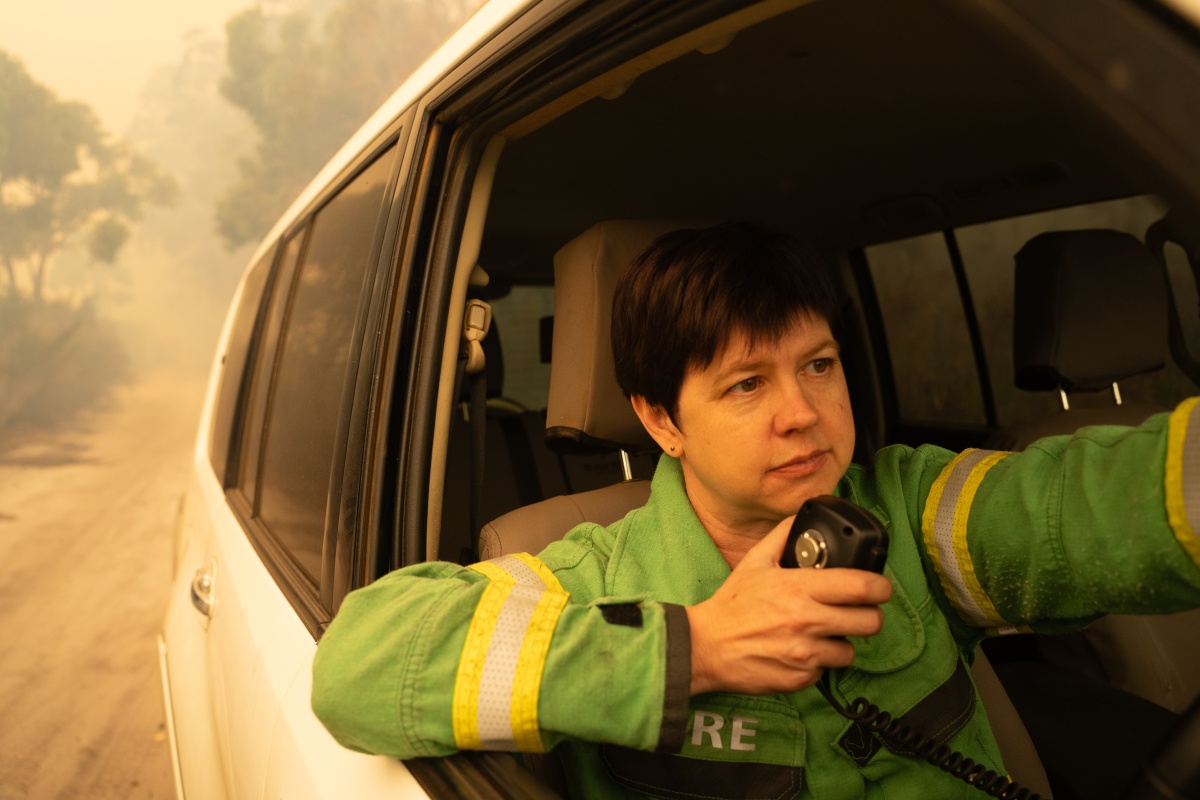
Caption: Women work in all areas of fire management, including on the fire ground. Photo – DBCA.
YOU CAN’T BE WHAT YOU CAN’T SEE
Allison is a passionate advocate for women in fire management, encouraging everyone to get involved and praising those already taking on roles in this traditionally male-dominated field.
“There are some amazing women coming through the fire space. It’s not uncommon now to see women in trucks, and in all levels of the incident management team,” Allison said.
“I hope that women can see that I'm doing it and that they can too.”
As bushfire seasons grow longer and more intense, leaders like Allison Donovan will be critical in shaping the future of fire management in Western Australia.
And with her at the helm, the future looks not only safer, but also more inclusive.