Features in this issue
-
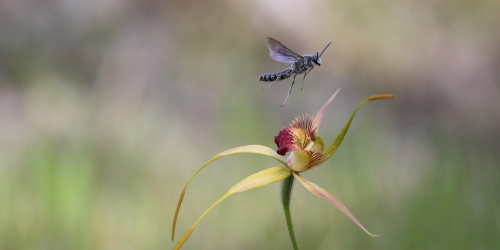
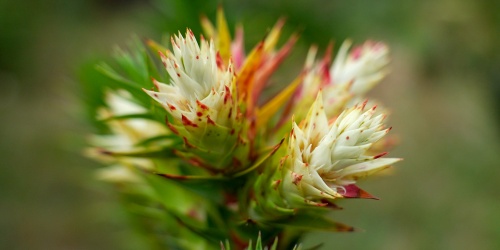
Saving orchids one species at a time
Bringing WA's extraordinary orchids back from the brink of extinction -
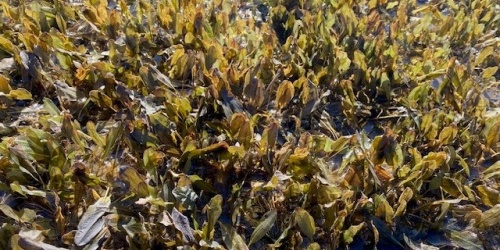
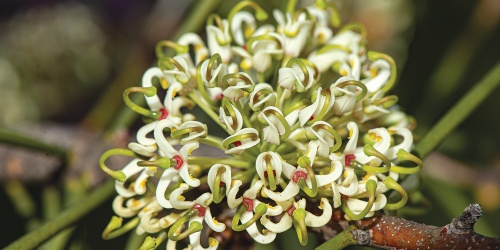
Spotlight on seagrass in the Swan-Canning Estuary
Good things come in small packages -
Looking for Tjakura
How the Wiluna Martu Rangers discovered a rare skink -
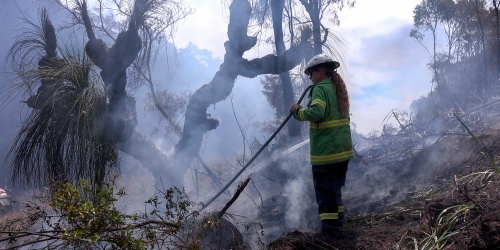
Blazing a trail
WA’s first female Level 3 incident controller -
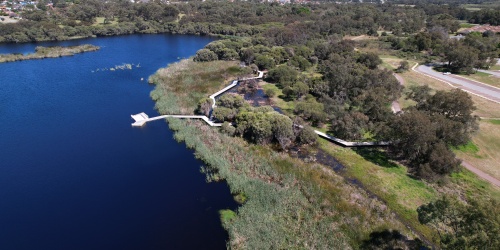
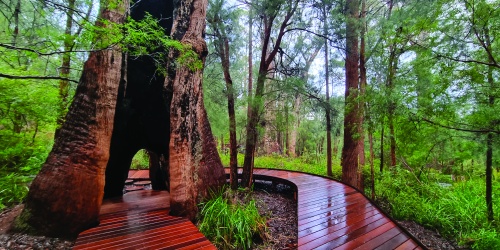
Listening to Lake Goollelal
Designing new accessible facilities in partnership with Traditional Owners -
Understanding a monster
Research on the ecology and threats to the Pilbara olive python
Looking for Tjakura
How the Wiluna Martu Rangers discovered a rare skink
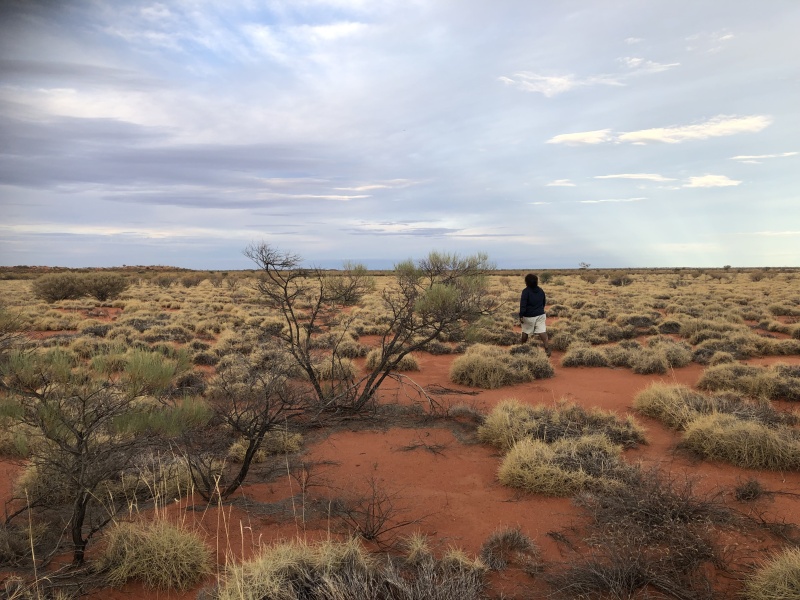
During a national survey of desert wildlife, the Wiluna Martu Rangers searched Matuwa Kurrara Kurrara National Park for animal tracks and discovered tracks from a surprising species.
Indigenous rangers are well known for their incredible tracking skills – reading the sand for the tiny signs that animals leave behind. During a national survey of desert wildlife, the Wiluna Martu Rangers searched Matuwa for animal tracks and recorded what they found. Their results were added to a national database that helps to map where desert animals live across Australia.
But one finding stood out: the rangers discovered tracks belonging to the great desert skink (Liopholis kintorei); known to Wiluna Martu as Tjakura — a species that had not been previously recorded in the area. This discovery suggests that the skink’s range may be wider than scientists once thought.