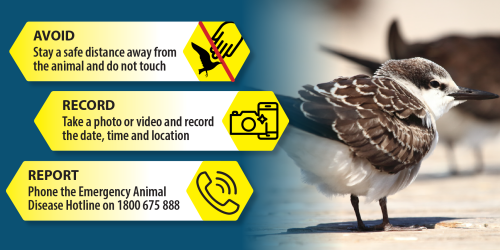
If you see dead or sick birds or marine mammals showing signs of bird flu, you should:
- Avoid contact and keep your distance.
- Record the date, time, location and take photos.
- Report it to the 24-hour Emergency Animal Disease Hotline on 1800 675 888.
Find out more about the signs and how to report.
For more information, visit the Australian Government website at birdflu.gov.au.
DBCA is represented on the National Biosecurity Committee and the H5 bird flu Biosecurity Senior Officers Group Preparedness Working Group and is working closely with DPIRD and the WA Department of Health to ensure a One Health approach across the agriculture, environment and health sectors.
DBCA received $4.485 million from the WA Government to support preparedness activities ahead of a potential incursion of H5 bird flu in Western Australia.
DBCA has undertaken a range of preparedness and response activities including:
- Building awareness and preparedness of H5 bird flu amongst the wildlife sector and other key stakeholders.
- Identifying high-risk species and locations with a focus on preparedness actions, including for captive populations at Perth Zoo.
- Participating in bird flu surveillance under the guidance of DPIRD.
- Monitoring incidents of sick or dead wild birds or mammals and assisting DPIRD with H5 exclusion testing where required.
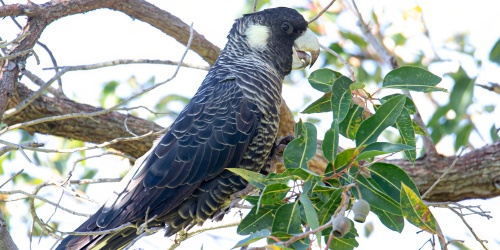
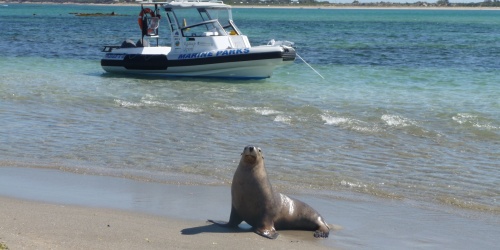
- Implementing resilience and threat mitigation measures for vulnerable species and sites including for Australian sea lions, western ground parrots, black cockatoos.
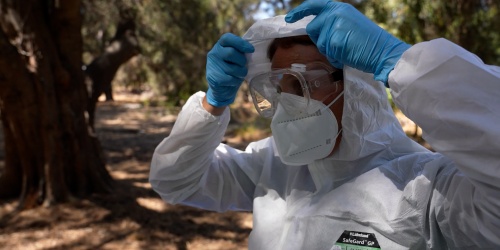
- Major DBCA locations have been supplied with personal protective equipment (PPE), and a stockpile of PPE has been acquired to support biosecurity measures. PPE will be available for DBCA staff and can be provided to wildlife rehabilitators on a needs basis.
- DBCA is continuing to roll out biosecurity training for staff across the State. Staff from Kings Park, Perth Zoo, Rottnest Island as well as Parks and Wildlife Service staff in Perth, Kimberley, Pilbara and South Coast have received in-person training focused on H5 bird flu preparedness and response.