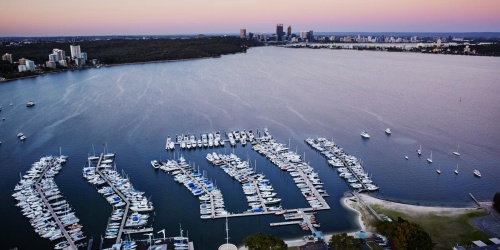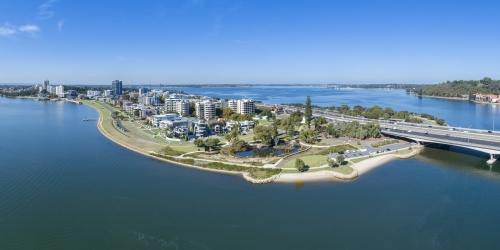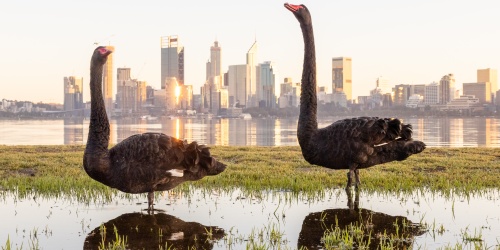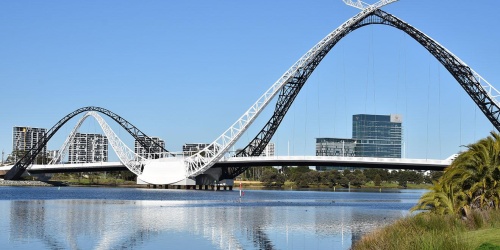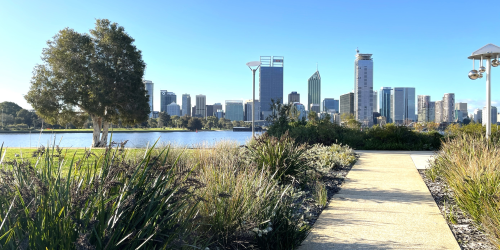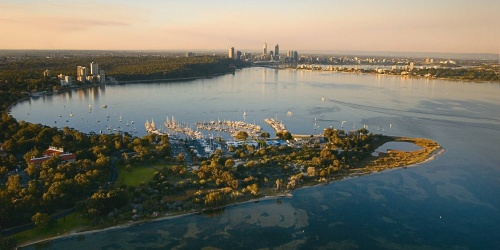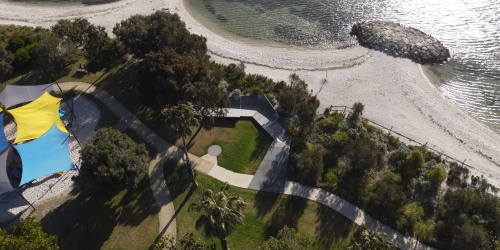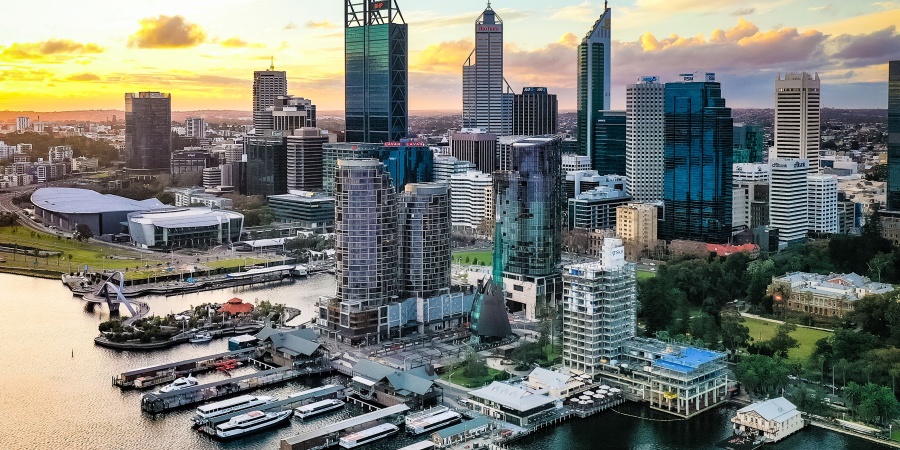
Perth cityscape vista. Photo - Tom Proudfoot
The Swan River Trust (the Trust) is an advisory body established under the Swan and Canning Rivers Management Act 2006. It provides strategic advice to the Minister for the Environment and the Director General of the Department of Biodiversity, Conservation and Attractions (DBCA) on the protection and enhancement of the Derbal Yirragan Djarlgarro (Swan Canning river system).
The Trust operates as a board, meeting nine times each year, and through its diverse membership brings together expertise spanning conservation, natural resource management, planning and development, tourism and recreation, and Noongar community interests.
A key focus of the Trust is promoting collaboration and strategic initiatives that support a healthy river system and the good management of the wider catchment. The Trust supports policies and planning that protect the rivers and provides informed advice on development proposals that may impact them. It recognises that what happens in the catchment, from land use to water flow, directly affects the health of the waterways.
Through oversight of the River Protection Strategy for Derbal Yirrigan Djarlgarro (Swan Canning river system), the Trust supports long-term stewardship and coordinated river management to protect this iconic river system for generations to come.
The below film, Flight of the Swan – a river’s journey from source to sea, created by local filmmaker Ross Tinney, powerfully illustrates the importance of the Swan River and why the Trust advocates for its protection, bringing to life the river’s environmental, cultural and community values. Concerto composed by Tim Count and performed by The Budapest Symphony Orchestra.
River Protection Strategy
The Trust provides strategic leadership for the protection and enhancement of Derbal Yirragan Djarlgarro (Swan Canning river system) through a River Protection Strategy (the Strategy). Required under the Swan and Canning Rivers Management Act 2006, the Strategy provides the overarching framework for catchment-wide management to support a healthy and resilient river system.
The Strategy is forward-looking and sets a clear, long-term vision for Perth’s rivers, uniting partners, community and river managers to protect and enhance this iconic river system now and into the future.
‘A healthy, thriving river system for nature and people, to be cared for and enjoyed as the heart of our community.’
The Strategy recognises the distinctive environmental, cultural, social and recreational values the rivers hold for both residents and visitors. It is underpinned by scientific evidence, robust monitoring, and adaptive management practices that respond to challenges such as climate change, urban development, and ecological pressures.
The Strategy sets publicly reported objectives, coordinated management strategies and measurable targets to promote transparency and accountability. This enables progress to be tracked, and the effectiveness of management actions to be assessed over time.
Key features of the River Protection Strategy include:
- A long term vision for the protection and enhancement of the river system
- Collaborative objectives, strategies and measurable targets
- Biennial reporting to the Minister for the Environment
- A forthcoming shorter term implementation plan that defines actions, aligns stakeholder efforts and supports adaptive, evidence driven management
Through the Strategy, the Trust:
- Supports and promotes stakeholder actions across the Riverpark and broader catchment that protect and improve river health and community amenity
- Drives collaboration by coordinating actions across partners and promoting shared responsibility for the river system.
Strategic focus area
The Derbal Yirragan Djarlagarro (Swan Canning river system) is more than a network of waterways and wetlands, it’s a living system that shapes Perth’s identity, supports community wellbeing, and underpins the city’s liveability. It is a place where culture, nature and people come together, providing significant ecological, cultural, social and economic value.
Today, the river system faces increasing pressures, including climate change, population growth, pollution, rising recreational demand, and catchment‑scale land‑use impacts. These challenges make coordinated, long‑term and adaptive management essential.
The River Protection Strategy for Derbal Yirrigan Djarlgarro (Swan Canning river system) sets the strategic focus areas of the Trust by identifying key river values and the enablers required to protect and enhance the river system. These are:
- Environmental Protection and Resilience - Protect and enhance biodiversity, ecological integrity, and foreshore health through adaptive management and revegetation, building resilience to climate change and other emerging threats.
- Water and Catchment Management - Ensure sustainable water quality and quantity management through integrated catchment management practices that support ecological and cultural values across waterways and wetlands.
- Cultural and Community Connection - Foster inclusive, culturally respectful spaces within the river system that support recreation, relaxation, and community wellbeing, while strengthening connections to Noongar culture, heritage, knowledge and values.
- Resourcing and Investment - Secure ongoing and sufficient funding to enable improved management, innovation, and delivery of strategic outcomes across the river system.
- Engagement and Collaboration - Promote meaningful engagement and collaboration across stakeholders, including Aboriginal partners, government, and community, to align efforts and amplify collective impact.
- Policy, Planning and Governance - Support policy and planning frameworks that protect and enhance the ecological, cultural, and social benefits of the river system, ensuring inclusive and enduring management.
- Knowledge-Driven Adaptive Management Implement evidence - based strategies supported by monitoring, evaluation, and transparent reporting, with measurable targets guiding progress toward long-term objectives.
Development and river policy
In addition to oversight of the River Protection Strategy for Derbal Yirrigan Djarlgarro (Swan Canning river system), the Trust provides advice on policy and development that supports the protection and enhancement of the ecological, cultural, and social benefits of the river system, ensuring inclusive and enduring management.
The Trust provides recommendations to the Department of Biodiversity, Conservation and Attractions (DBCA), and the Minister for the Environment, on development proposed wholly within the Swan Canning development control area (DCA) in accordance with Part 5 of the Swan and Canning Rivers Management Act 2006. The Trust also provides advice to the Western Australian Planning Commission, and local governments, on developments partly within, adjacent to, or likely to affect waters within the DCA, in accordance with the Metropolitan Region Scheme. Visit the Swan Canning Riverpark permits, planning and development webpage for further information.
The Trust supports the development of policies for the protection and enhancement of the ecological and community benefits and amenity of the DCA. The Trust and DBCA have a suite of co-endorsed policies. Visit the Policies, plans and guidelines webpage for further information.
Other key responsibilities
The Trust recognises the need to protect and enhance the Derbal Yirragan Djarlagarro (Swan Canning river system) both for its intrinsic environmental and cultural value, and as a vibrant, inclusive space for people and nature. A healthy river system supports ecological integrity and community wellbeing, providing places to swim, paddle, fish, connect with nature, and connect.
The rivers are rich in biodiversity and cultural significance, and their health is shaped by land and water management practices across the catchment. The Trust’s approach is grounded in sustainability, with an advocacy role that supports balanced river management by considering ecological, cultural, community, and stakeholder interests to ensure the long‑term protection and enjoyment of the river system.
The Trust’s achieves this through their responsibilities for:
- River reserve management
- The Trust is vested with the care, control and management of the River reserve. As the vesting authority, the Trust provides advice that balances community access, public amenity and enjoyment, with the protection of ecological values.
- Provision and acquisition of river foreshores
- The Trust provides advice to support provisions being made within planning schemes for the protection and acquisition of river foreshores, protection of public use of land and waters, and protection of wildlife habitat.
- Networking and representation
- The Trust undertakes representative and engagement activities to support collaboration in river management, including engagement with other boards, and at executive and ministerial levels.
DBCA provides operational support to the Trust in delivering its functions and responsibilities.
Meetings and governance
The Trust meets approximately every six weeks. These meetings enable board members to receive updates on river management matters and provides a forum for the provision of expert advice. Meetings are attended by board members and DBCA representatives and, as required, by other key river management stakeholders. Meeting schedules and governance arrangements are outlined by DBCA and the Swan and Canning Rivers Management Act 2006.
The Trust prepares an annual report each year outlining its role, activities, and performance. Previous reports are available in the downloads section below and on the Swan River Trust Annual Report webpage.
Board meeting dates for 2026
10 February 2026
24 March 2026
5 May 2026
16 June 2026
28 July 2026
8 September 2026
20 October 2026
1 December 2026
Board membership
The Trust Board brings together expertise across conservation, natural resource management, planning and development, tourism and recreation, and Noongar community interests.
The Board comprises eight members, including one appointment from the recommendation of the Western Australian Local Government Association and one appointment from the recommendation of the CEO of the department administering the Planning and Development Act 2005 (the Department of Planning, Lands and Heritage). The remaining six members, including the Chair and the Deputy Chair, are directly appointed by the Minister for the Environment. Members are appointed for terms not exceeding three years and are eligible for reappointment.
The Trust Board members are:
Image
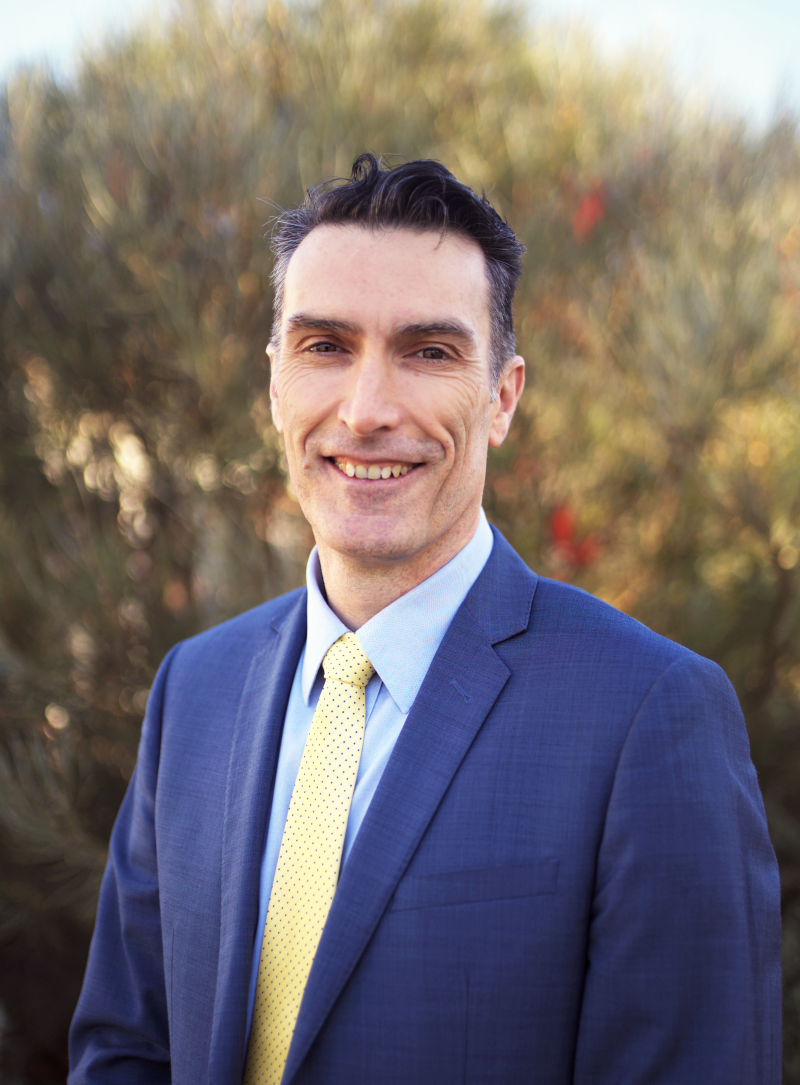
| Mr David McFerran is currently a Director of McFerran Advisory, an independent property, planning and projects consultancy providing project and development management services, planning and property advice to a range of government and private sector entities. He has previously held senior positions in several State Government agencies and departments and has significant experience in policy development along with providing advice to Ministers. As a former business manager at DevelopmentWA, he has extensive experience in land use planning, statutory and strategic planning, property development as well as stakeholder and community consultation. David was a previous Director of Western Dairy and has completed a Bachelor of Science (Agriculture) degree with Honours from The University of Western Australia (1996) and is a Graduate of LeadershipWA Signature Program (2013). David was appointed Chair of the Trust in May 2023. |
Image
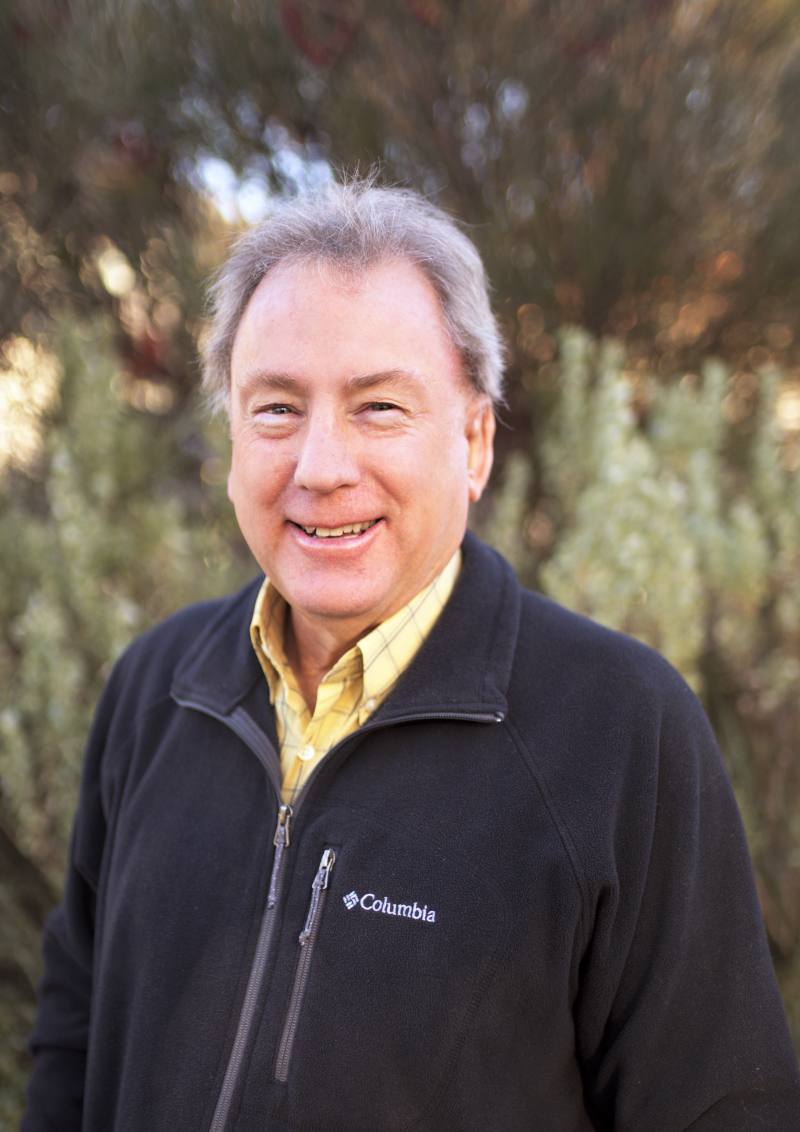
| Mr Peter King currently consults to the Western Australian resources industry on the development and approval of large State significant projects. He has held senior positions in several State Government agencies, including the former Department of Agriculture, the former Department of State Development, and the Pilbara Ports Authority; as well as local resource companies and consultancies. Peter has also had overseas postings in the Middle East and Subcontinent. His areas of interest include agriculture, natural resource management, land use planning, project facilitation, infrastructure planning and development. He is very experienced in State approvals processes and facilitating development of major resource projects and port infrastructure in the Pilbara. Peter has a Bachelor of Science (Hons) from the University of Western Australia. Peter was appointed to the Trust Board in October 2016, and appointed Deputy Chair in May 2023. |
Image

| Ms Tracy Shea has held a range of policy, advisory and leadership roles across State government in environment, conservation, recreation and nature-based tourism during a career spanning 38 years, with the last 10 spent as an assistant director in parks and visitor services at the Department of Biodiversity, Conservation and Attractions. After retiring from the department in 2018, Tracy has focused on running her own business Tracy Shea Communications plus her short-term accommodation property in Bridgetown. In recent years Tracy has also worked in the not-for-profit sector where she developed and activated the Spring into Parks program for the WA Parks Foundation. Tracy is a Park Ambassador for the Foundation and continues to volunteer with programs that showcase the health benefits of spending time in nature. A longstanding board member of FACET (Forum Advocating Cultural and Eco-Tourism Inc.), Tracy took over as Executive Officer in July 2020. She also volunteers her time as Secretary of Geoparks WA and as a judge in the annual WA Tourism Awards. Tracy was appointed to the Trust Board in May 2023. |
Image
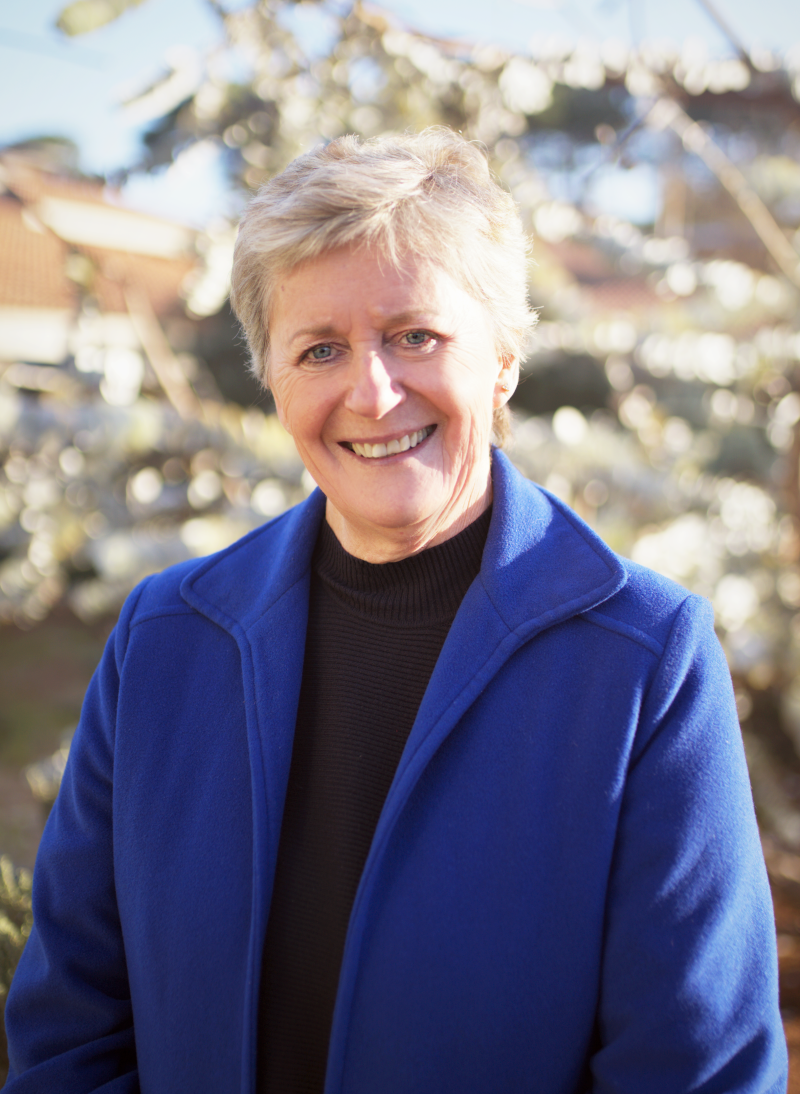
| Ms Marenée Provost has worked in a diverse range of positions, including 21 years with the former Department for Child Protection, 10 years in the disability sector in senior management and overseeing projects involving architectural design and extensive building development for people with severe disability. Marenée has significant expertise in managing community-based projects and working in partnership with others which has been fundamental to the successful outcomes achieved. These projects have been diverse in nature with many being based in rural and remote areas of Western Australia, ensuring particular emphasis has been placed on achieving positive outcomes for Indigenous people and their communities. Marenée was appointed to the Trust Board in September 2018. |
Image

| Cr Sara Saberi is an experienced board member with expertise in local government as an elected member and technical experience as an officer. Elected to the City of Canning Council in 2017, she is passionate about environmental matters and support for a number of local community and sporting groups. Sara has a range of qualifications including a Bachelor of Science in Environmental Management and a Graduate Diploma in Environmental Health. Sara is also a member of the State Bushfire Advisory Council and Chair of a Local Emergency Management Committee. Sara was appointed to the Trust Board in July 2018. |
Image
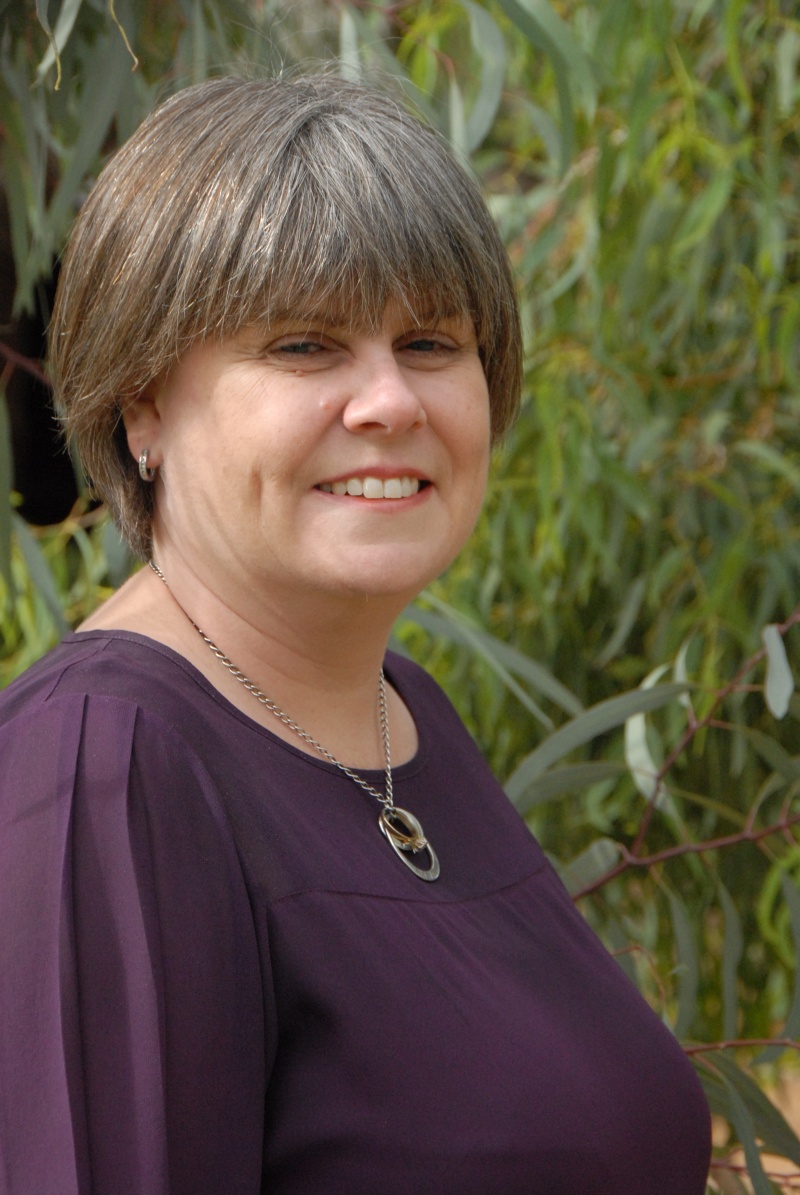
| Ms Jacquie Stone is an urban planner with 30 years’ experience, having worked in both the State and local government sectors. She is currently the Executive Director of Policy at the Department of Planning, Lands and Heritage, where responsibilities include overseeing policies on water, wetlands, native vegetation, coastal, bushfire, climate change, public open, tourism and Crown land management. Jacquie was appointed to the Trust Board in September 2018. |
Image
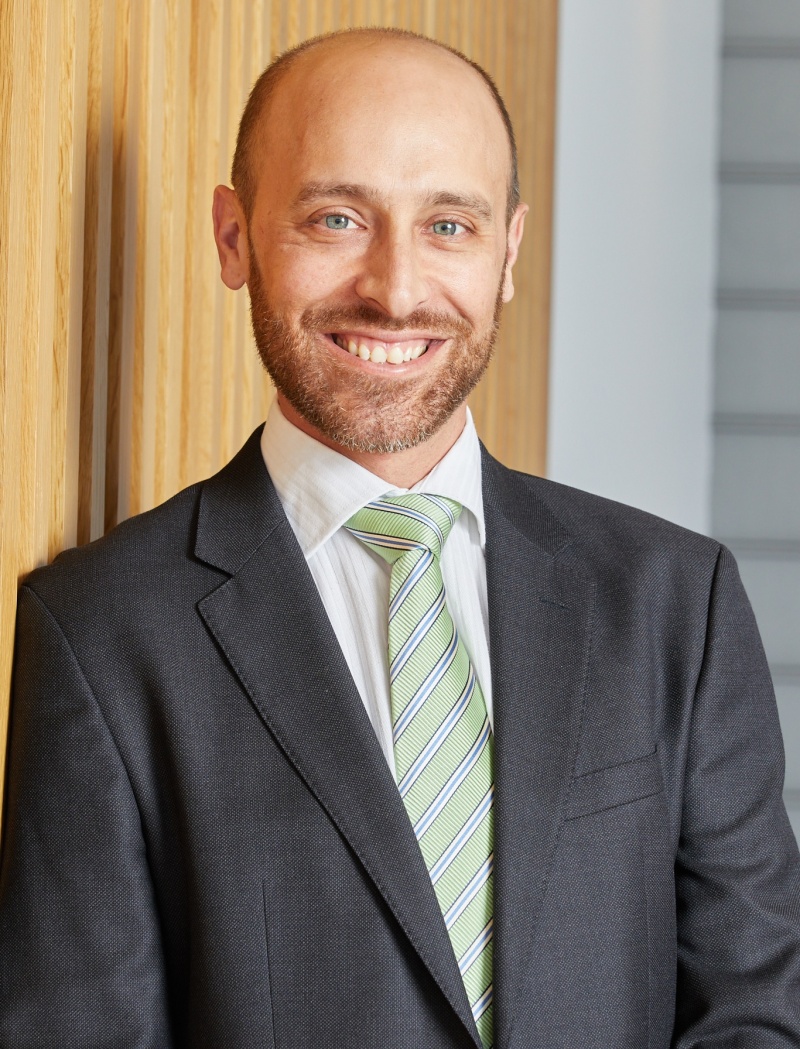
| Mr Michael Voros is a Partner of Ashurst law firm. He is a leading lawyer for environment, climate change, planning and related issues. This includes that he acted for the WA State Government for all environment, planning and water matters for the construction of the new Perth Stadium. He enjoys experiencing Perth's beautiful rivers with his family. In particular he is a keen cyclist and loves the opportunity to cycle around our rivers. Michael was appointed to the Trust Board in March 2024. |
Image
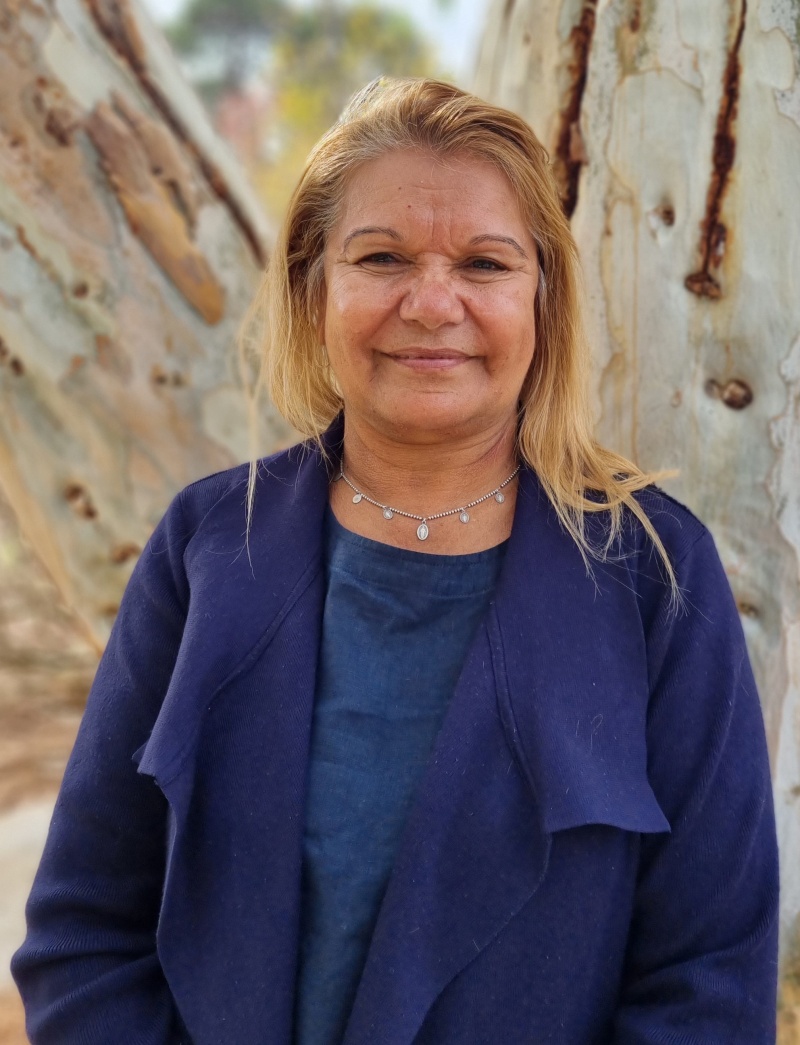
| Ms Rosemary Walley is a Whadjuk Noongar woman with connections to other clans throughout the south-west of WA. She holds a Bachelor of Applied Science in Aboriginal Community Management and Development, and a Masters of Philosophy (Health Sciences). As well as her research and studies, Ms Walley, as a part of Kambarang Services, works as a cultural awareness trainer and assists organisations in developing Reconciliation Action Plans. Ms Walley also worked as a Researcher at the Telethon Kids Research Institute. She also lectures in social work courses and delivers workshops and keynote addresses to various health conferences throughout Australia. Rosemary was appointed to the Trust Board in March 2024. |
Contact details
For further information or to contact the Trust, please reach out to us via:
Email: srt-board-support@dbca.wa.gov.au
General enquiries about river management: rivers.info@dbca.wa.gov.au
Phone: (08) 9278 0900
Downloads
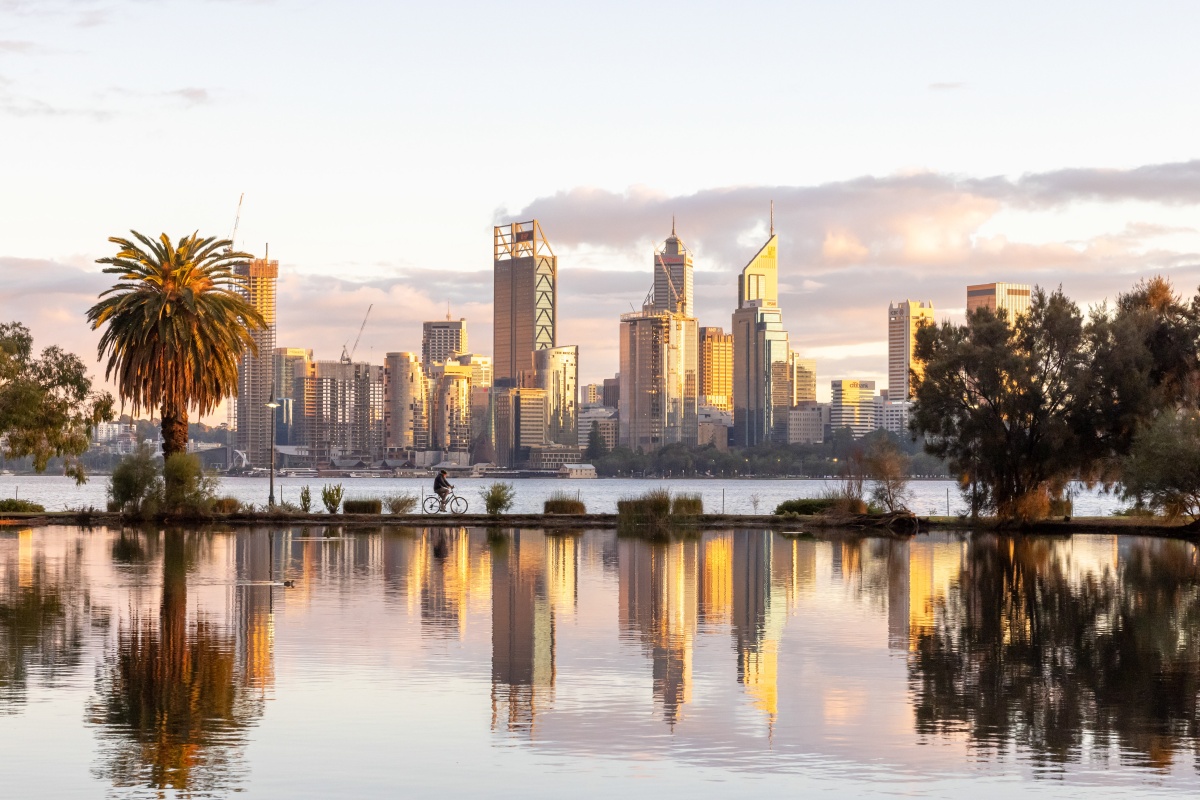
Lake Hurlingham. Photo - Veronica Mcphail
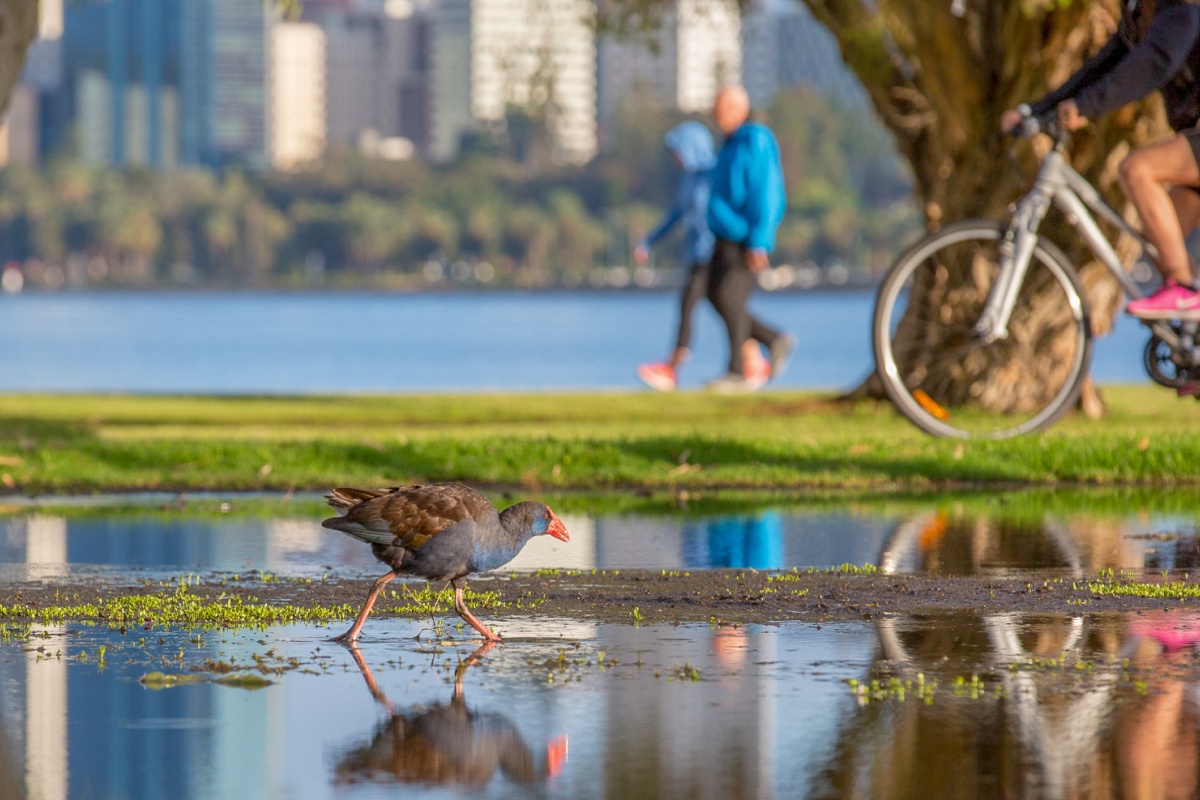
Water hen, South Perth cyclist and walkers. Photo - Veronica McPhail
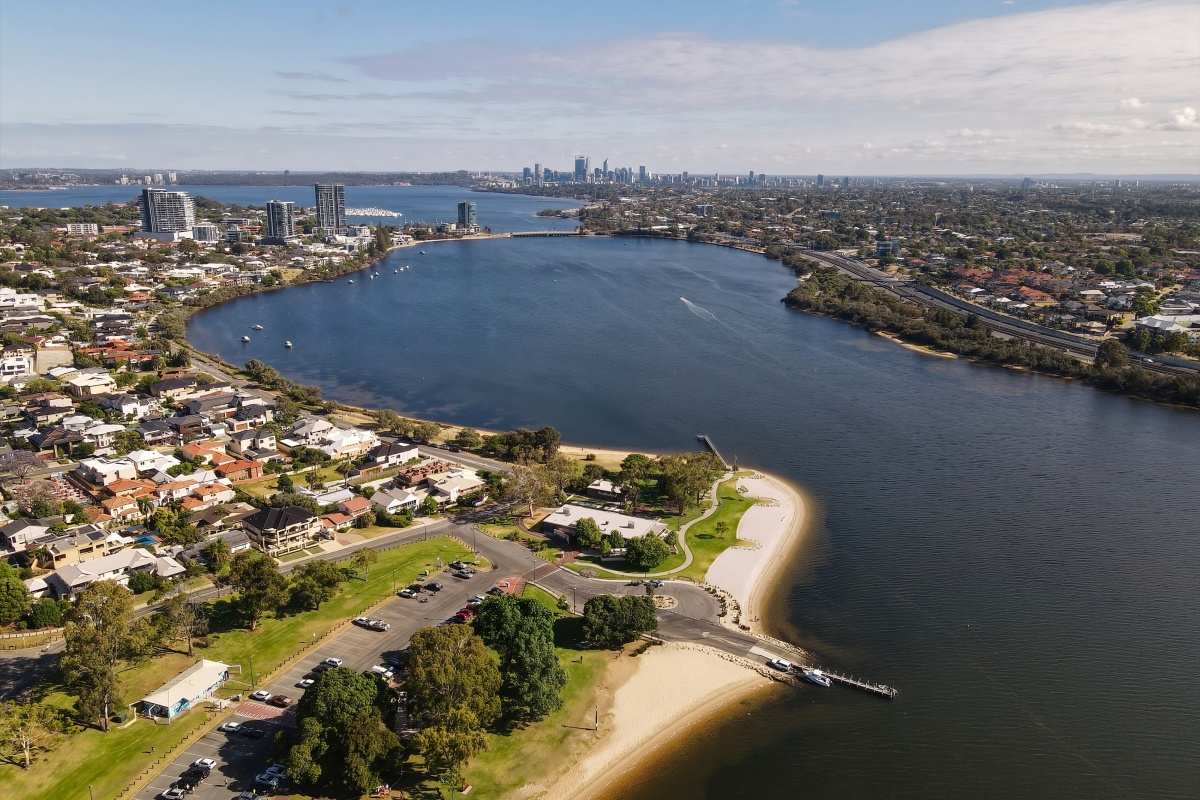
Deep Water City in background. Photo Gary Williams
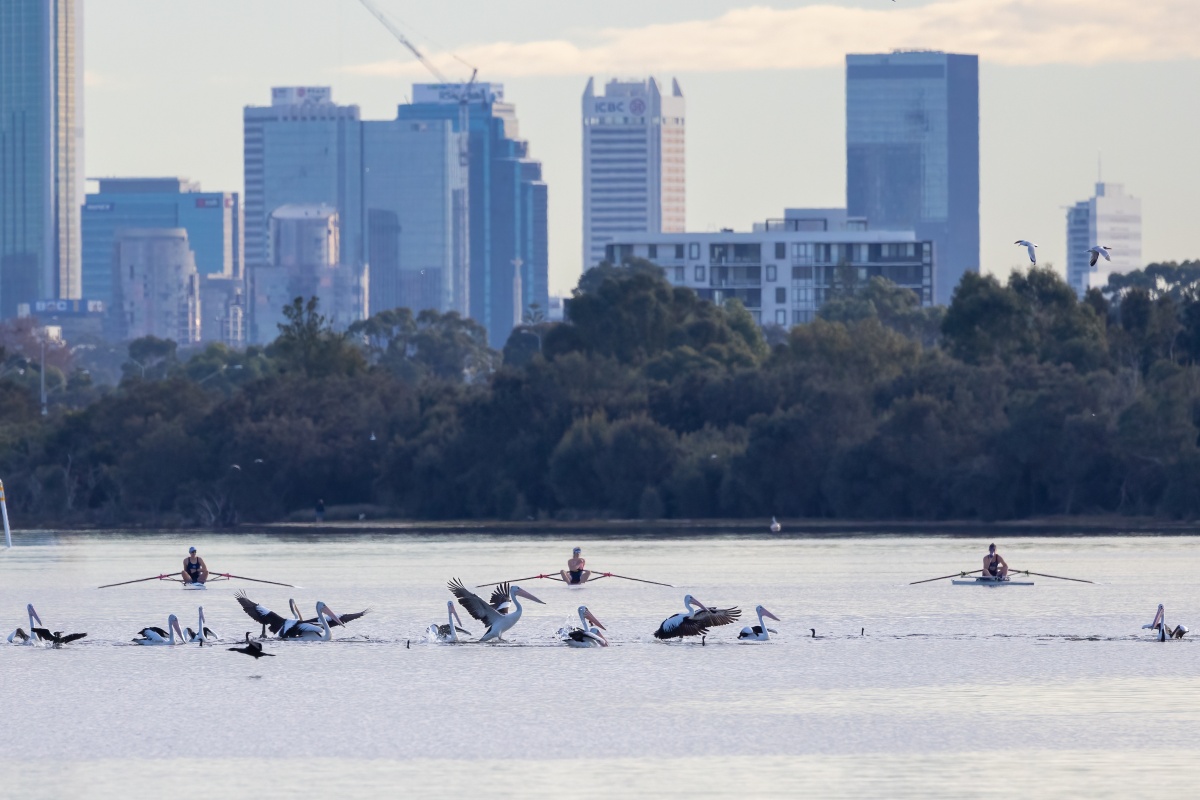
Rowing with pelicans in Perth waters. Photo - Sue Harper
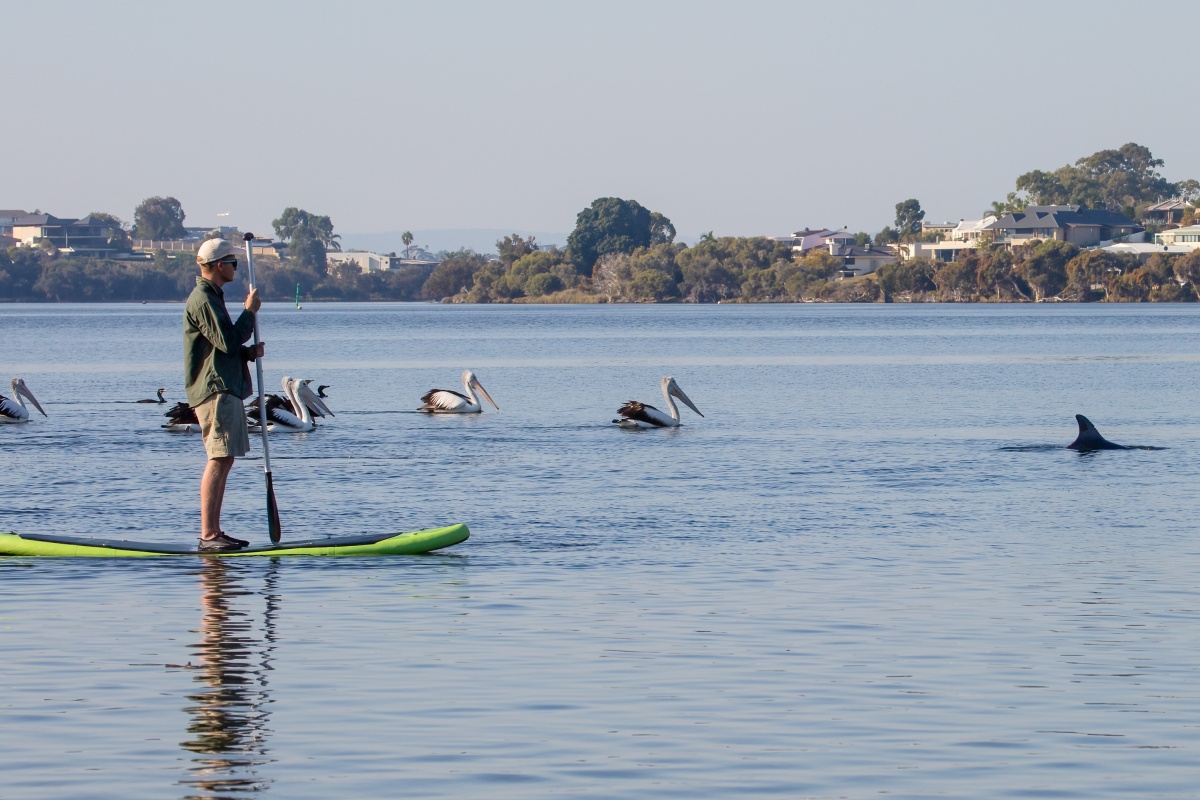
Paddle board, birds and dolphins. Photo - Sue Harper