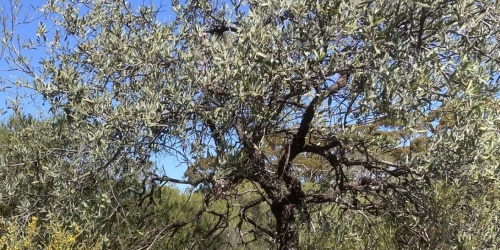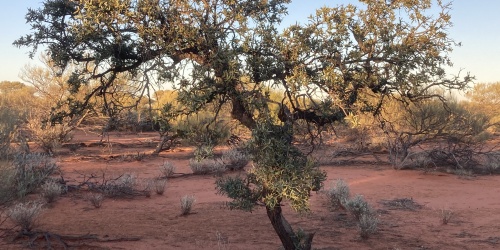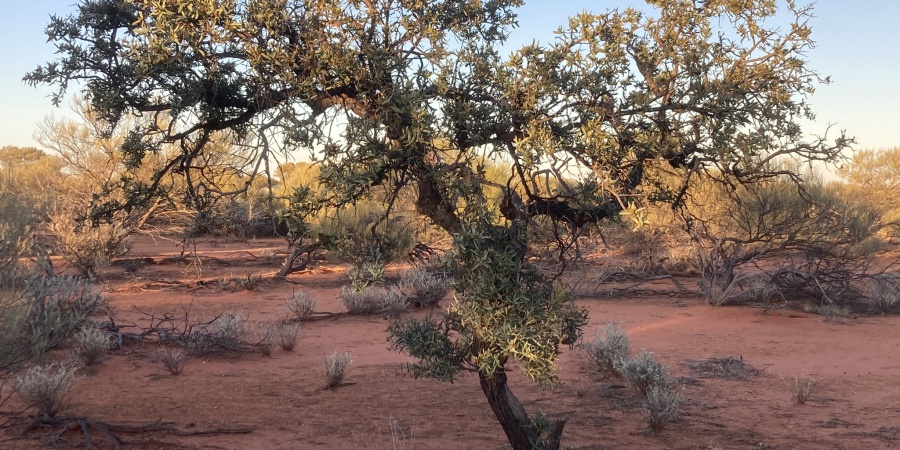
Sandalwood tree. Photo - DBCA
A Review of the Sandalwood (Limitation of Removal of Sandalwood) Order (No. 2) 2015, 2026 Draft Review Report (Draft Review Report) and an accompanying Review of the Sandalwood (Limitation of Removal of Sandalwood) Order (No. 2) 2015, 2026 Draft Technical Report (Draft Technical Report), released in April 2026, were open for public comment on 6 July. The public comment period closed at 4pm on 31 August 2026.
Next steps
Now that the public comment period has been completed, the next steps include:
- DBCA will produce a summary of public submissions on the review of the 2015 Sandalwood Order (this will be publicly released).
- The Independent Panel will review and provide advice to DBCA after the public comment period and the Panel’s conclusions and recommendations will be publicly released in a written report following the public comment period.
- DBCA will finalise and publish a Review Report and Technical Report.
- Following parliamentary processes, it is intended that a new Sandalwood Order will be set. A new Sandalwood Order is subject to disallowance in Parliament.
How to contact us
If you still have questions or wish to discuss the Sandalwood Order review, you can contact us through the options below:
- by phone to (08) 9219 9000 and ask to speak to someone from the Sandalwood Project Team. Meetings can be arranged on request.
- by email to sandalwood@dbca.wa.gov.au
- in writing to:
- Sandalwood Project Team
Conservation and Ecosystem Management Division
Department of Biodiversity, Conservation and Attractions
Locked Bag 104
Bentley Delivery Centre WA 6983
- Sandalwood Project Team
Please note:
- any correspondence received by mail may result in a delayed response due to postal delivery times.
- refer to the information sheets, as well as other information in the download section below.
How is sandalwood being managed?
DBCA’s Santalum spicatum (Sandalwood) Biodiversity Management Programme seeks to conserve, maintain or re-establish self-sustaining wild sandalwood populations across its distribution in Western Australia. The programme prescribes objectives, strategies and actions that will be achieved through information gathering, identifying and mitigating threats, regeneration processes and providing for an ecologically sustainable level of wild sandalwood use (harvest).
Sandalwood is culturally important to Aboriginal people who have used it as a food source and medicine for thousands of years, and cared for sandalwood as an integral part of their connection to and caring for Country. Sandalwood is also economically valuable and is commercially harvested for the aromatic oils contained in the heartwood.
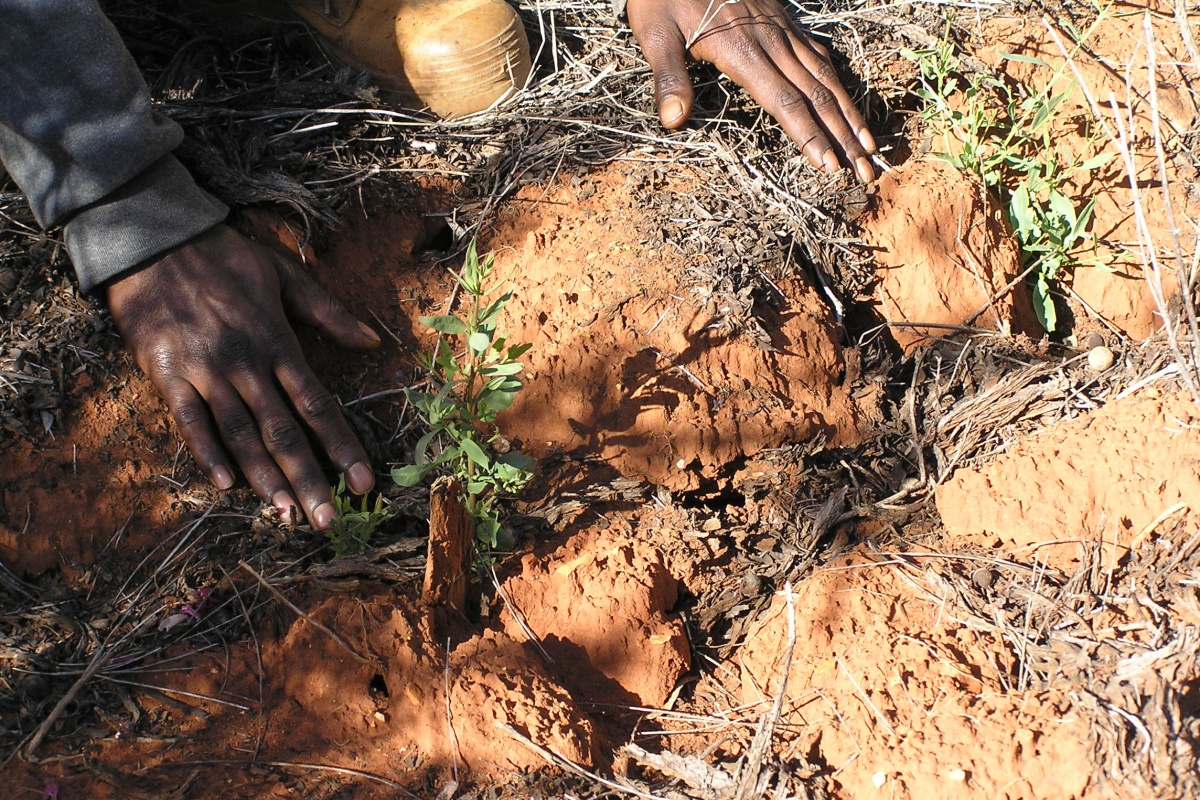
Traditional Owner with sandalwood regeneration at Mungilli in the Goldfields Region. Photo – Ian Kealley
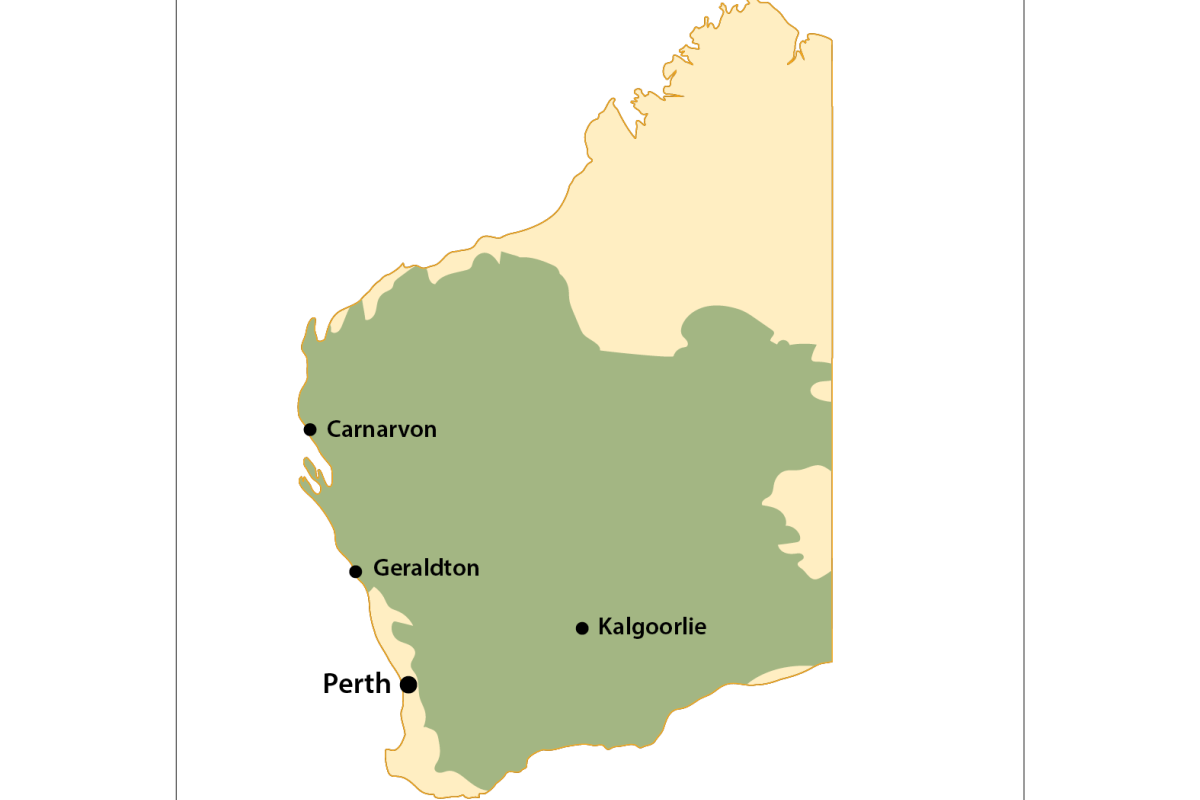
Wild sandalwood distribution map in Western Australia
What is the Sandalwood Order?
The maximum quantities of wild sandalwood (Santalum spicatum) that may be taken/harvested in Western Australia are set in the Sandalwood (Limitation of Removal of Sandalwood) Order (No. 2) 2015 (2015 Sandalwood Order). The 2015 Sandalwood Order continues to have effect until 31 December 2026.
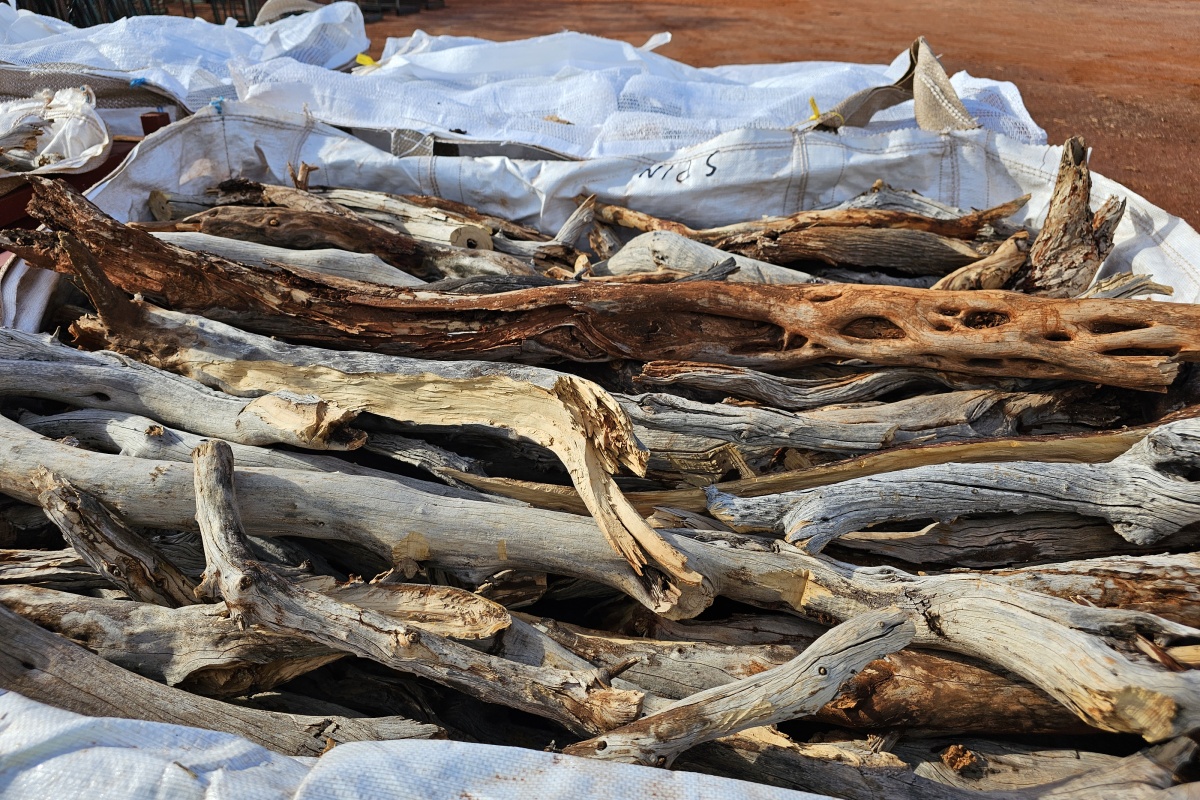
Harvested dead sandalwood stacked ready for transport. Photo – DBCA
Why is there a review of the Sandalwood Order?
The review of the 2015 Sandalwood Order is necessary to enable the Minister for the Environment to set a new Order to apply from 2027, to ensure quantities harvested are appropriate for the protection, conservation and ecologically sustainable use of wild sandalwood populations. Refer to the Sandalwood Order Review Process Infographic and/or the Scope of works for the review of the Sandalwood (Limitation of Removal of Sandalwood) Order (No. 2) 2025 (Scope of works) for more information.
What feedback on sandalwood management has been received to date?
Since commencing the review of the 2015 Sandalwood Order, DBCA has been receiving feedback from various stakeholders and Aboriginal people. DBCA has been and remains committed to ongoing consultation throughout the review process and interactions with stakeholders and Aboriginal people, as well as collation and analysis of best available information. This has been informative in helping shape the review process.
Refer to Summary of feedback received since the release of the Scope of works for an overview of feedback received to date. In addition, the Draft Review Report itself contains an appendix with a summary of various other consultation processes.
Downloads