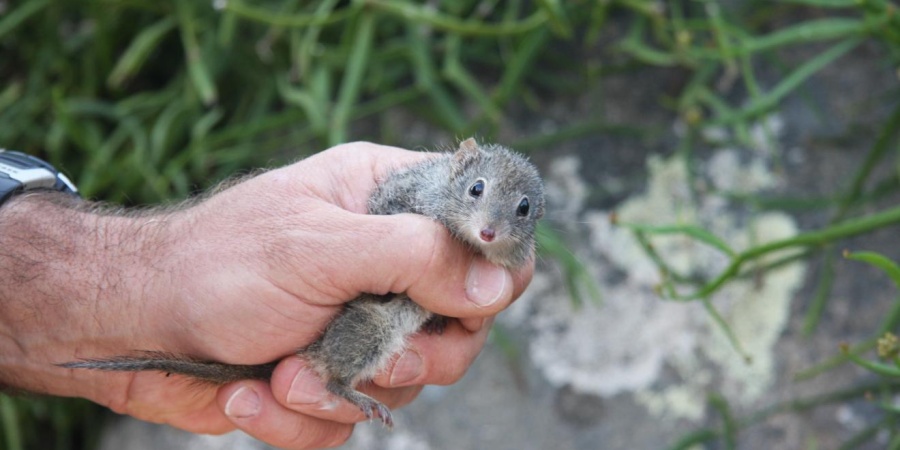
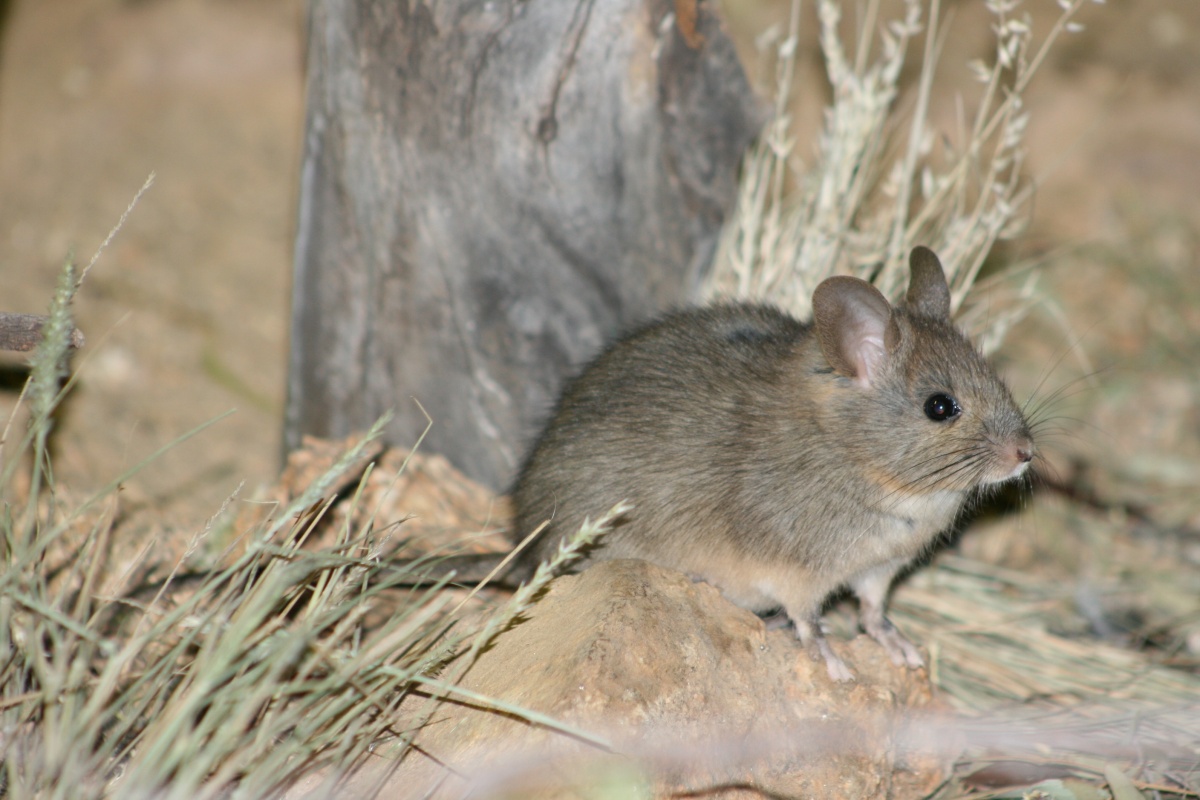
Dibbler
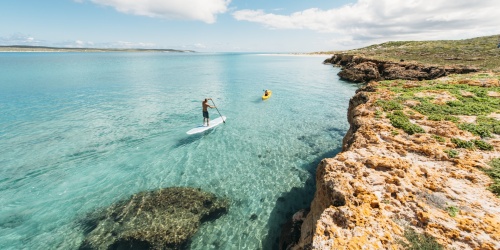
The Return to 1616 project is rebuilding Wirruwana’s native mammal community through one of the largest fauna reconstruction programs in Australia. Native animals began returning to the island in 2017, and each year new species are added as habitat becomes suitable and monitoring confirms it is safe to do so.
Nine species have now been successfully returned:
- banded hare wallaby (2017)
- rufous hare wallaby (2018)
- Shark Bay bandicoot (2019)
- dibbler (2020)
- greater stick nest rat (2021)
- Shark Bay mouse (2022)
- western grasswren (2023)
- brush tailed mulgara (2024)
- woylie (2025)
These animals play an important role in restoring the island’s ecology. Their natural behaviours—such as digging, foraging, hunting, grazing and seed dispersal—help rebuild soils, regenerate vegetation and maintain a balanced ecosystem.
Translocation sources and sustainable harvesting from wild populations
Animals are selected for translocation for two reasons:
- Species conservation – creating additional secure populations to reduce extinction risk.
- Fauna reconstruction – returning species that help restore ecological processes such as soil turnover, seed dispersal and vegetation shaping.
To support both aims, DBCA staff developed a long term translocation framework guiding animal movements from 2018 to 2030.
DBCA chooses each species carefully, based on whether it will help restore the island’s natural ecology or whether creating an extra population will improve the species’ long term survival.
Animals come from a variety of places, depending on where healthy, strong populations live. For some species, nearby Shark Bay islands—Bernier, Dorre and Salutation—provide ideal source animals. Others may come from mainland populations, wildlife sanctuaries or captive breeding programs such as Perth Zoo’s dibbler breeding program.
Before any animals are moved, surveys are carried out to make sure the source population is healthy, genetically diverse and large enough to allow animals to be collected safely. Scientists also consider the best time of year to move each species, how species interact with one another and what conditions they need to thrive once released on Dirk Hartog Island.
Careful planning also ensures species are reintroduced in an order that supports their success. For example, boodies and woylies prefer similar habitat, so they will be released in separate areas to give both species the best chance to establish. The chuditch, a native predator, can only be returned once its prey species are well established on the island, which is now considered to be after 2030.
Monitoring the success of reintroduced fauna
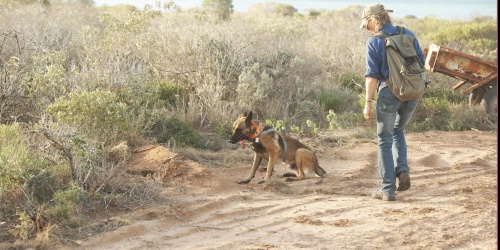
Once animals are released, DBCA teams monitor them closely to make sure they settle in, survive and begin to breed. This is done using a range of methods such as motion sensor cameras, tracking collars, trapping and release surveys, and nest or burrow checks.
Monitoring also helps scientists understand how each species uses the landscape, how far they travel, where they choose to live and how they interact with other animals. This information guides future releases and helps ensure each species becomes part of a stable, thriving community on the island.
Future species planned for return
Two more mammals will complete the fauna reconstruction program: the boodie and the chuditch. The boodie will be released between 2026 and 2029, and the chuditch will be released at a later date once the other species populations are robust enough to support predation by the chuditch.
Once all planned species are established, Dirk Hartog Island will once again support one of the most diverse native mammal communities in Western Australia—a major step toward restoring this special place to its ecological condition in 1616.
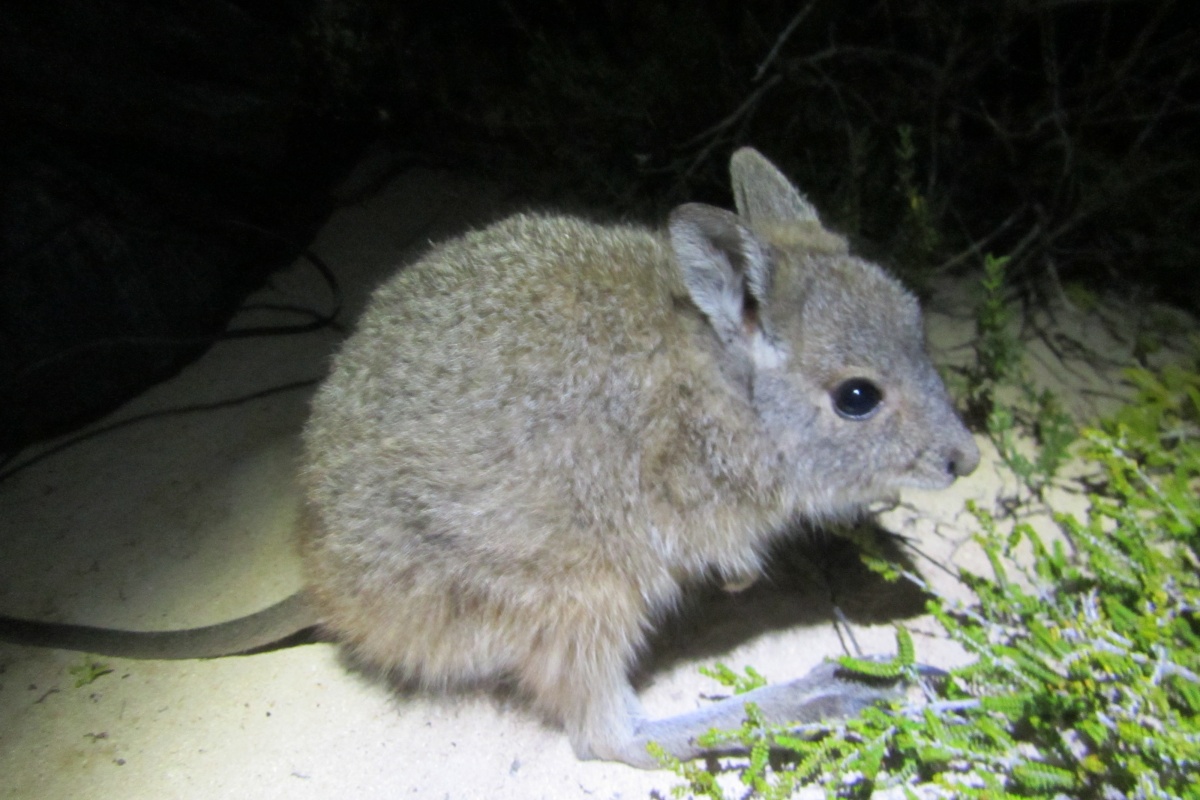
Rufous hare-wallaby. Photo by DBCA
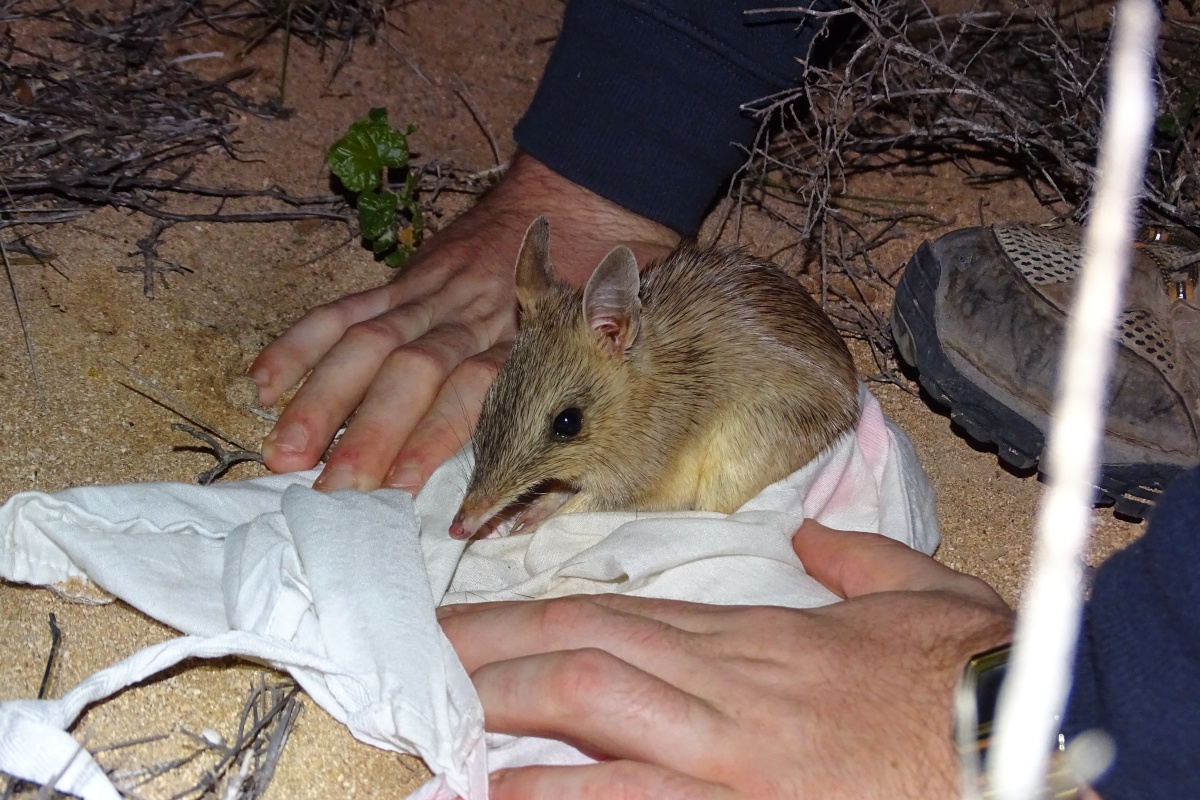
Shark Bay bandicoot. Photo by Saul Cowen/DBCA
Greater stick nest rat. Photo by Kim Branch/DBCA