H5 bird flu (specifically high pathogenicity avian influenza H5N1strain 2.3.4.4b) is a serious and highly contagious strain of avian influenza; an infectious zoonotic viral disease that has spread quickly across the world.
Australia confirmed its first case of H5 bird flu in a vagrant migratory seabird (a brown skua) near Esperance on the WA south coast on 20 June 2026.
Until now Australia was the only continent free from this strain.
The arrival of the virus through migratory wild birds has been a recognised risk since this strain began to rapidly spread across the globe, and Australia has been preparing.
WA's Department of Primary Industries and Regional Development is leading the State response working in collaboration with the Department of Biodiversity, Conservation and Attractions and the Department of Health, with national coordination led by the Australian Government Department of Agriculture, Fisheries and Forestry.
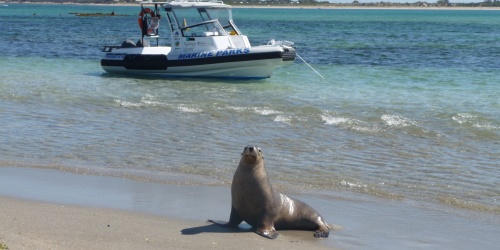
H5 bird flu continues to spread globally, affecting more than 560 bird species and over 100 mammal species, including dairy cattle, cats, goats, alpacas, pigs and wild mammals such as seals and sea lions, and in a small number of cases, humans. Most infected people had close contact with infected animals and contaminated environments.
Australia maintains strong surveillance, testing and preparedness measures to detect and respond quickly to any suspected cases.
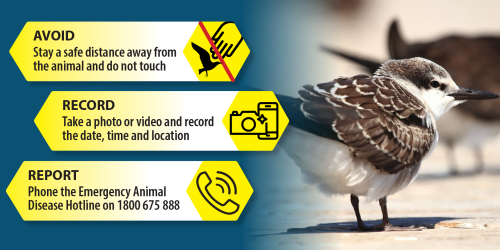
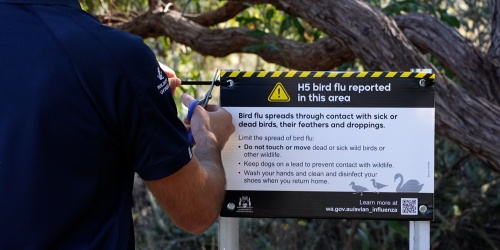
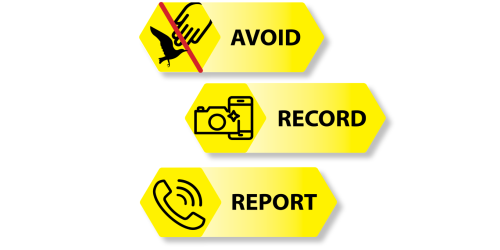
Anyone who sees sick or dead birds, marine mammals or other wildlife, should report it to the Emergency Animal Disease hotline on 1800 675 888. Avoid contact with the animals and take photos or video if possible and note the location to assist with the report.
For more information on H5 bird flu in Australia, visit birdflu.gov.au