In Western Australia, under the Emergency Management Act 2005, the Department of Primary Industries and Regional Development (DPIRD) is the hazard management agency for animal disease emergencies, including H5 bird flu.
DPIRD is leading the State response working in collaboration with Department of Biodiversity, Conservation and Attractions (DBCA) and the Department of Health, with national coordination led by the Australian Government Department of Agriculture, Fisheries and Forestry.
DPIRD is leading response activities on the ground, including enhanced surveillance, working closely with industry, veterinarians, wildlife carers and local communities.
The Australian Government has worked with state and territory governments to strengthen and accelerate preparedness and response planning for priority wildlife species and locations as a key aspect of Australia’s national preparedness for H5 avian influenza (bird flu).
Read the Statement on the sharing of H5 bird flu site and species preparedness plans - DCCEEW.
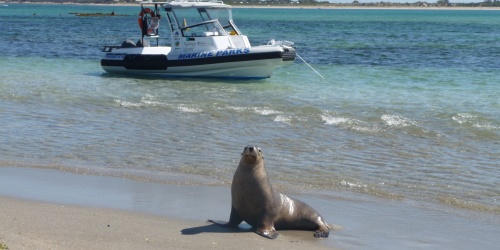
DCCEEW funding also supports the implementation of resilience and threat mitigation measures for vulnerable species and sites including for Australian sea lions, western ground parrots, black cockatoos, Roebuck Bay, Beacon and Gun Islands, and Adele Island in the Kimberley.
To learn more about how DCCEEW is funding preparedness in Australia visit Funding preparedness - DCCEEW
The Zoo and Aquarium Association Australasia as part of the Australian Government’s Captive Protected Species Preparedness grant, has funded a boost to biosecurity in zoo and wildlife facilities, to safeguard our vulnerable species in captivity.
What DBCA is doing
DBCA is represented on the National Biosecurity Committee and the H5 bird flu Biosecurity Senior Officers Group Preparedness Working Group and is working closely with DPIRD and the WA Department of Health to ensure a One Health approach across the agriculture, environment and health sectors.
DBCA received $4.485 million from the WA Government to support preparedness activities ahead of a potential incursion of H5 bird flu in Western Australia.
DBCA has undertaken a range of preparedness and response activities including:
- Building awareness and preparedness of H5 bird flu amongst the wildlife sector and other key stakeholders.
- Identifying high-risk species and locations with a focus on preparedness actions, including for captive populations at Perth Zoo.
- Participating in bird flu surveillance under the guidance of DPIRD.
- Monitoring incidents of sick or dead wild birds or mammals and assisting DPIRD with H5 exclusion testing where required.
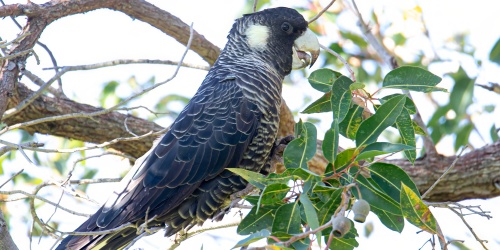
- Implementing resilience and threat mitigation measures for vulnerable species and sites including for Australian sea lions, western ground parrots, black cockatoos.
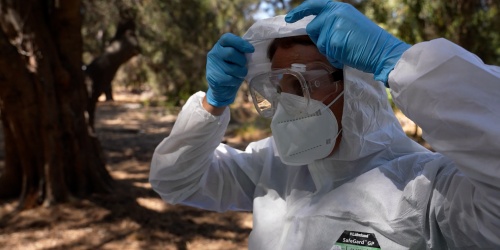
- Major DBCA locations have been supplied with personal protective equipment (PPE), and a stockpile of PPE has been acquired to support biosecurity measures. PPE will be available for DBCA staff and can be provided to wildlife rehabilitators on a needs basis.
- DBCA is continuing to roll out biosecurity training for staff across the State. Staff from Kings Park, Perth Zoo, Rottnest Island as well as Parks and Wildlife Service staff in Perth, Kimberley, Pilbara and South Coast have received in-person training focused on H5 bird flu preparedness and response.