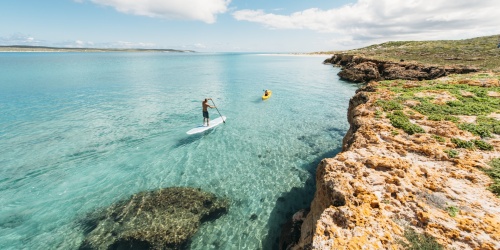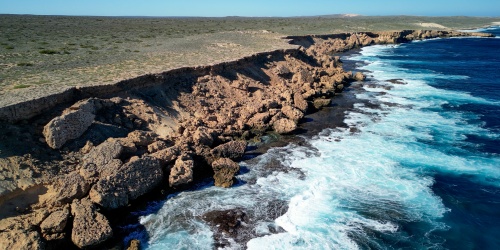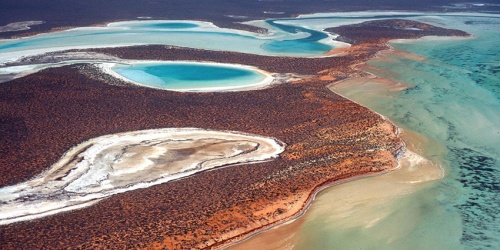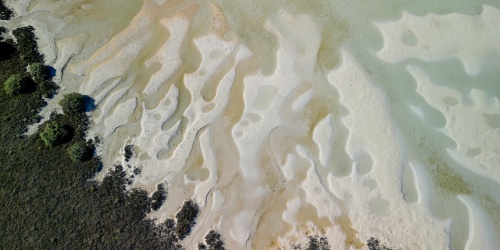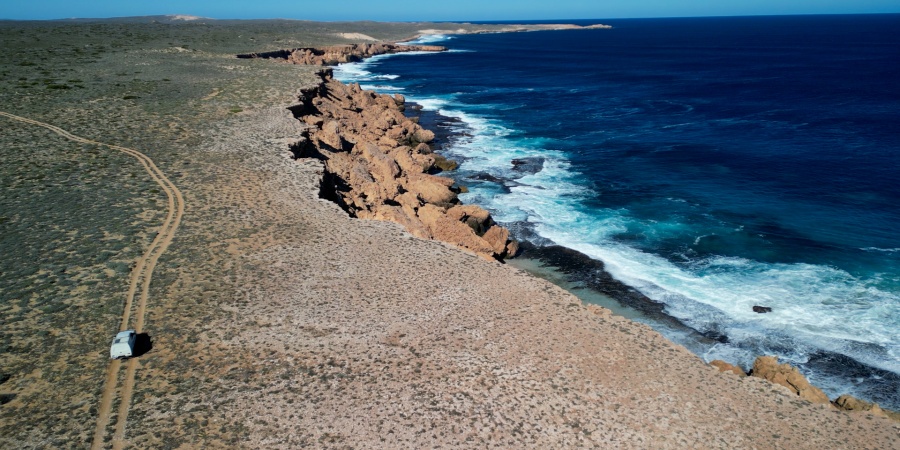
Dirk Hartog Island. Photo by Samille Mitchell/DBCA
The Return to 1616 Ecological Restoration Project is the largest ecological restoration project in the southern hemisphere. It focuses on removing key threats, restoring habitat and re establishing native animals that once lived on Dirk Hartog Island.
The project aims to restore the landscapes and ecosystems of the island to reflect conditions at the time of Dutch navigator Dirk Hartog’s arrival in 1616.
The Return to 1616 Ecological Restoration Project is delivered by the Department of Biodiversity, Conservation and Attractions with funding from the Gorgon Barrow Island Net Conservation Benefits Fund.
The history of Wirruwana
Dirk Hartog Island is known to the Malgana Traditional Owners as Wirruwana. It covers more than 63,300 hectares, making it the largest island in Western Australia. It forms part of the Shark Bay World Heritage Area.
Wirruwana has a long and varied history. Since the 1800s, it has supported industries including whaling, guano collection, pearling and pastoral activities.
In 2009, the majority of the island was declared a national park.
Before European arrival, Wirruwana supported at least 11 native land dwelling mammal species. Over the past 150 years, the introduction of sheep, goats and feral cats dramatically changed the island’s ecology. This has led to the decline and disappearance of many species and caused extensive damage to native vegetation and habitat.
Reviving Wirruwana’s landscapes and wildlife
The Return to 1616 project is being completed in two stages.
Stage 1
The first stage of the project, delivered between 2012 and 2017, focused on removing key threats to the island's native ecosystems.
Major achievements included:
- Removal of all sheep and goats, eliminating grazing pressure on native vegetation.
- Confirmation that black rats were absent from the island.
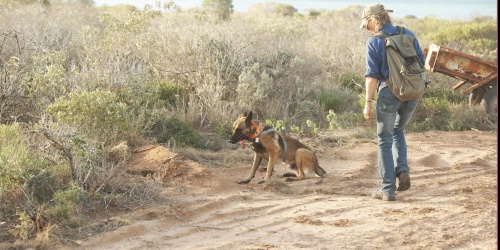
- Successful eradication of feral cats, reducing predation on native wildlife.
- Strengthened biosecurity measures to prevent the introduction of invasive pests and animals.
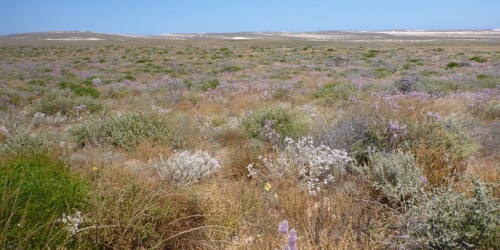
With grazing pressure removed and predators gone, vegetation and ecological processes have begun to recover across the island.
Stage 2
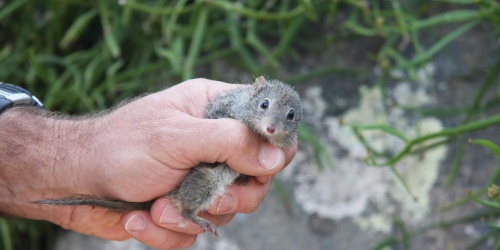
The second stage of the project began in 2017. It aims to return 11 native animal species to Wirruwana.
As of 2025, nine species have been successfully returned including:
- banded hare wallaby
- rufous hare wallaby
- Shark Bay bandicoot
- dibbler
- greater stick nest rat
- Shark Bay mouse
- western grasswren
- brush tailed mulgara
- woylie
The dibbler is planned to be reintroduced by 2030, and the chuditch after this.
Once these species are returned, Wirruwana will support one of the most diverse native mammal communities of any island in Western Australia. This will strengthen its World Heritage values and secure species that are now restricted to offshore islands or fenced conservation areas.
Downloads