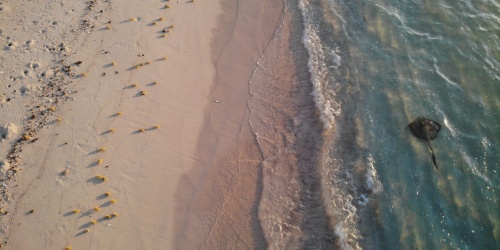
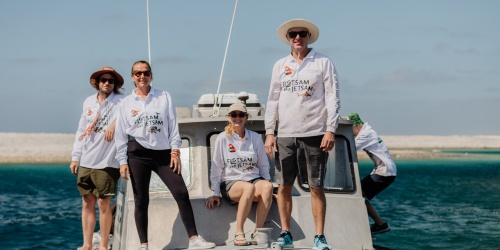
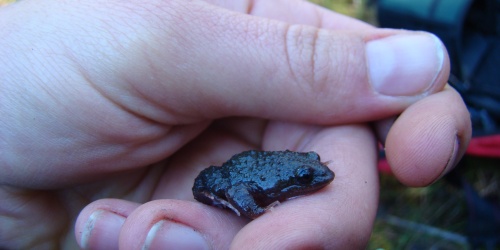
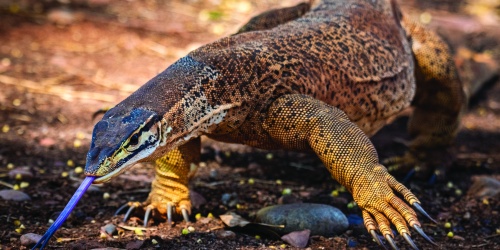
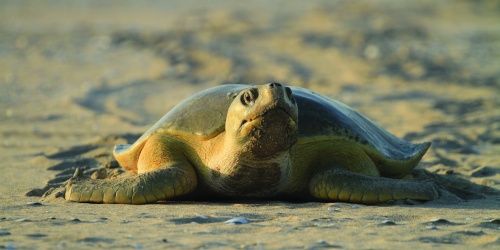
Dr Tony Tucker came from a generation of scientists that pioneered conservation research. Over time, his dedicated and thorough brand of science made him a leader and a mentor amongst his fellow scientists. Tony’s discoveries and contributions about freshwater crocodiles, freshwater turtles and marine turtles are globally recognised, and have driven positive conservation outcomes for freshwater and marine reptiles across the world. 

4 minute read

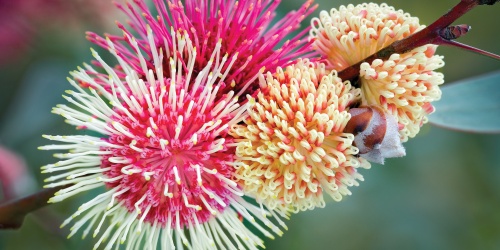
While fellow Proteaceae family members Grevillea and Banksia are well known and popular, the humble Hakea with its 180 species (and subspecies) holds its own as an impressive genus in this large family. 

3 minute read

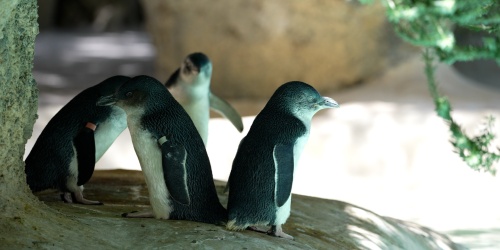
Students from John Curtin College of the Arts visited Perth Zoo during SeaWeek. Jasmine Browning and her friends heard from scientists and zoologists about the issues affecting WA’s marine environment and wildlife. 

4 minute read

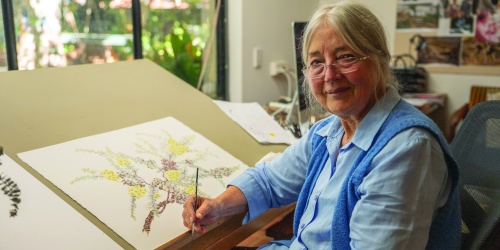
After discovering a talent for drawing at a young age, Philippa Nikulinsky has been enchanted by Western Australia’s native species and has spent a lifetime illustrating them along with her husband and fellow artist, Alex. Philippa’s artwork graced the covers of LANDSCOPE magazine for 22 years and earned her an Order of Australia medal. 

4 minute read

The beauty and popularity of the Swan Canning Riverpark mask the challenges faced by this iconic symbol of Perth. The health of the rivers evokes passionate advocacy from scientists, conservationists, wildlife carers and ecologists who all came together to raise public awareness of the river system at the second annual River Guardians Festival.

5 minute read

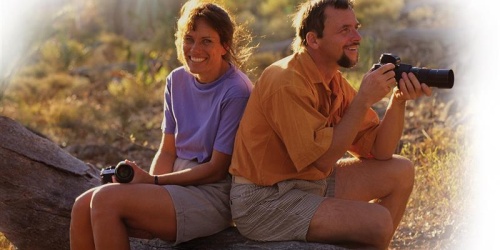
After fleeing Czechoslovakia in the 1970s, Jiri and Marie Lochman sought refuge in Australia and were instantly enchanted by the fascinating landscape and its intriguing wildlife. After saving enough for a camera, their creative instincts took over and they forged a path for themselves as successful nature photographers. LANDSCOPE magazine has been lucky enough to feature their photos in almost every edition since 1985.

6 minute read

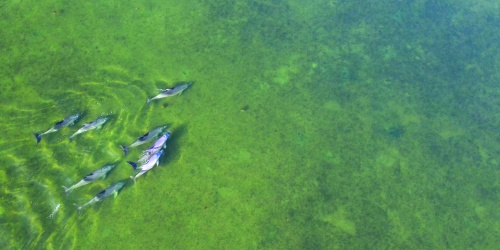
The beauty of Western Australia’s marine areas cannot be understated. The tropical waters in the north to the cool, clear waters of the south-west are bursting with biodiversity that draws visitors from around the world. Establishing how many people visit WA’s marine areas, as well as what activities these visitors get up to, requires a combination of people power and technological solutions. 

6 minute read

After taking up the hobby of nature photography during the COVID-19 pandemic, amateur birder Beverley Oliver braved the rugged roads near Cocklebiddy to participate in a unique photography course at the famous Eyre Bird Observatory.  

4 minute read

Mount Frankland National Park is located 28 kilometres north-east of Walpole in Australia’s south-west. The park covers 31,000 hectares of tingle, jarrah and karri forest as well as the impressive Mount Frankland Wilderness Lookout. 

2 minute read

In 2019, an ambitious target was set. Five million hectares of new conservation areas would be created across Western Australia—with the support of Traditional Owners—to enable the potential of a truly significant conservation outcome. 

5 minute read

While human impacts have changed the landscape in some parts of Western Australia, population numbers of the iconic pink and grey galah (Eolophus roseicapilla) seem to be benefitting from the changes.

5 minute read

Once thought to be extinct, this wiry entangled shrub certainly lives up to its name—tangle wattle (Acacia volubilis)—with volubilis, meaning twining, in reference to the twisted, tangled and twining habit of the plant. Scientists are taking a closer look at the species that is only found in a small area in the Wheatbelt. 

5 minute read

The incredible beauty of Western Australia’s natural areas has been captured in high resolution with more than 980 entries as part of the WA Parks Foundation’s Wild Wonders of Western Australia photo competition. 

2 minute read

In recent years, the ‘save the bees’ movement has gained remarkable traction, encouraging people to think beyond the European honey bee (Apis mellifera). Murdoch University PhD candidate Freya Jackson shines a light on the importance of native pollinators and their surprising underground habits. 

3 minute read

Scent detection dogs have proven to be useful in many fields—sniffing out illegal substances and smuggled animals at airports, helping rescuers search for survivors among the rubble of an earthquake, assisting with medical research in detecting certain cancers, and even helping commercial pest controllers to find bed bugs. Now, following successful trials, dogs will be used in WA and Australia as part of an innovative Saving Native Species Program to detect a ‘biological bulldozer’— Phytophthora cinnamomi. 

5 minute read

Everyone is welcome in the new South Coast Marine Park, which protects southern right whale nurseries, kelp forests, vulnerable seal and sea lion colonies, and precious reefs while maintaining opportunities for recreational and commercial fishing. 

3 minute read

It may be tiny, but the polyphagous shot-hole borer (Euwallacea fornicatus) is having a big impact on Perth’s urban tree canopy. First detected in a suburban backyard in East Fremantle, this wood-boring beetle has since infested more than 3700 trees. 

7 minute read

Nestled between the amazing Southern Ocean, the rich karri forests around Denmark and Pemberton, and the vibrant Golden Outback, ‘Mountain Country’ is one of Western Australia’s unique wilderness hotspots. Visitors can wander in the wild of Mountain Country through the rugged Stirling Range National Park, the ancient Porongurup National Park, and the vibrant surrounding towns in the Great Southern region of WA. 

7 minute read