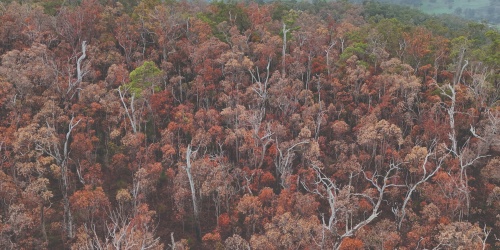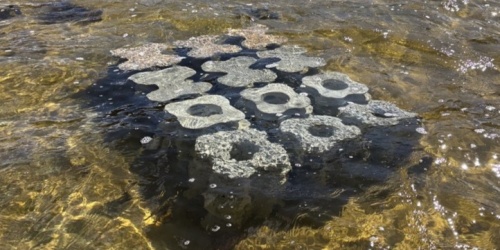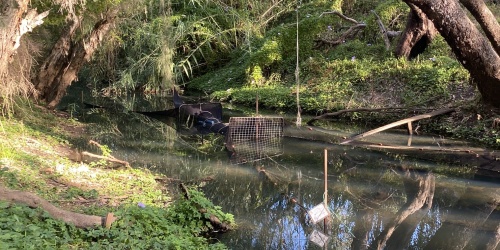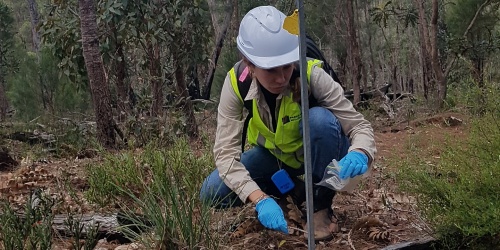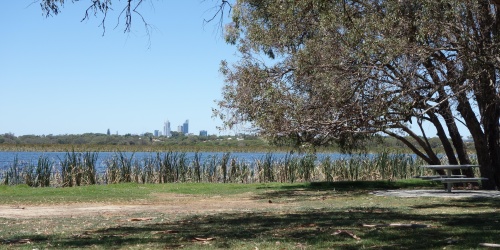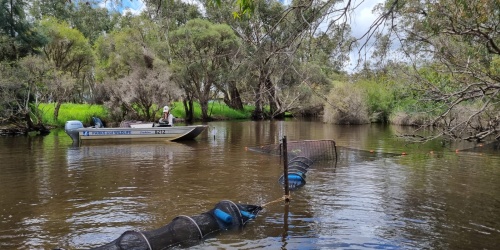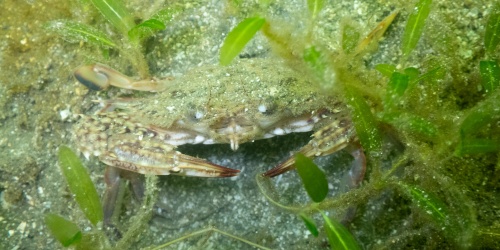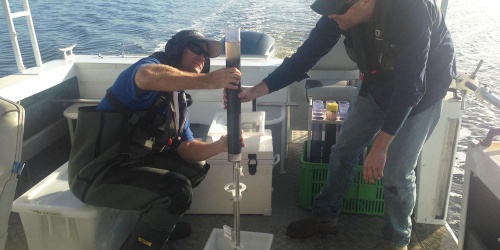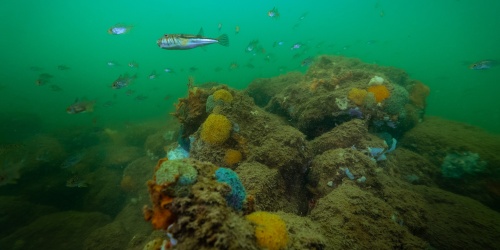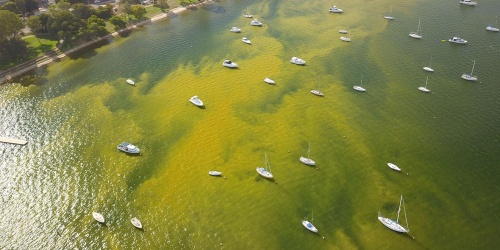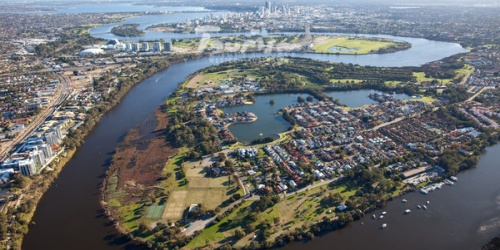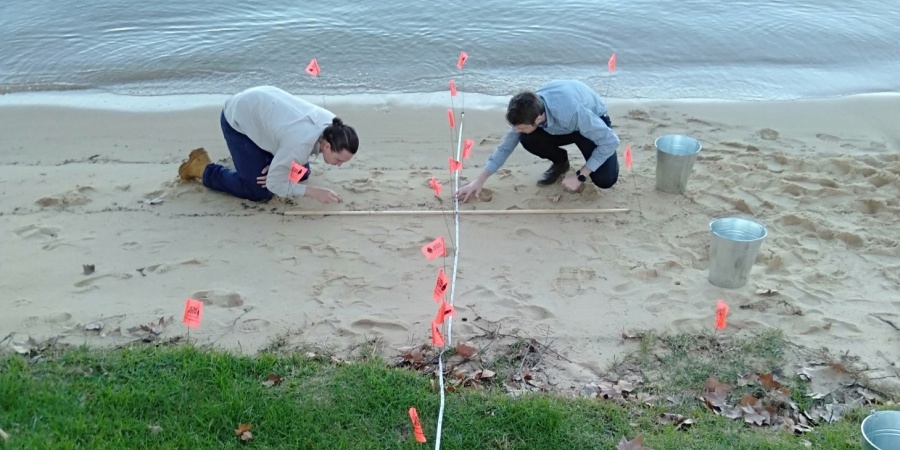
Surveying a beach for plastic contamination. Photo - DBCA
Program: Rivers and Estuaries Science
Status: Active
About the research project
The Swan Canning and Peel Harvey estuaries face multiple anthropogenic pressures such as nutrient enrichment, rising salinity and temperature, and contamination from metals, pesticides, hydrocarbons and plastics. Despite this, they remain ecologically productive and biodiverse systems. As some urban estuaries are known to have elevated risks of accumulating plastic debris, understanding sources, distribution and impacts is critical for effective estuary management.
The State Government has prioritised action on single-use plastics and undertaking plastics research is a core strategy of Western Australia’s Plan for Plastics, a deliverable of the Waste Authority Business and Action Plan. This collaborative project between the Department of Biodiversity, Conservation and Attractions and the Department of Water and Environmental Regulation builds on a 2021 baseline assessment of plastic pollution in the Swan Canning Estuary (Novak, 2023). The initiative is part of the Government’s Kep Katitjin-Gabi Kaadadjan (Waterwise Action Plan 3) to establish leading waterwise communities for Boorloo (Perth) and Bindjareb (Peel) by 2030.
The project will provide updated seasonal contamination data, assess how effective the plastic bans have been by determining any change in abundance of banned items, and provide a novel baseline of plastic pollution for the Peel Harvey Estuary. Together, this work will improve understanding of plastic pollution across Western Australia’s major urban waterways.
Management outcomes
By determining seasonal trends in plastic abundance, distribution and composition, this project will deliver clear, evidence-based information to support policy and management responses to plastic pollution. It will assess the effectiveness of the WA Plan for Plastics in reducing shoreline contamination in the Swan Canning Estuary.
This project will also determine baseline contamination levels in the Peel Harvey Estuary, which can then be compared to the Swan Canning Estuary to further examine regional pressures and potential mitigation actions.
Progress
Seasonal field sampling has been successfully completed with more than 30,000 pieces of debris removed from the environment. Preliminary analysis, following winter and spring 2025 sampling, showed considerably more plastic debris at Swan-Canning sites compared with Peel and Harvey Estuary sites. A final report is in development, which will provide the summary outcomes of this work as well as identify opportunities for improved management and community engagement.
Project Team
| Dr Peter Novak | Dr Thomas Crutchett |
| Senior Environmental Officer, Rivers and Estuaries Science | Environmental Officer, Rivers and Estuaries Science |
Collaborators
Department of Water and Environmental Regulation
Department of Biodiversity, Conservation and Attractions, Swan Coastal District - Mandurah Work Centre
Contact
Dr Peter Novak
Senior Environmental Officer
peter.novak@dbca.wa.gov.au
Related projects
EXT-2020-26 Swan Canning Estuary microplastics and plastics survey
SP-2020-26 Investigations of contaminants in the Swan Canning