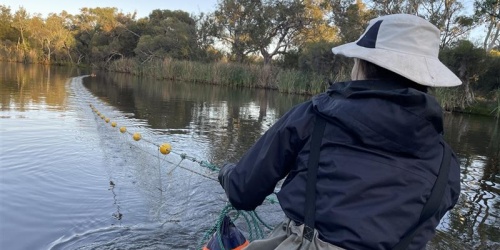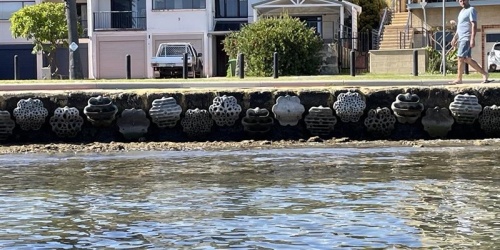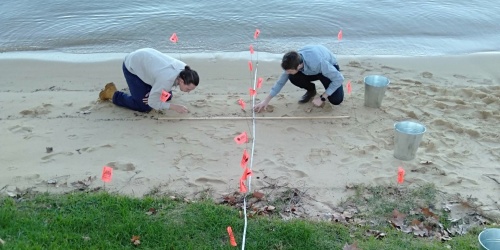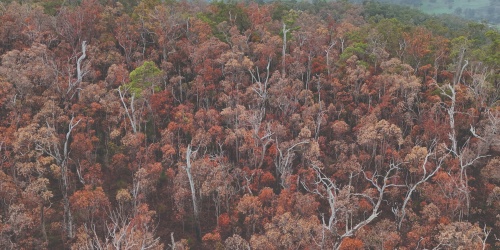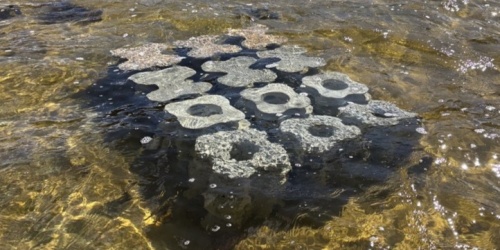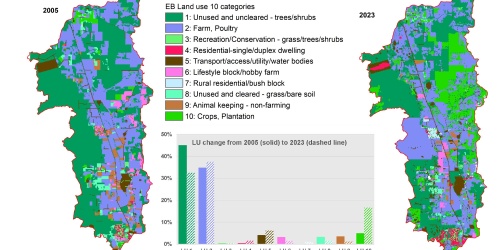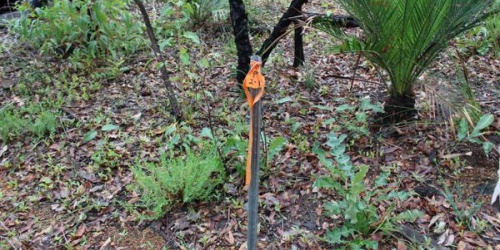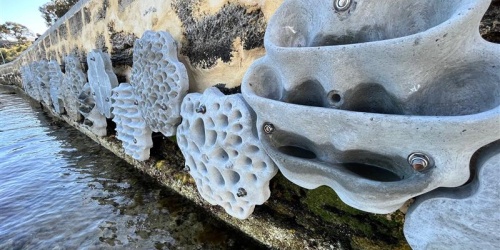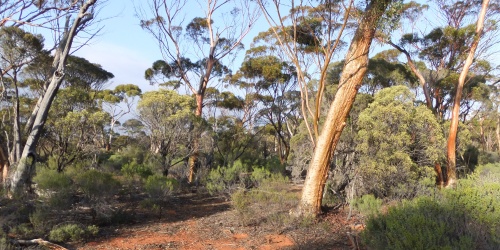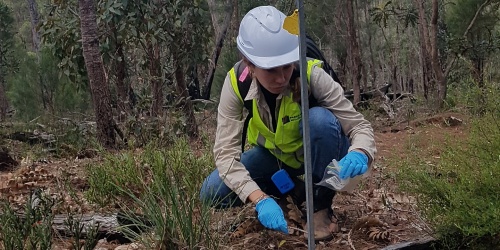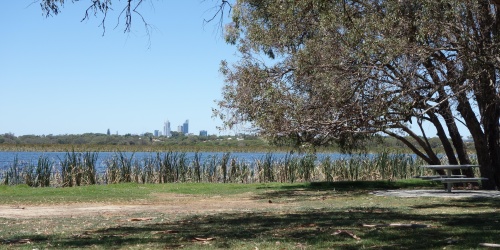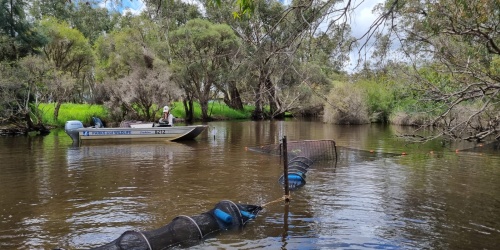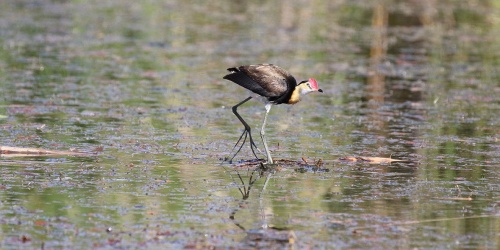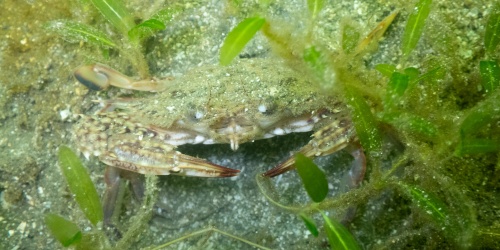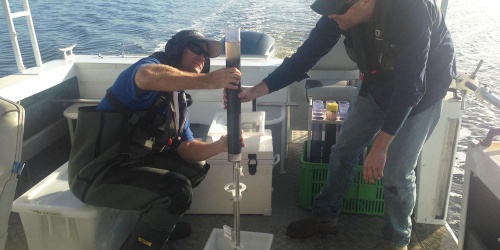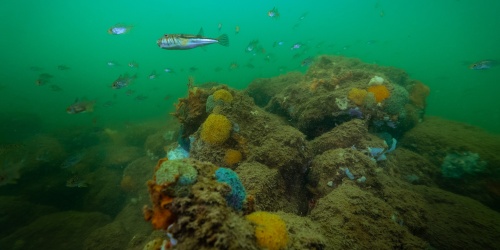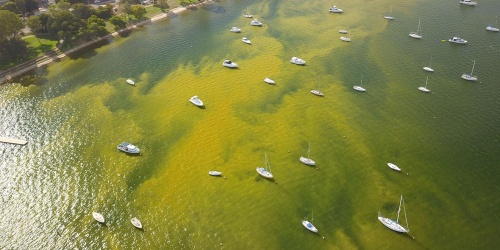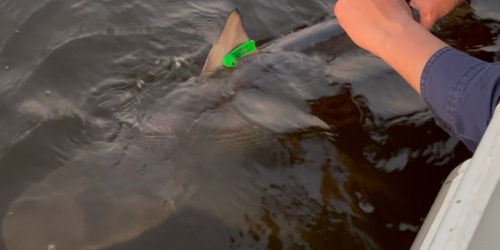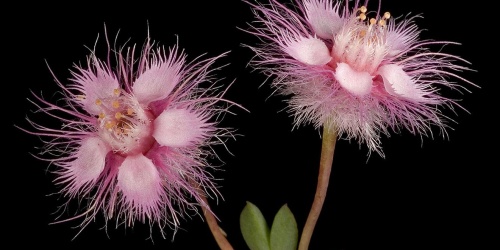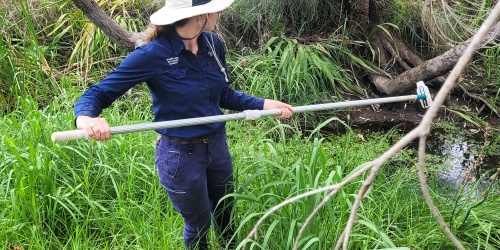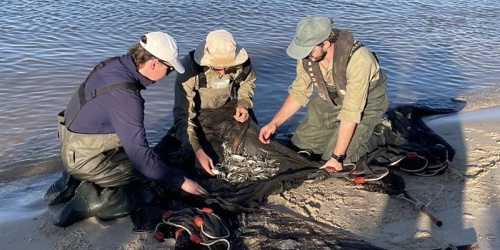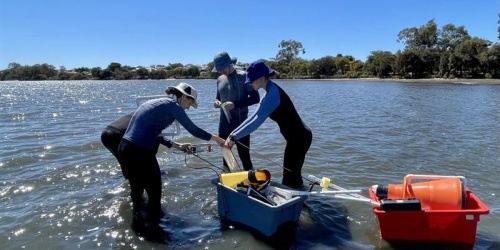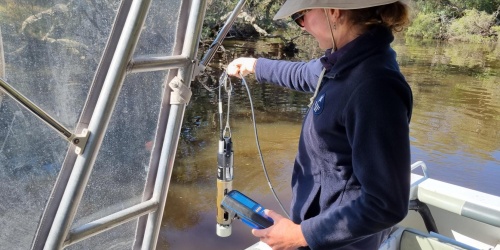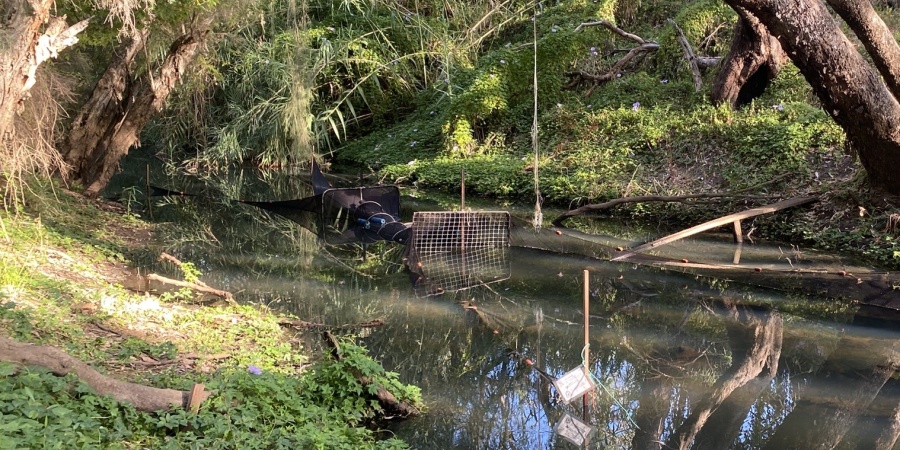
A baseline survey being conducted in the Canning River. Photo - Michelle VanCompernolle/DBCA
Program: Rivers and Estuaries Science
Status: Active
About the research project
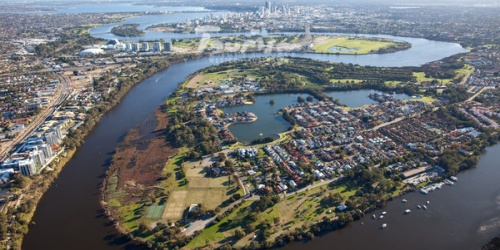
This project will study the ecological condition and values of 10 river pools in Djarlgarro (Canning, Southern and Wungong). Based on those results, one pool will be selected to test how management interventions – such as sediment removal and habitat enhancement – affect ecological condition and values.
This project will review previous management approaches and evaluate the current biodiversity values of the rivers to contribute to and help plan for intervention and adaptive management approaches that will sustain and improve biodiversity.
Specifically, this study aims to:
1) Document values and condition of a selection of riverine pools in Djarlgarro (Canning, Southern and Wungong rivers)
2) Undertake a feasibility study, site selection and pilot trial of sediment and in-stream habitat intervention (where these are deemed to be appropriate)
3) Evaluate pilot trial of intervention works
The effectiveness of the intervention works will be evaluated by comparing the ecological and biophysical conditions post-works to the baseline data collected in aim 1, as well as a suitable reference site/s, following the Before-After-Control-Intervention (BACI) approach.
Management outcomes
- Improved knowledge of the biodiversity values, water quality and sediment composition in river pools in the Canning catchment
- Better understanding of the effectiveness of intervention to address sediment and in-stream habitat by improving biophysical conditions and ecological outcomes (aquatic fauna communities and threatened species) for riverine pools
- Guidance on in-stream management to improve and preserve the habitat of endemic and native aquatic fauna, including threatened and locally important species (Carter's freshwater mussel, freshwater cobbler, rakali)
- Knowledge transfer to key stakeholders throughout the greater Perth region.
Progress
- A preliminary desktop investigation of >30 potential pool sites identified 10 pools for ecological survey.
- A 12-month baseline survey of the 10 sites is now complete. For each site, surveys involved: fyke netting and box trapping for fish, crayfish and turtles; water quality surveys for nutrient chemistry and physical parameters; hydrology surveys to quantify river discharge; a mussel survey to characterise the populations of the threatened Carter's mussel (Westralunio carteri); in-river habitat assessment; sediment chemistry at three to four sites within each pool; seasonal macroinvertebrate sampling; and eDNA surveys targeting vertebrates, crustaceans, plants, fungi and microbes.
- Baseline surveys found over 13,000 native fish and 4000 marron and gilgies, in addition to removing 12,000 feral and introduced fish and crayfish from the system, as well as abundant mussel and macroinvertebrate populations.
- Based on an agreed set of criteria, 10 pools sites were reviewed and assessed for potential for restoration activities. This resulted in three sites being shortlisted to progress to concept design for sediment intervention and habitat enhancement.
Future directions
- Data from the ecological and hydrological surveys will be analysed to: 1) characterise the flora and fauna communities of the pools; 2) investigate how biotic and abiotic factors might influence the species assemblage and health in the pools; and 3) identify the key factors affecting the ecological values of the pools. This information will be documented in a report provided to key stakeholders to inform future management of the system.
- Continue working with waterway managers and Whadjuk cultural advisors to understand and incorporate cultural heritage ideas and vision for the three sites and support the progress of interventions.
- Ecological surveys will be repeated at the intervention site/s and reference sites to evaluate the effect of the intervention on river functions and values.
Project team
| Suzanne Thompson | Michelle VanCompernolle | Kerry Trayler | Peter Novak |
| Senior Environmental Officer, Rivers and Estuaries Science | Environmental Officer, Rivers and Estuaries Science | Principal Scientist, Rivers and Estuaries Science | Environmental Officer, Rivers and Estuaries Science |
| Amie Gillies | Michelle Donnelly | Tom Ryan | |
| Environmental Officer, Rivers and Estuaries Science | Planning and Projects Coordinator, Conservation and Ecosystem Management Division | Murdoch University |
Collaborators
Swan Canning Waterways Branch
Department of Primary Industries and Regional Development (DPIRD)
The University of Western Australia – Resilient Landscapes Hub
Murdoch University
This project is part of the broader Cleaning up the Canning initiative, funded by the Australian Government’s Urban Rivers and Catchments Program, with the support of the Department of Biodiversity, Conservation and Attractions.
Contact
Suzanne Thompson
Senior Environmental Officer
suzanne.thompson@dbca.wa.gov.au
Related projects
SP-2024-5 Kent St Weir Pool – A case study in maximising environmental outcomes through better adaptive management