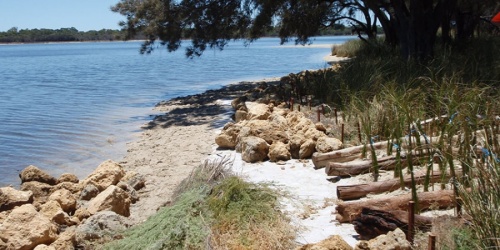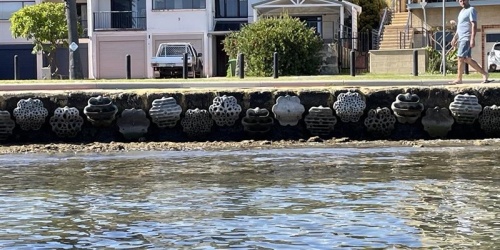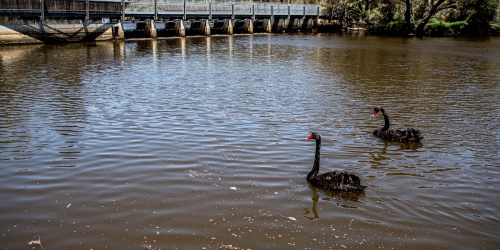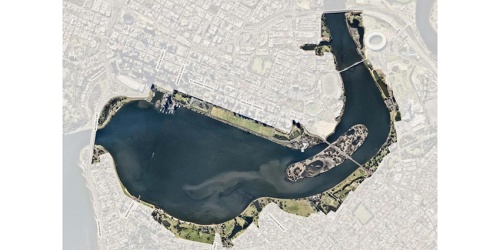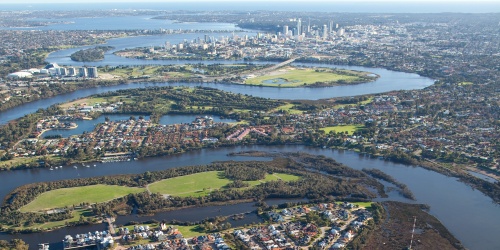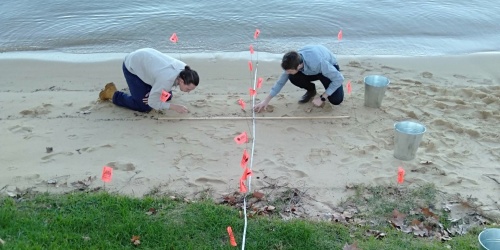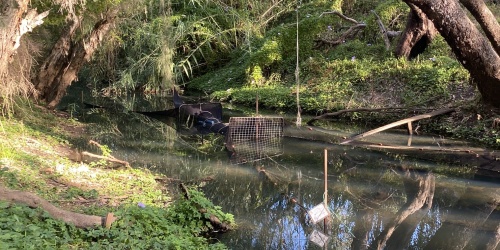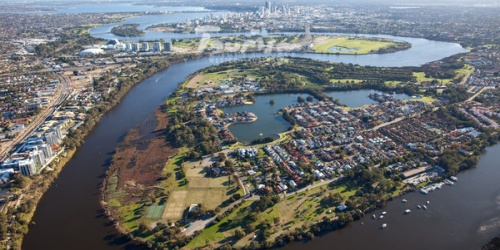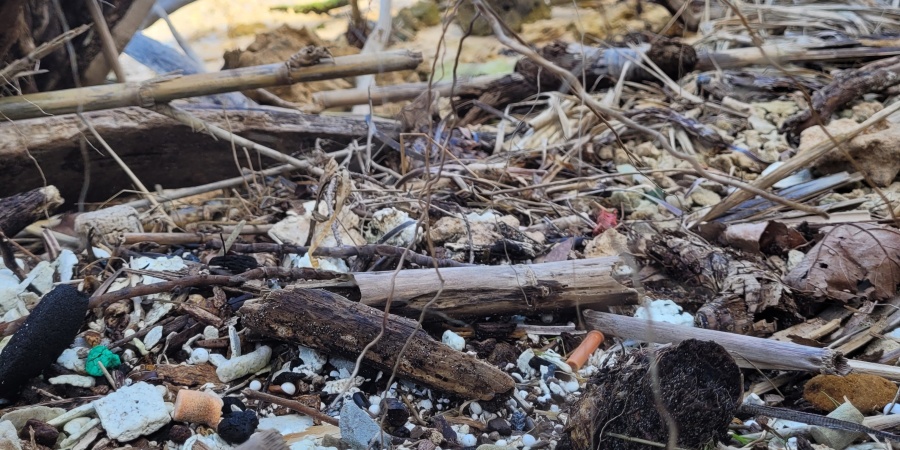
Small pieces of plastic and polystyrene on the riverbank of the Swan Canning Riverpark. Photo - DBCA
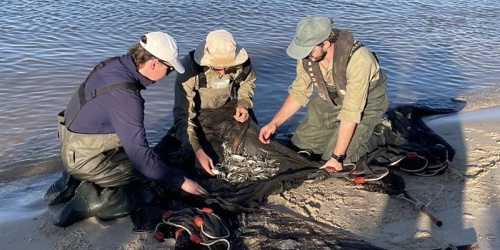
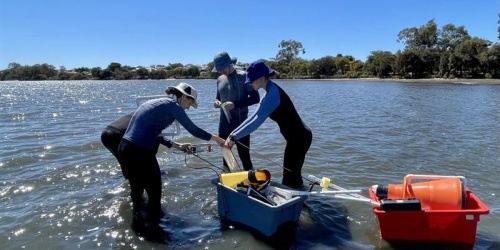
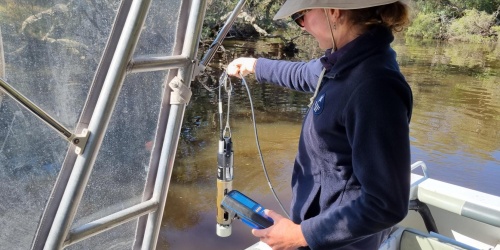
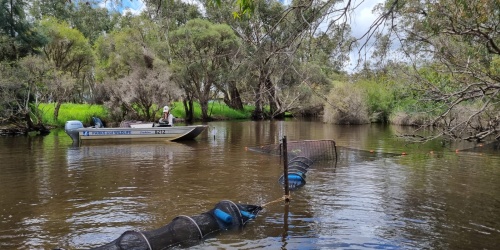
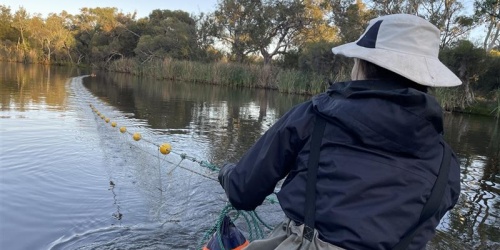
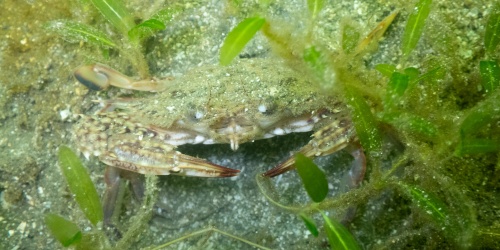
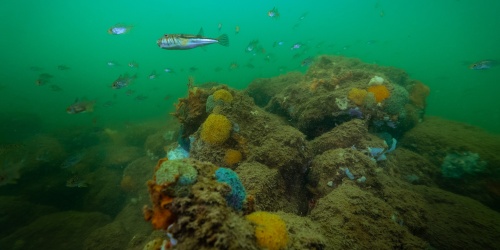
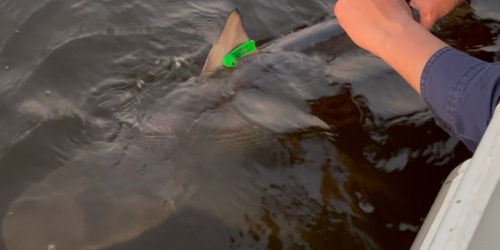
DBCA's Rivers and Estuaries Science Program has a key role in monitoring, evaluating and reporting on the environmental health of the Swan Canning Estuary and its catchment. Environmental monitoring is focused on water quality, biological indicators (fish communities and seagrass) and contaminants (including plastic).
Monitoring is important. It enables DBCA to:
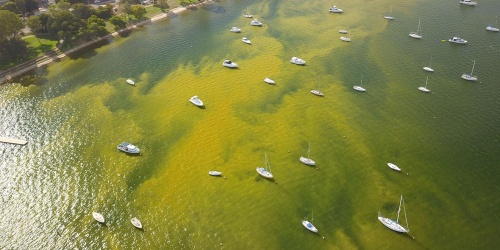
- monitor the extent and severity of low oxygen and algal blooms
- identify changing conditions and inform the community if risks occur
- guide management decisions and incident response
- track trends, measure compliance and determine the effectiveness of estuary and catchment management measures
- inform and improve estuarine and catchment models
- understand the condition of key assets
Contaminants in the Swan Canning Riverpark
DBCA investigates the type, distribution, and concentration of non-nutrient contamination in the Swan Canning Estuary. Non-nutrient contaminants include metals, per- and poly-fluoroalkyl substances (PFAS), pesticides, petroleum hydrocarbons and polychlorinated biphenyls. These are typically the result of historic and current agricultural, urban and industrial activities. They can enter the Swan Canning Estuary system through drains, tributaries, groundwater, in-river activities such as recreational boating and the disturbance of acid sulphate soils.
DBCA also investigates plastic pollution which can enter the waterway through the drainage network or tidal movement, as well as from human activities along the shoreline and through degradation of plastic infrastructure.
Contaminants studies
Periodic surveys of the waterway enable the Department to track trends over time. Focused investigations are undertaken when priorities are identified and resources provisioned to target a contaminant (or group of contaminants) of concern. These include investigations of plastic pollution. Reports are produced in line with the requirements of the investigation. Recent reports are available below.
Latest contaminant studies