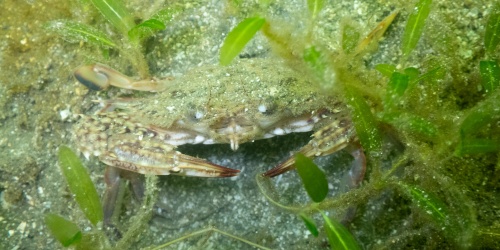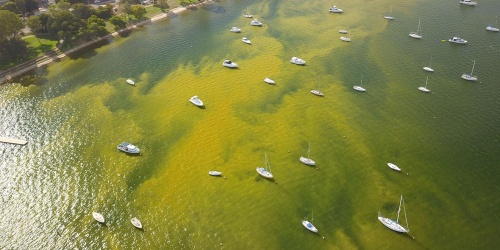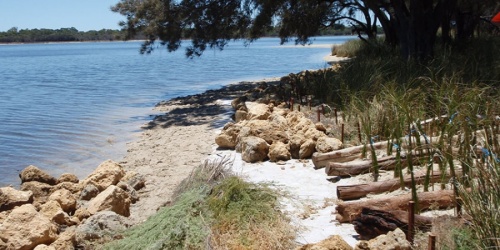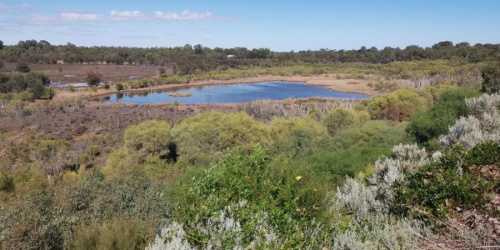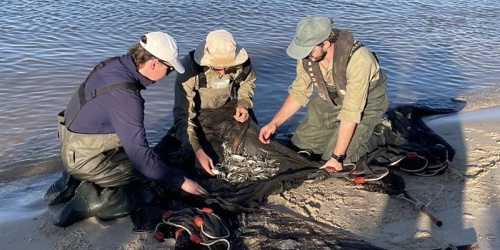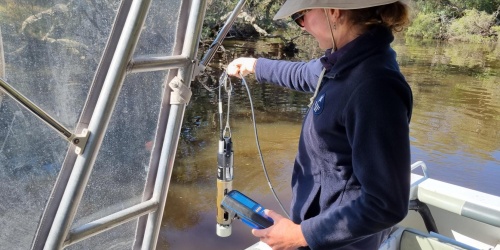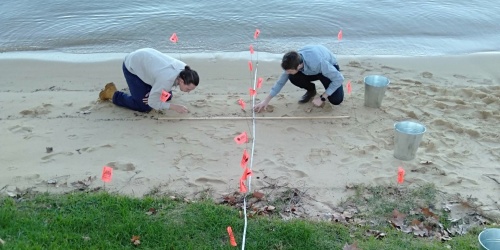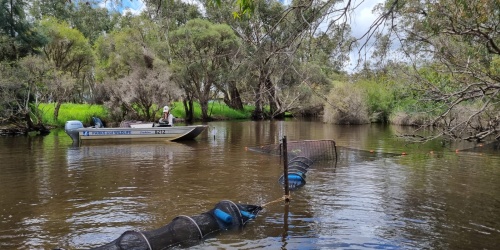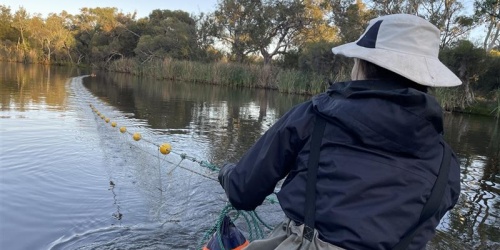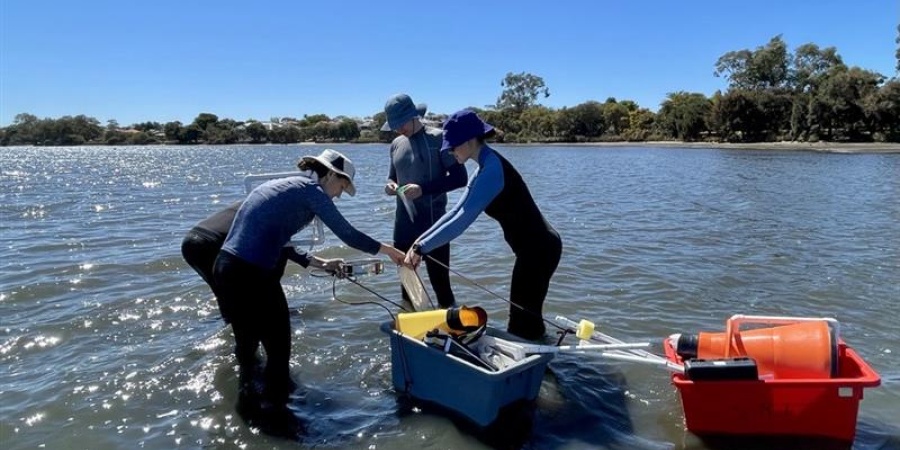
Scientists monitoring seagrass in the Swan Canning Riverpark. Photo - Kerry Trayler/DBCA
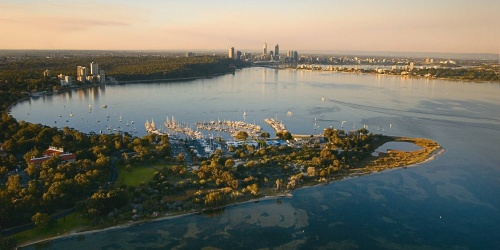
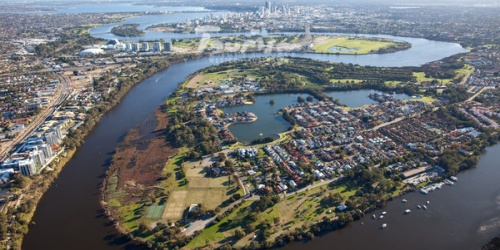
DBCA's Rivers and Estuaries Science Program has a key role in monitoring, evaluating and reporting on the environmental health of the Swan Canning Estuary and its catchment. Environmental monitoring is focused on biological indicators (seagrass and fish communities), water quality, and contaminants (including plastic).
Monitoring is important. It enables DBCA to:
- recognise changes in seagrass condition, cover, and distribution
- identify priority areas for protection or rehabilitation
- track long term trends in changing climate conditions
- detect early signs of stress from nutrients, turbidity, algal blooms, and pollutants
- evaluate the effectiveness of management interventions over time
- increase public awareness of seagrass values and the importance of estuarine health
Seagrass in the Swan Canning Estuary
As primary producers, or the base of the food chain, seagrass meadows in the Swan Canning Estuary are essential for supporting the health of the estuarine ecosystem by performing many important roles.
Roles that seagrass play in the estuarine ecosystem include:
- cycling of nutrients, which helps the water stay clean and reduces the impact of nutrient pollution
- stabilising the shoreline sediment, helping to prevent erosion and sedimentation
- providing a home or habitat for diverse and productive faunal groups
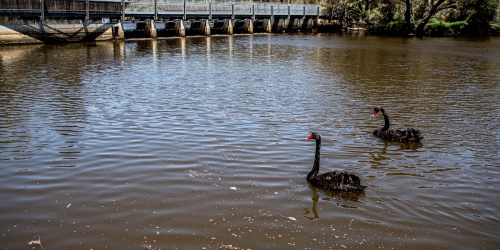
- providing an important food source for animals such as Western Australia's iconic black swan
- maintaining oxygen levels at the sediment/water interface
They are also recognised as an indicator of ecosystem health due to how they respond to changes in their environment. A loss of seagrass may represent degraded conditions, whereas an increase in seagrass growth may indicate an overall healthy estuary ecosystem.
To learn more, see the LANDSCOPE article 'Spotlight on seagrass in the Swan-Canning Estuary'.
Routine seagrass monitoring
DBCA's seagrass monitoring project commenced in 2011, with monitoring occurring annually between November and March at six locations that represent the varied environmental conditions found across the estuary. Assessed in this project are the five species of seagrass commonly found in the Swan Canning Estuary, with paddleweed (Halophila ovalis) being the dominant species. Seagrass parameters measured include presence/absence, percentage of cover, reproduction, total biomass, above/below ground biomass ratio, and leaf density. Seagrass performance is evaluated annually, with an in-depth analyses of seagrass distribution and pressures undertaken every five years.
The monitoring is generously supported by DBCA volunteers. To enquire about volunteering, please email REScience@dbca.wa.gov.au with the email header "Seagrass volunteering".
Downloads